
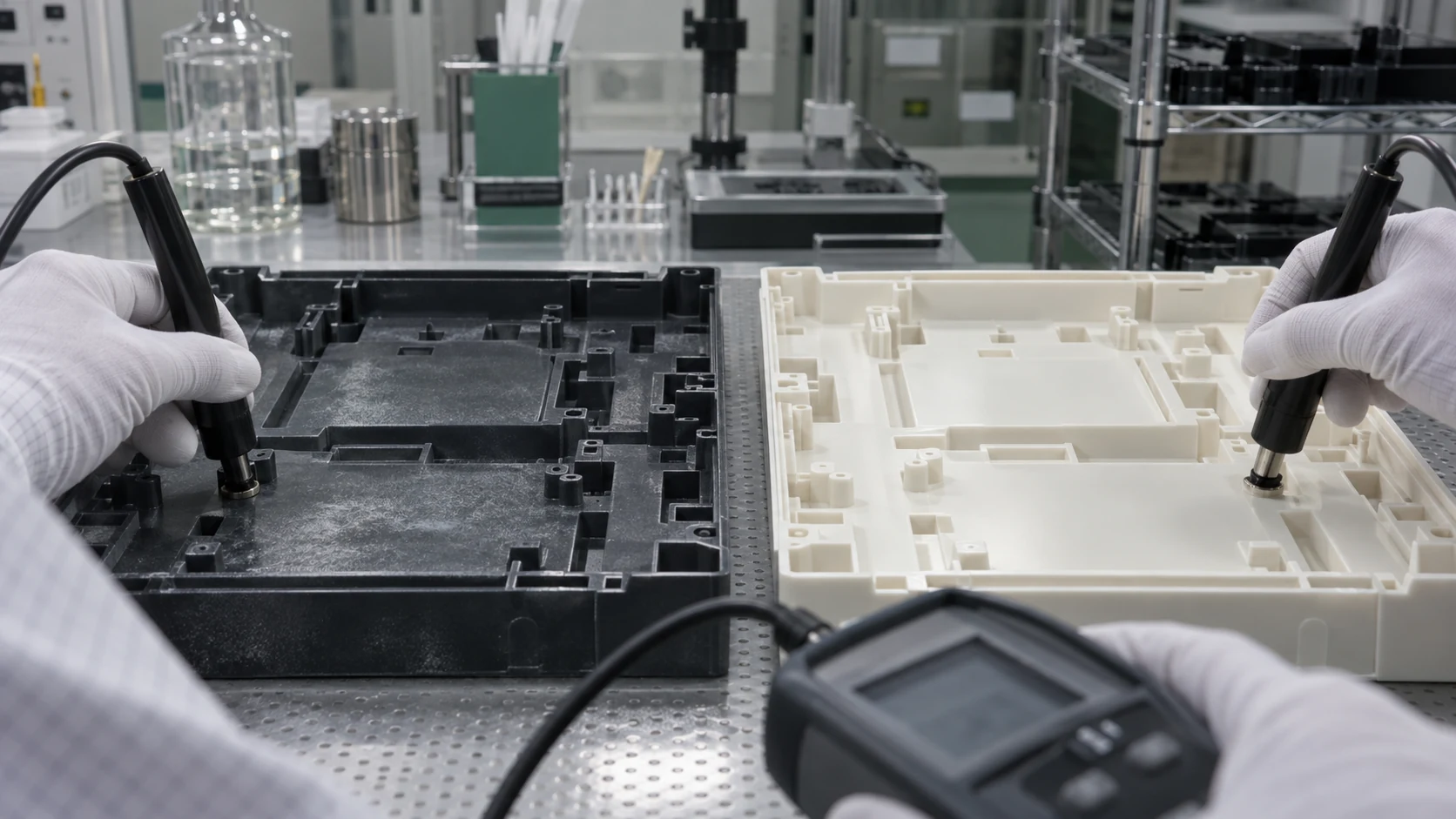
 Permanent vs Migratory Antistatic ABS: Service-Life Comparison and Application CasesCompare permanent polymer-alloy and migratory antistatic ABS through humidity, wiping, storage, three application cases and a practical validation plan for DGK-ABS KJD678R-BZ and KJD910R.
142 solutions found
No matching solutions. Clear the keyword or contact us for material selection support.
Permanent vs Migratory Antistatic ABS: Service-Life Comparison and Application CasesCompare permanent polymer-alloy and migratory antistatic ABS through humidity, wiping, storage, three application cases and a practical validation plan for DGK-ABS KJD678R-BZ and KJD910R.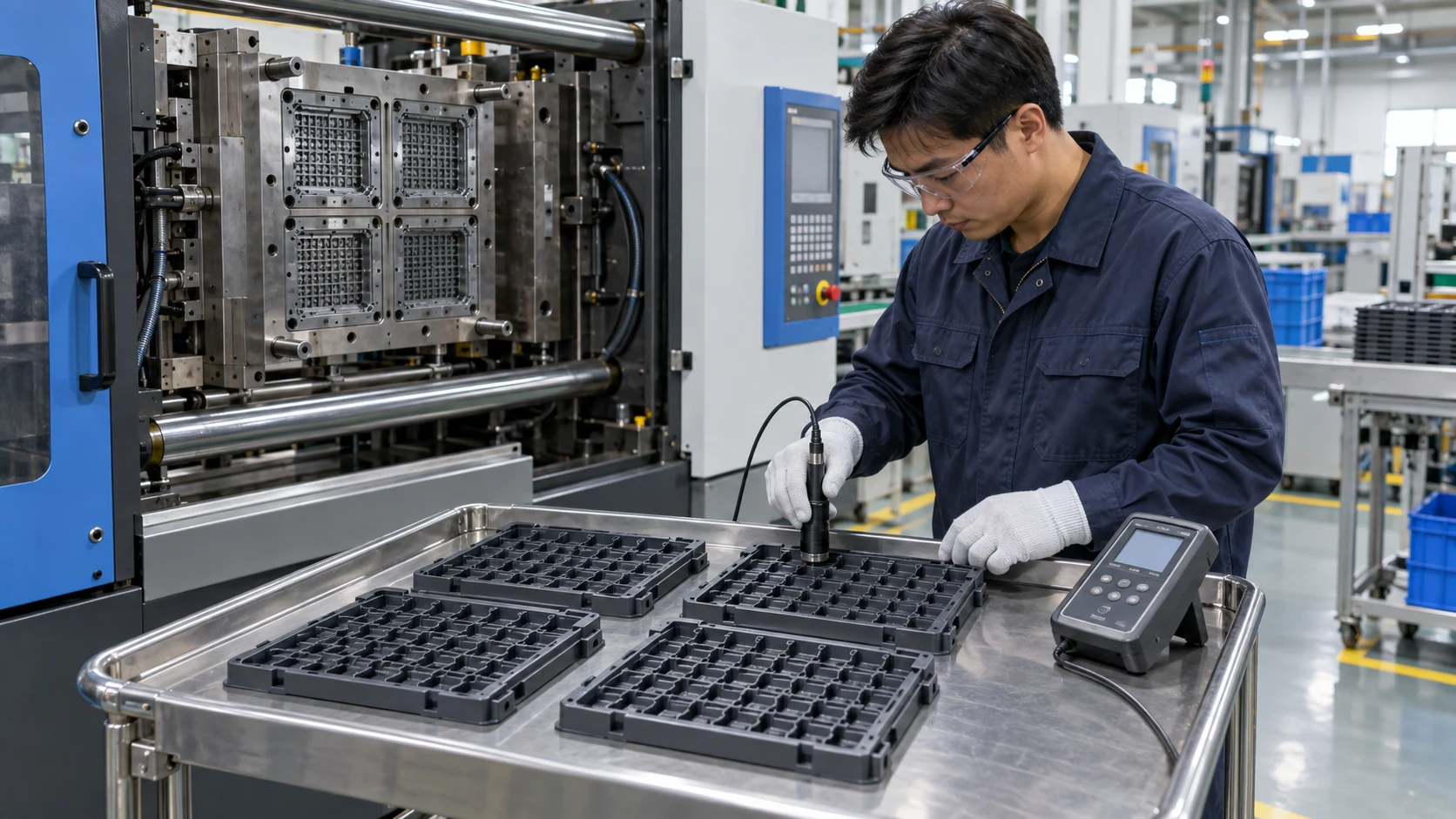 How to Solve Surface-Resistance Variation in Multi-Cavity Injection-Molded Antistatic PP: DGK-PP KJD789R-A1A complete DGK-PP KJD789R-A1 engineering route for controlling cavity-to-cavity surface-resistance variation in multi-cavity antistatic PP injection molding, including material logic, process controls and an SMT tray validation case.
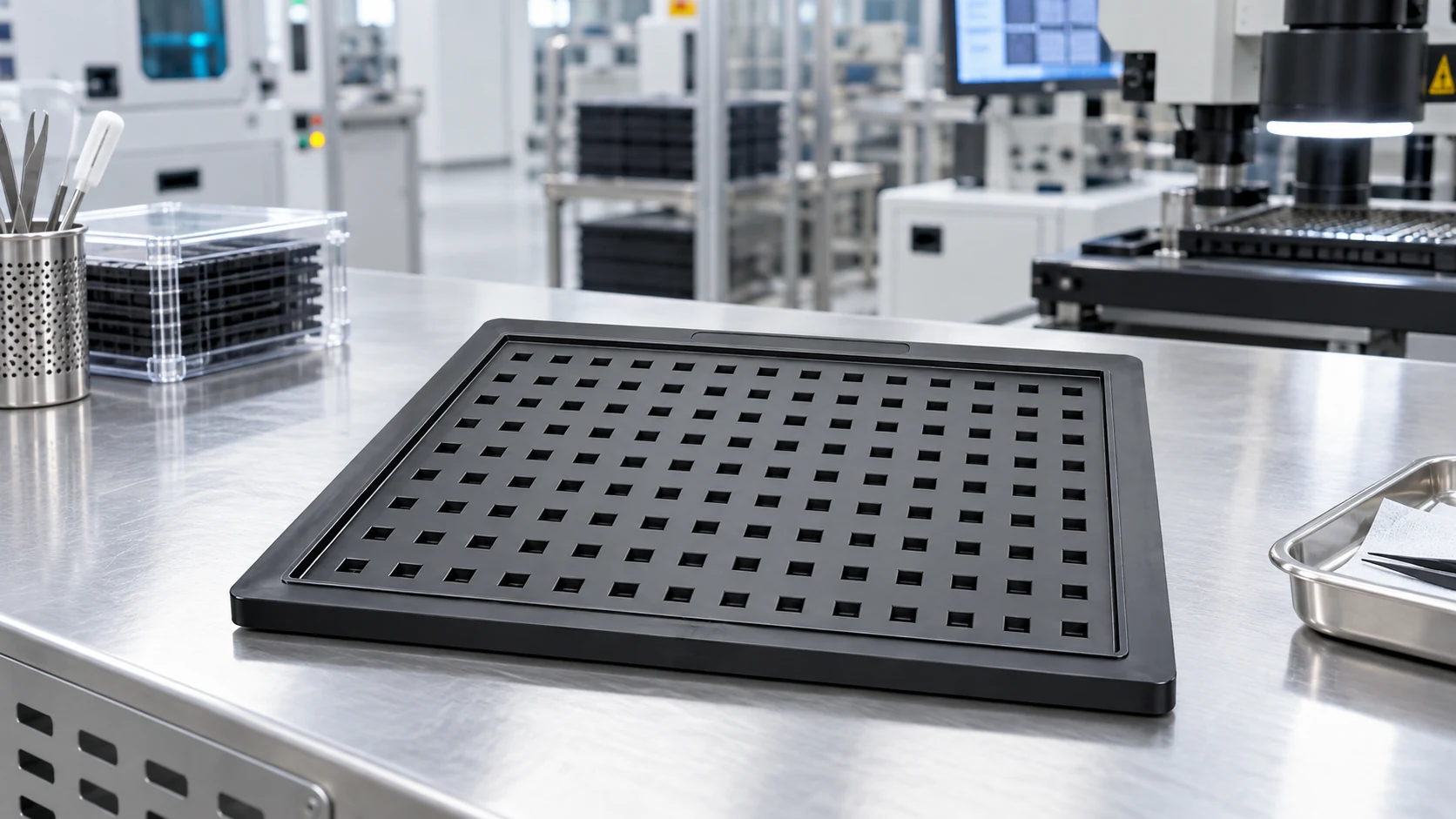 Antistatic MPPO Solution for Precision IC Trays: DGK-PPO DD6-9ADGK-PPO DD6-9A CNT-modified antistatic MPPO solution for IC trays, with 10⁶–10⁹ Ω/sq resistance, ≥140°C HDT, molding guidance and production cases.
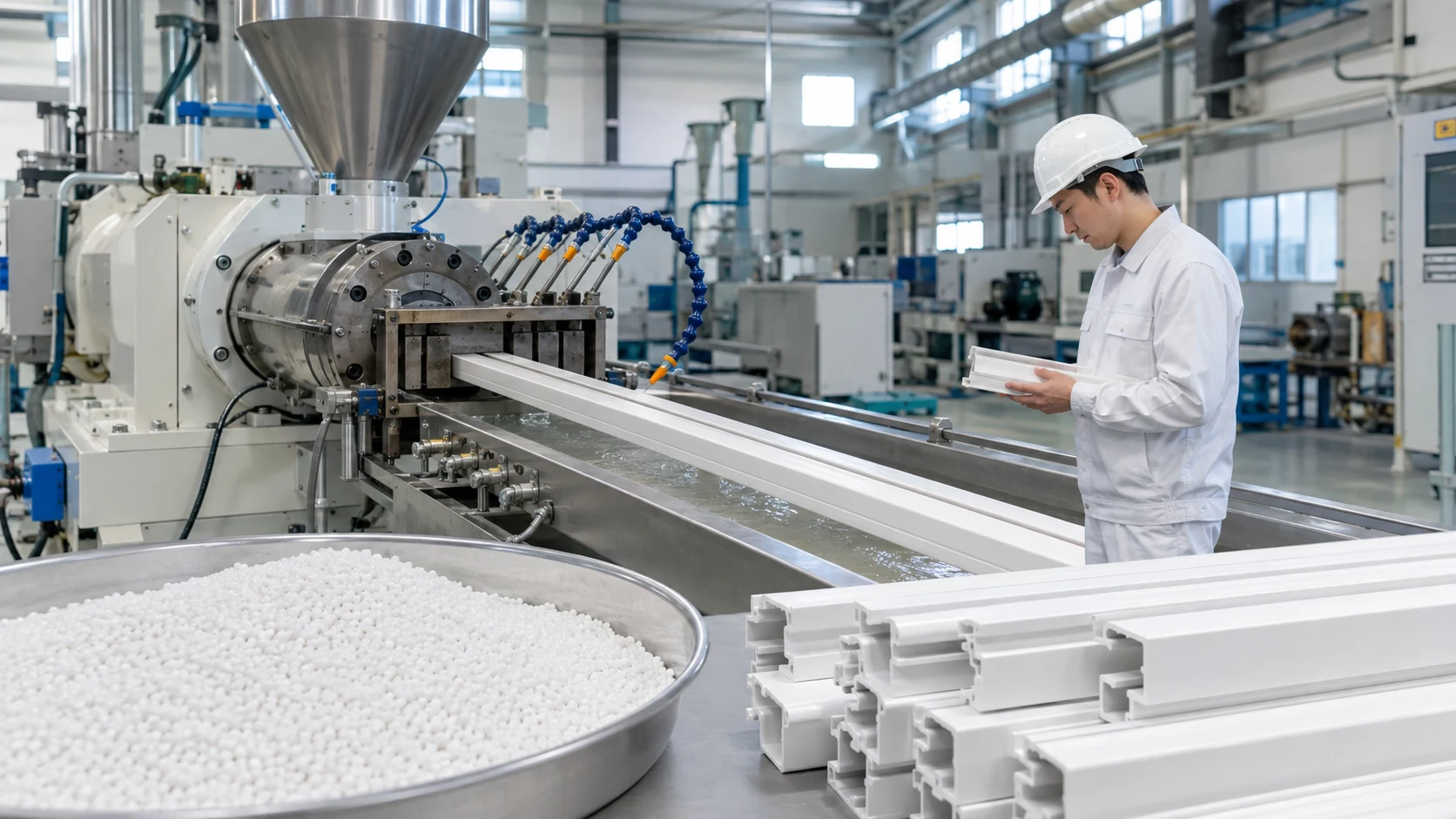 Antistatic Additive Blooming in White Rigid PVC and the DEYU DGK-PVC KJD789JC SolutionWhy white rigid antistatic PVC develops powder bloom, oily films and resistance drift, and how DGK-PVC KJD789JC uses a non-migrating permanent antistatic system for extrusion and injection molding.
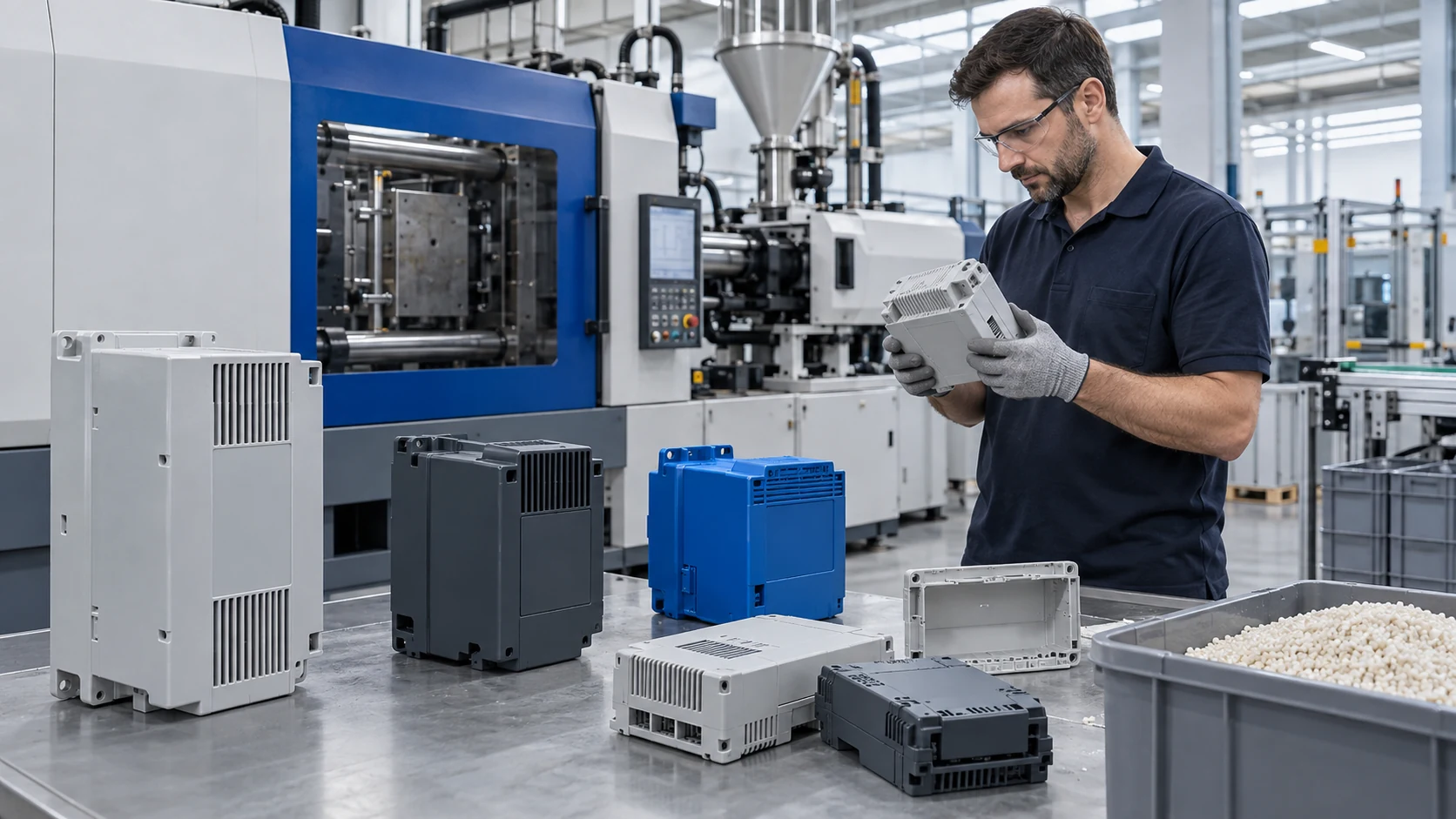 Engineering Material Solution for Antistatic, Flame-Retardant, High-Strength and Color-Customized Electrical EnclosuresDGK-PA6 KJD789R-G30F engineering solution for colored electrical enclosures requiring permanent antistatic performance, V-0 flame retardancy and 30% glass-fiber reinforcement.
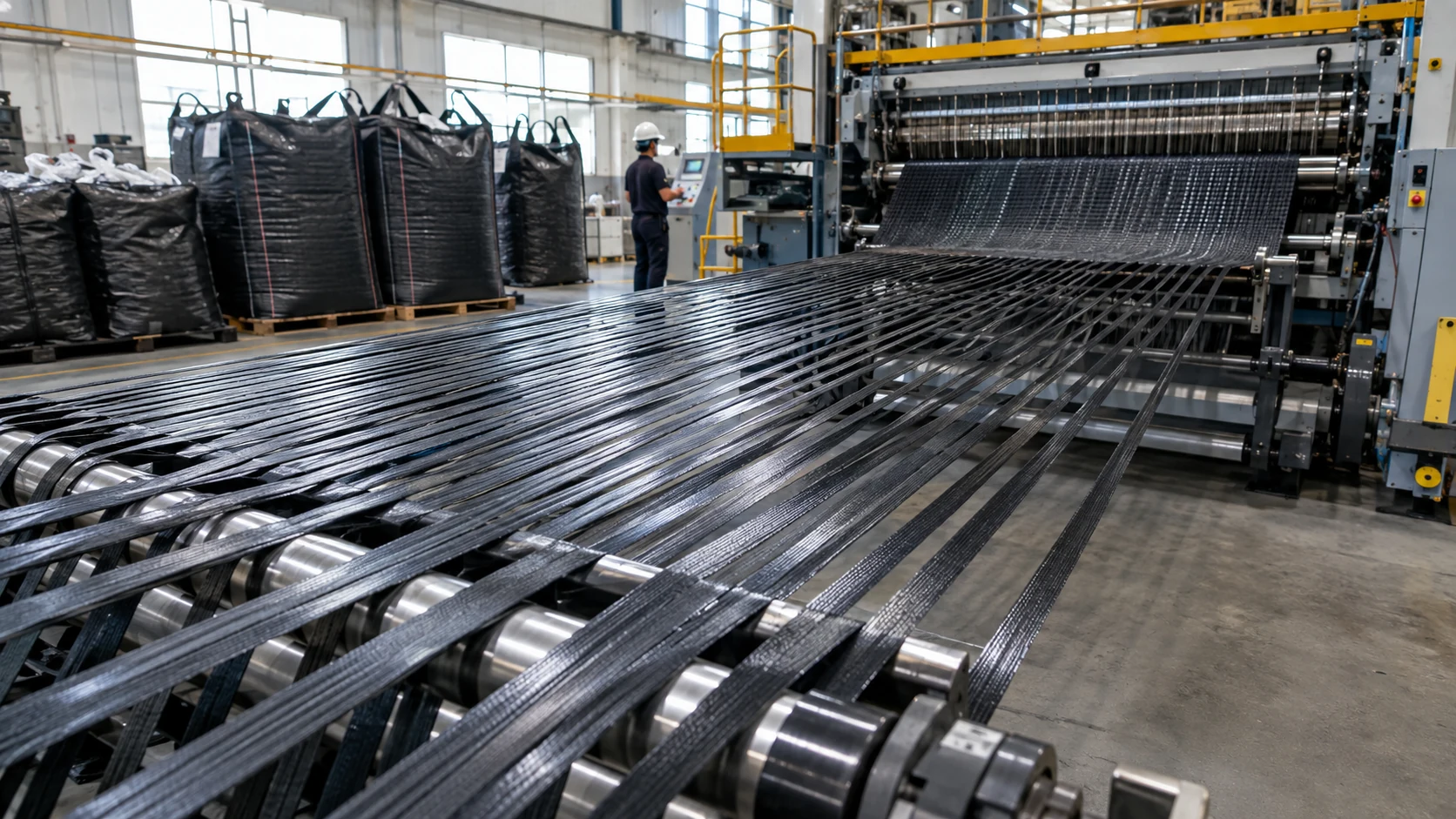 Antistatic PP Yarn Production and Applications: Engineering Practice with DGK‑PP DD4‑5AEngineering guide to conductive PP flat tape and filament production using DGK-PP DD4-5A, with drawing, blending, coextrusion, FIBC cases and troubleshooting.
 Flame-Retardant and Antistatic Plastics for Outdoor Use: From Technical Challenges to Engineering ImplementationGuide to outdoor flame-retardant and antistatic PP, ABS, PA and PC/ASA compounds, covering weathering, property conflicts, project data and validation.
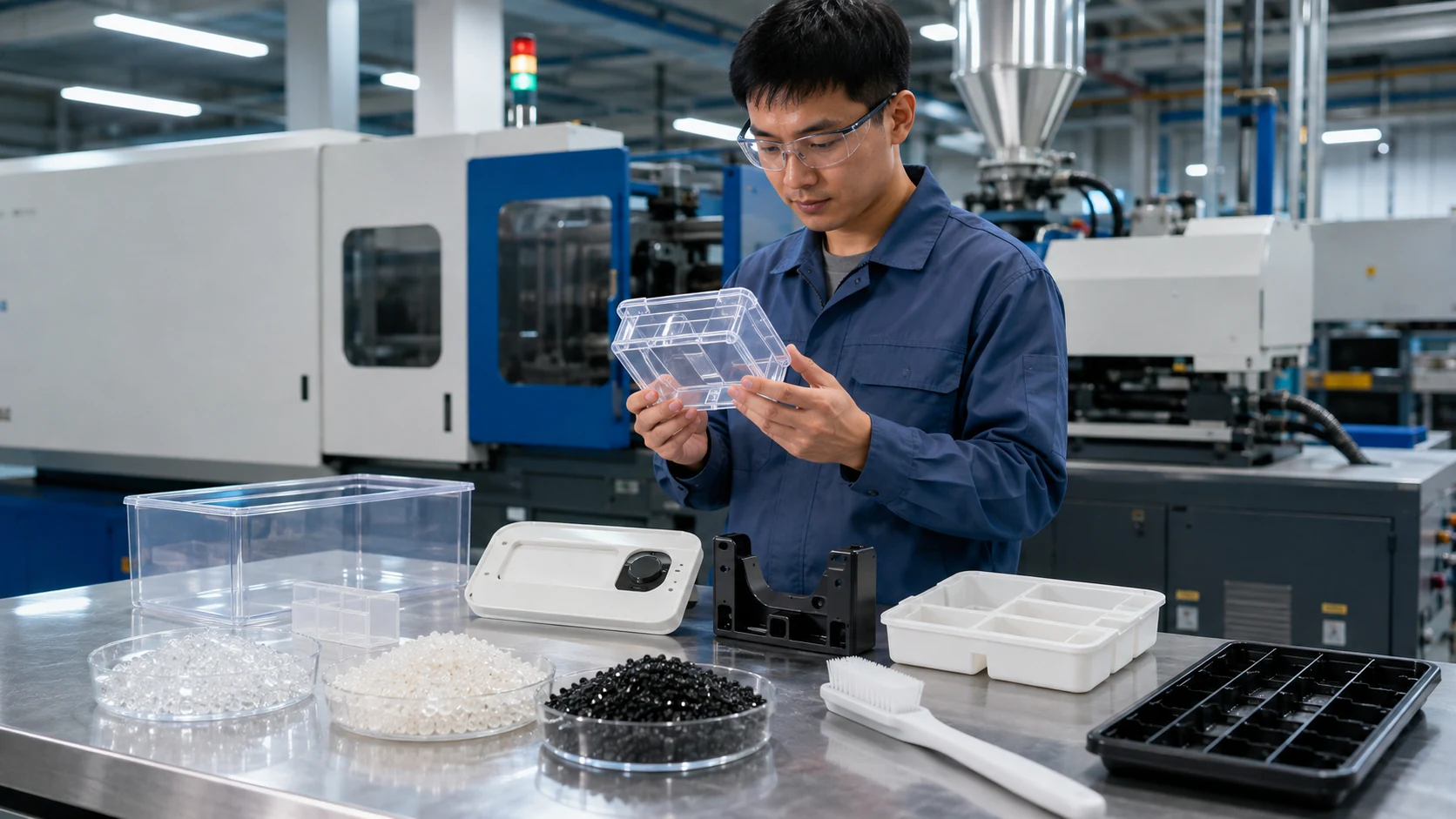 Antistatic Plastics in Consumer Products: Applications and Production EssentialsA production guide to transparent, black, natural-color ABS and PP antistatic compounds for consumer products, with verified material data, cases and molding controls.
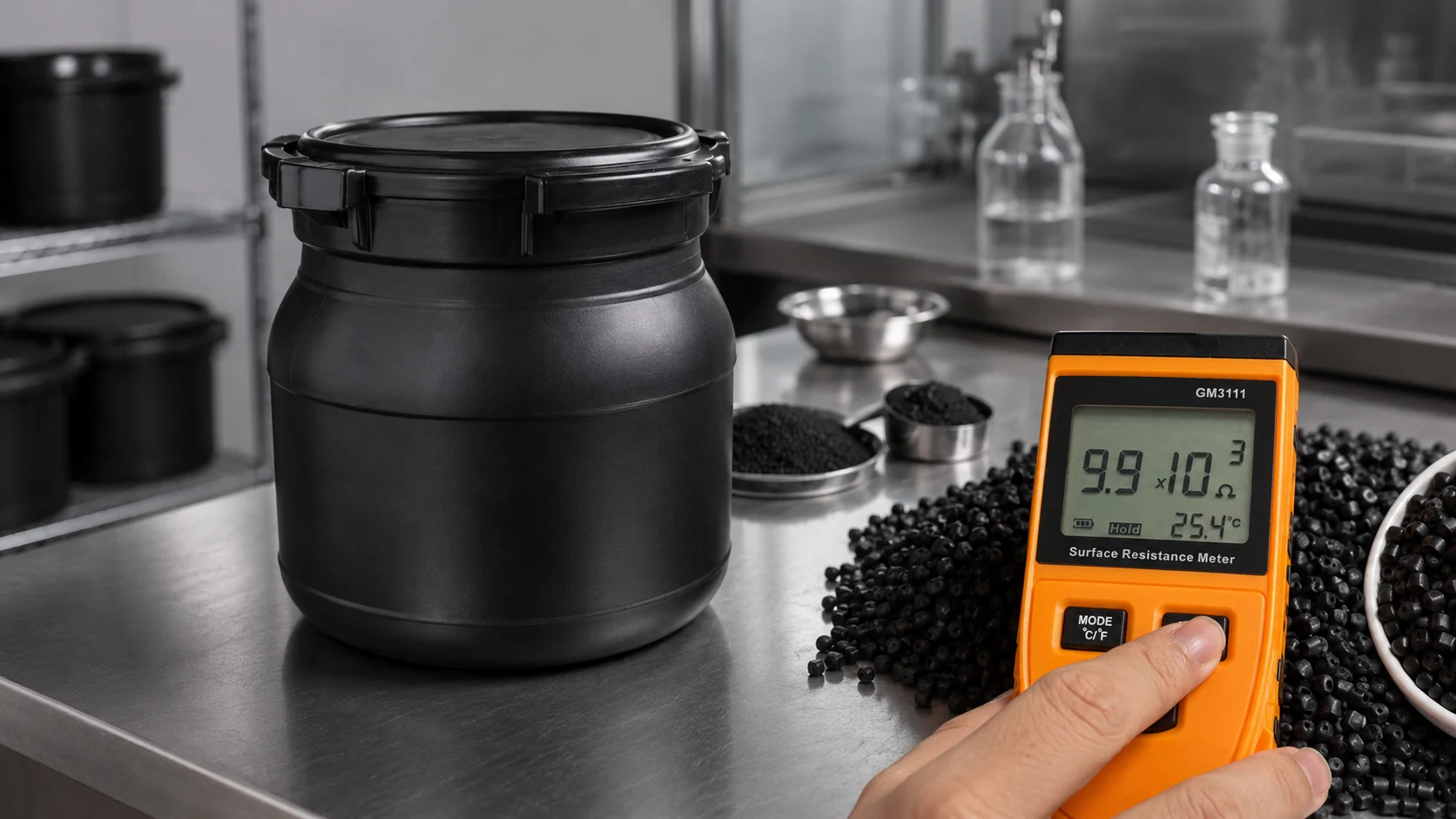 Technical Challenges of Conductive PE Chemical Transport Drums and the DEYU DGK-PE SolutionDGK-PE conductive HDPE system for chemical transport drums, solving brittleness, blow molding melt index and bottom thin-shell drop failure with CNT+graphite networks, MFR control and mold/process coordination.
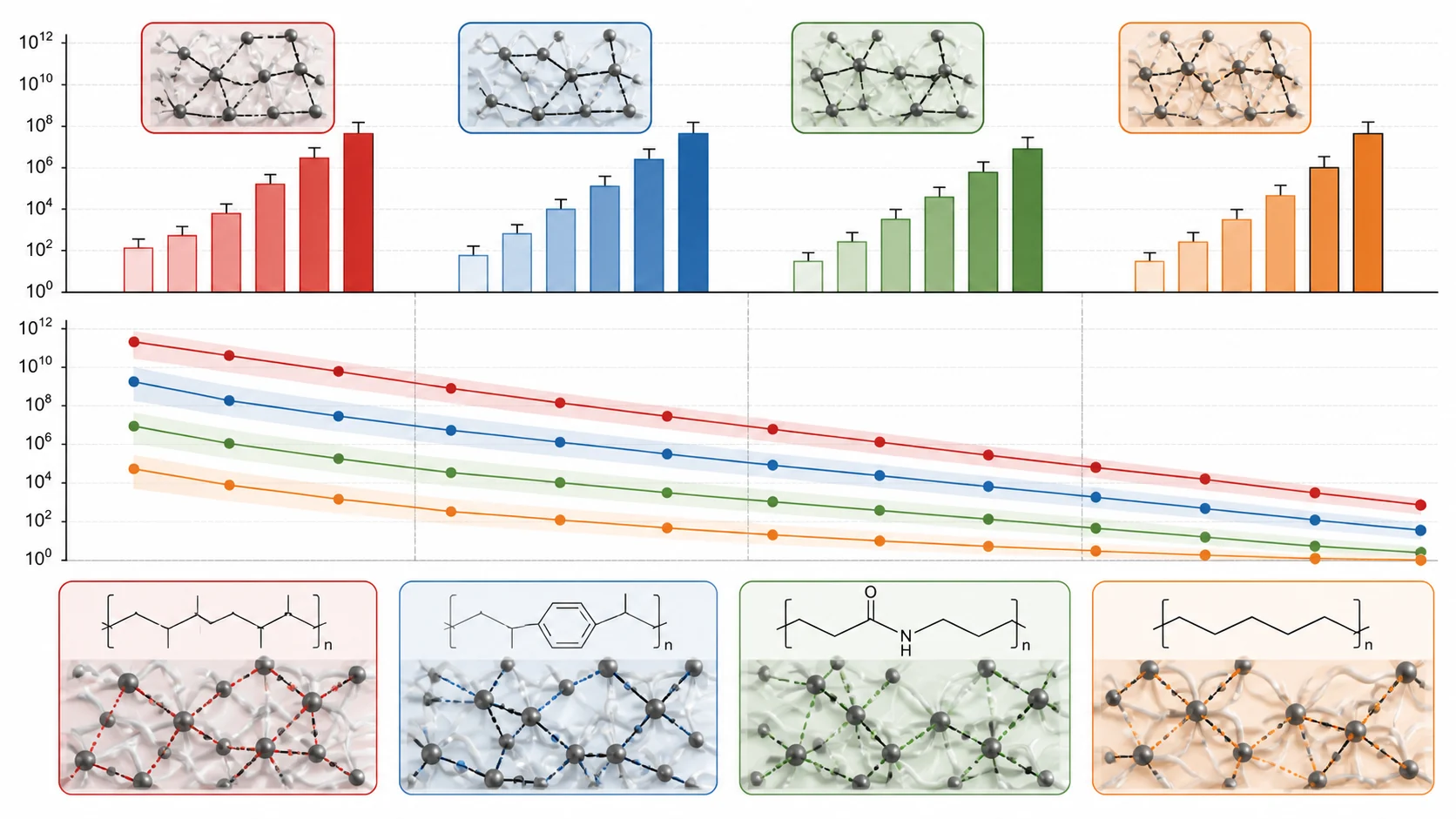 How to Choose the Base Resin for Conductive Plastics: PP, ABS, PA and PEEngineering guide for choosing conductive plastic base resins, comparing PP, ABS, PA and PE by temperature, load, chemical exposure, appearance, cost and conductive filler impact.
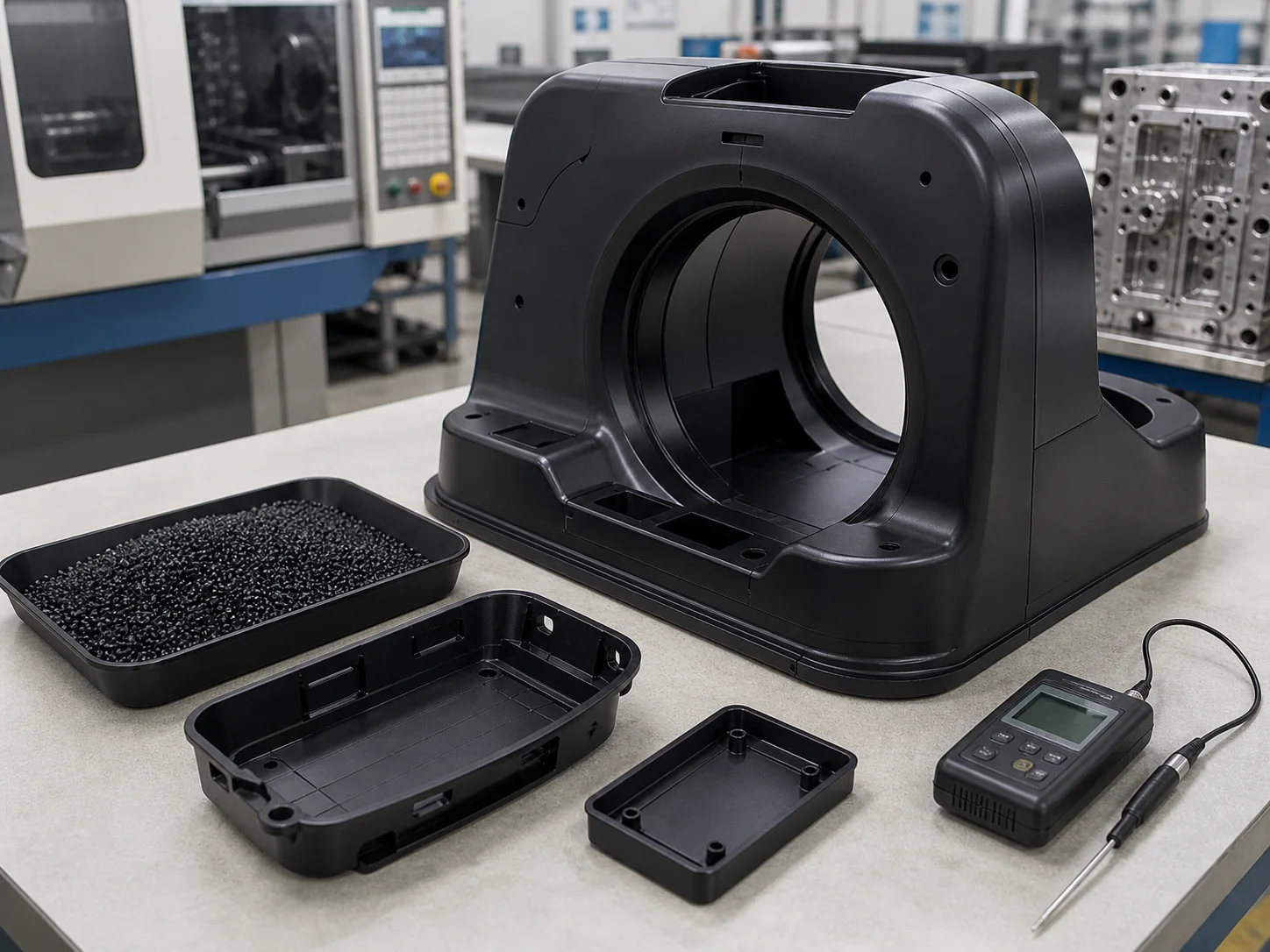 CNT Composite PP for Very Large Conductive Plastic Parts, Surface Resistance 10^2-10^3 OhmDGK-PP DD2-3A uses 5-10 wt% CNT to achieve 10^2-10^3 ohm/sq surface resistance while keeping large-part PP injection molding practical.
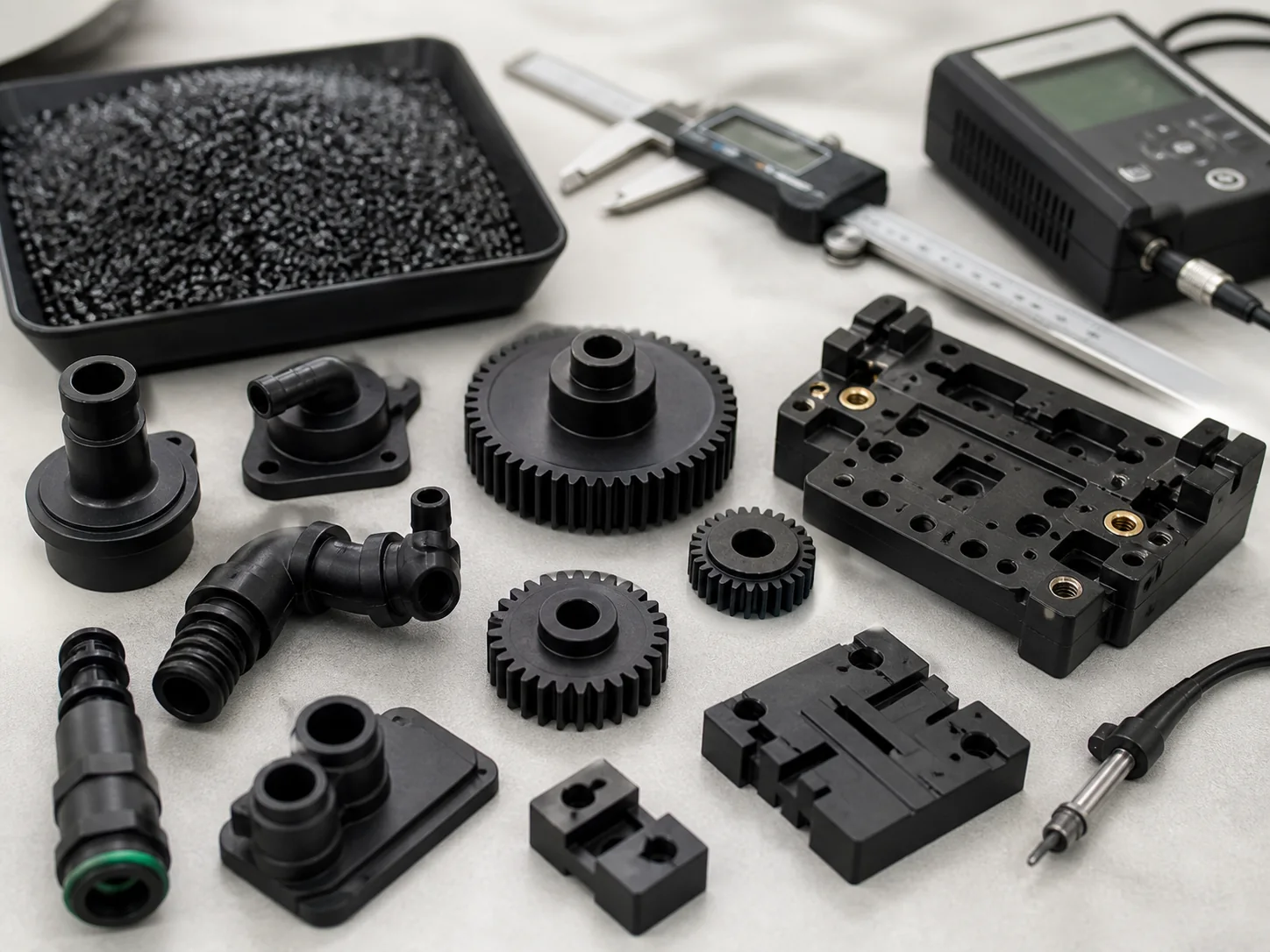 A Low-Cost Toughened Conductive POM: How Two Technical Routes Balance Conductivity, Toughness and CostHow DGK-POM DD4-5ML carbon black internal mixing and DGK-POM DD3-4A CNT routes balance conductivity, toughness, surface quality and cost.
 DGK-ABS KJD890TM Transparent Antistatic ABS Material Procurement GuideProcurement guide for 85% transparent permanent antistatic ABS, covering resistance stability, molding validation, alcohol wiping, low humidity tests and three customer cases.
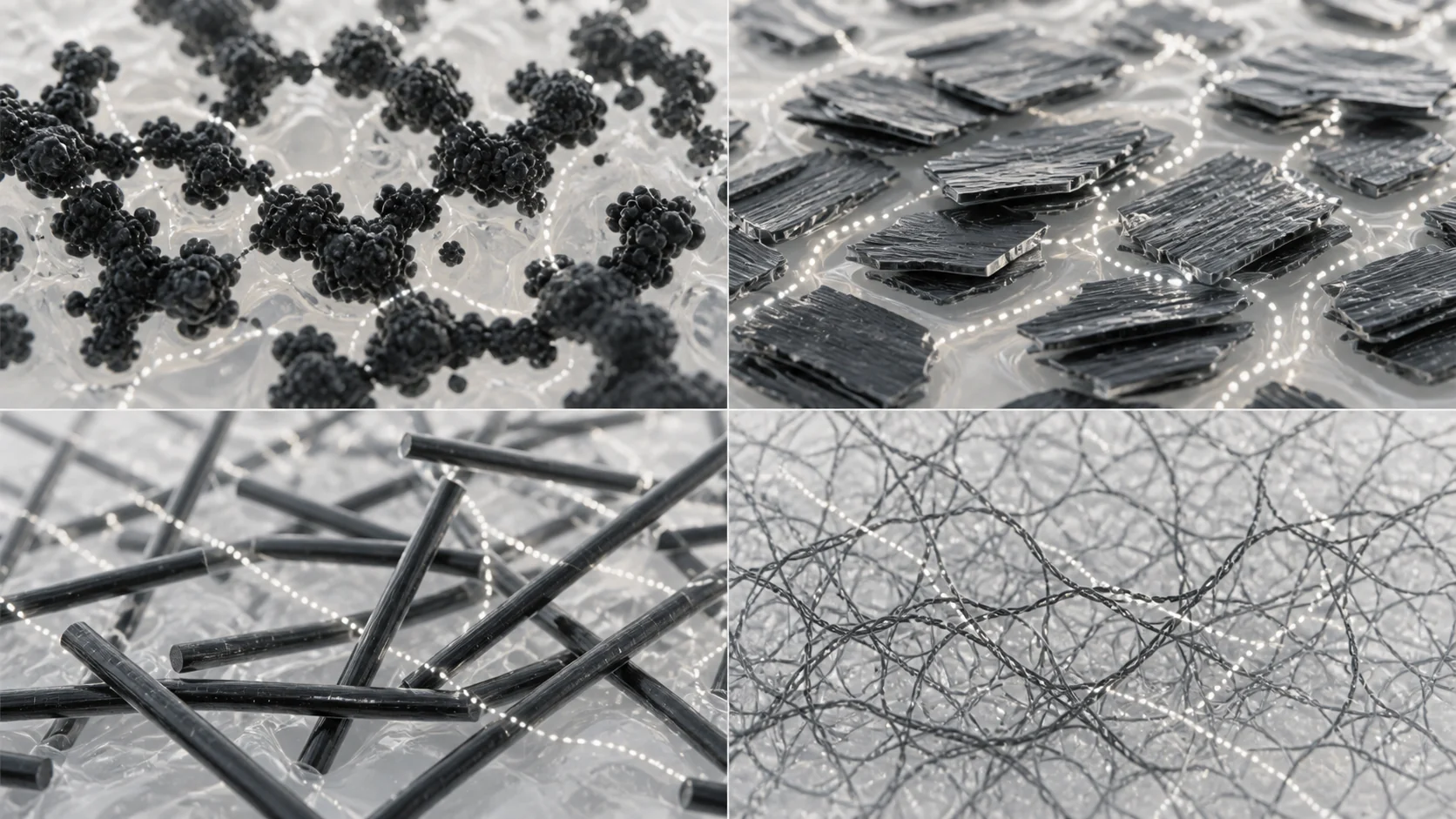 Carbon Black, Graphite, Carbon Fiber or CNT: Which Conductive Route Fits Your Plastic Part?Compare conductive filler routes for plastic parts by percolation threshold, resistance target, mechanical trade-off, surface appearance, processing and cost.
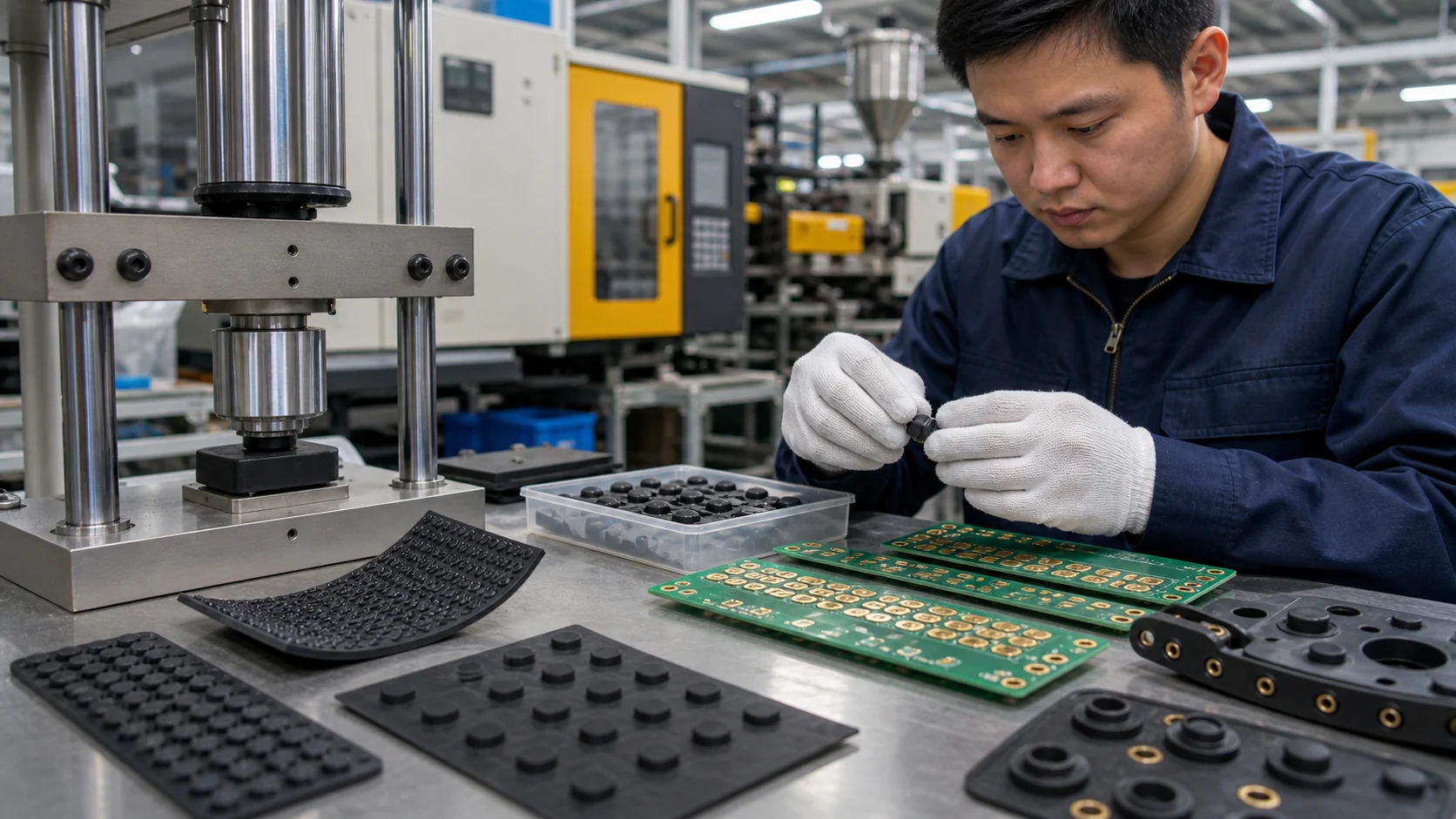 Conductive TPU for Elastic Contact Pads: Resistance Under CompressionGuide to conductive TPU elastic contact pads, including resistance under force, contact stability, 500k-cycle validation and DGK-TPU DD3-4ML selection.
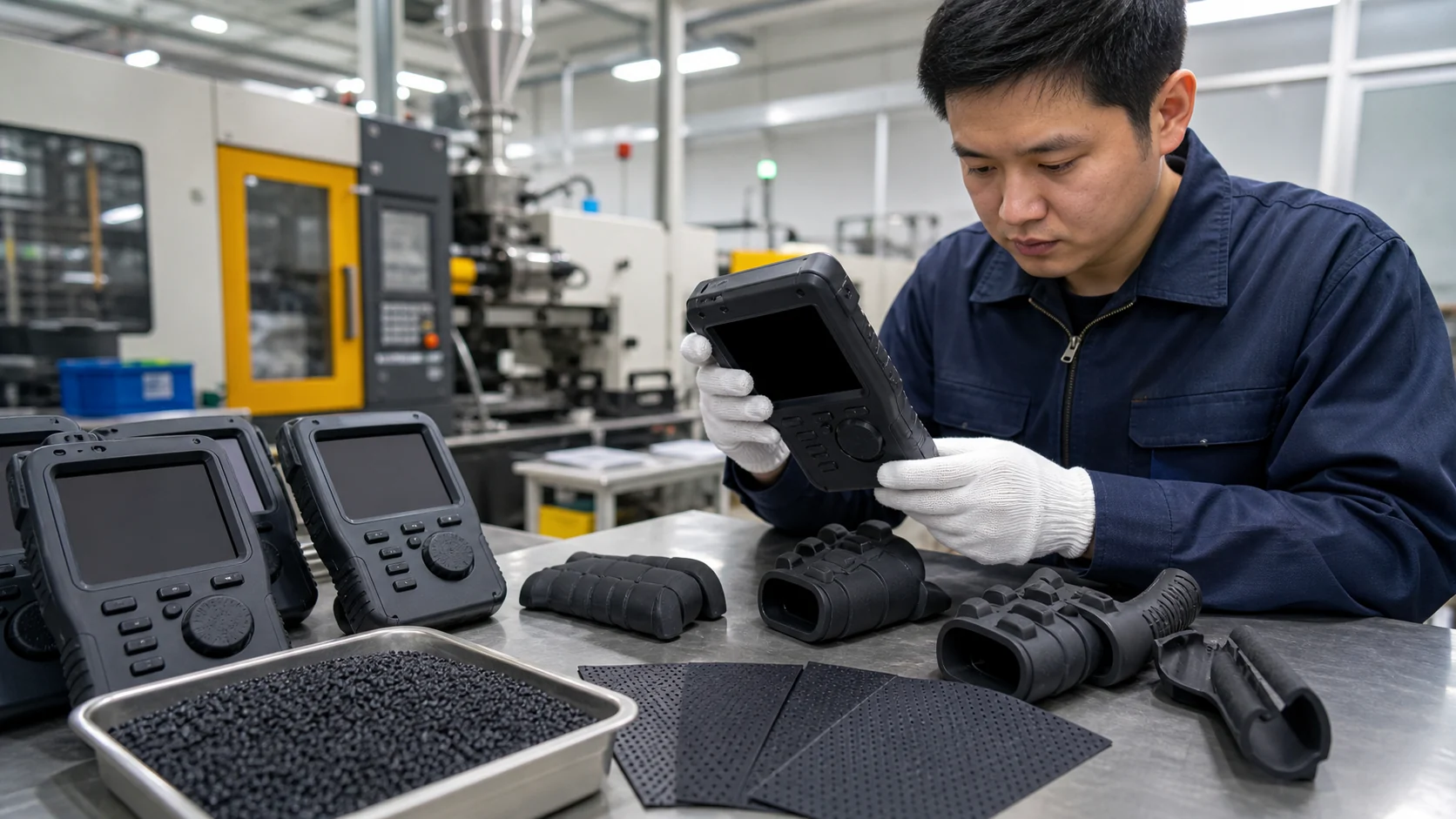 Conductive TPR for Soft-Touch Anti-Static Parts: Hardness and Resistance ControlA practical guide to hardness, resistivity, CB+CNT dispersion, overmolding adhesion and validation for soft-touch ESD grips and housings.
 UV-Resistant PC/ABS for Automotive Lamp Housings, Bezels and Exterior TrimA PC/ABS alloy selection guide for taillight housings, lamp bezels, parking-sensor covers and exterior trim exposed to parking-lot UV, heat and humidity.
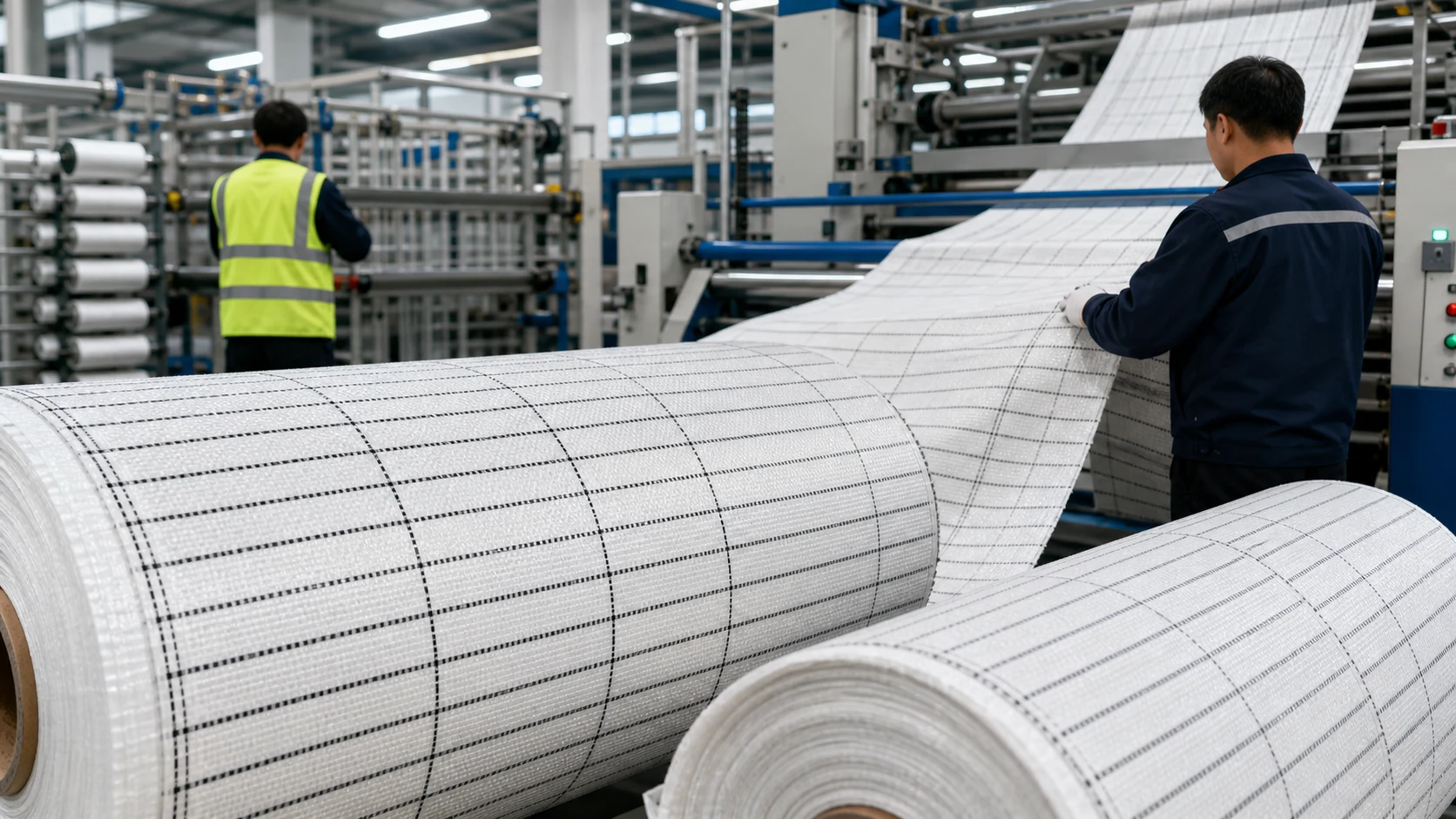 Extrusion Conductive PP for Anti-Static Packaging: Sheet, Turnover Box and ABA Co-Extrusion GuideA practical guide to conductive PP extrusion for ESD packaging, including DD3R1 data, ABA co-extrusion, surface pitting control and turnover-box validation.
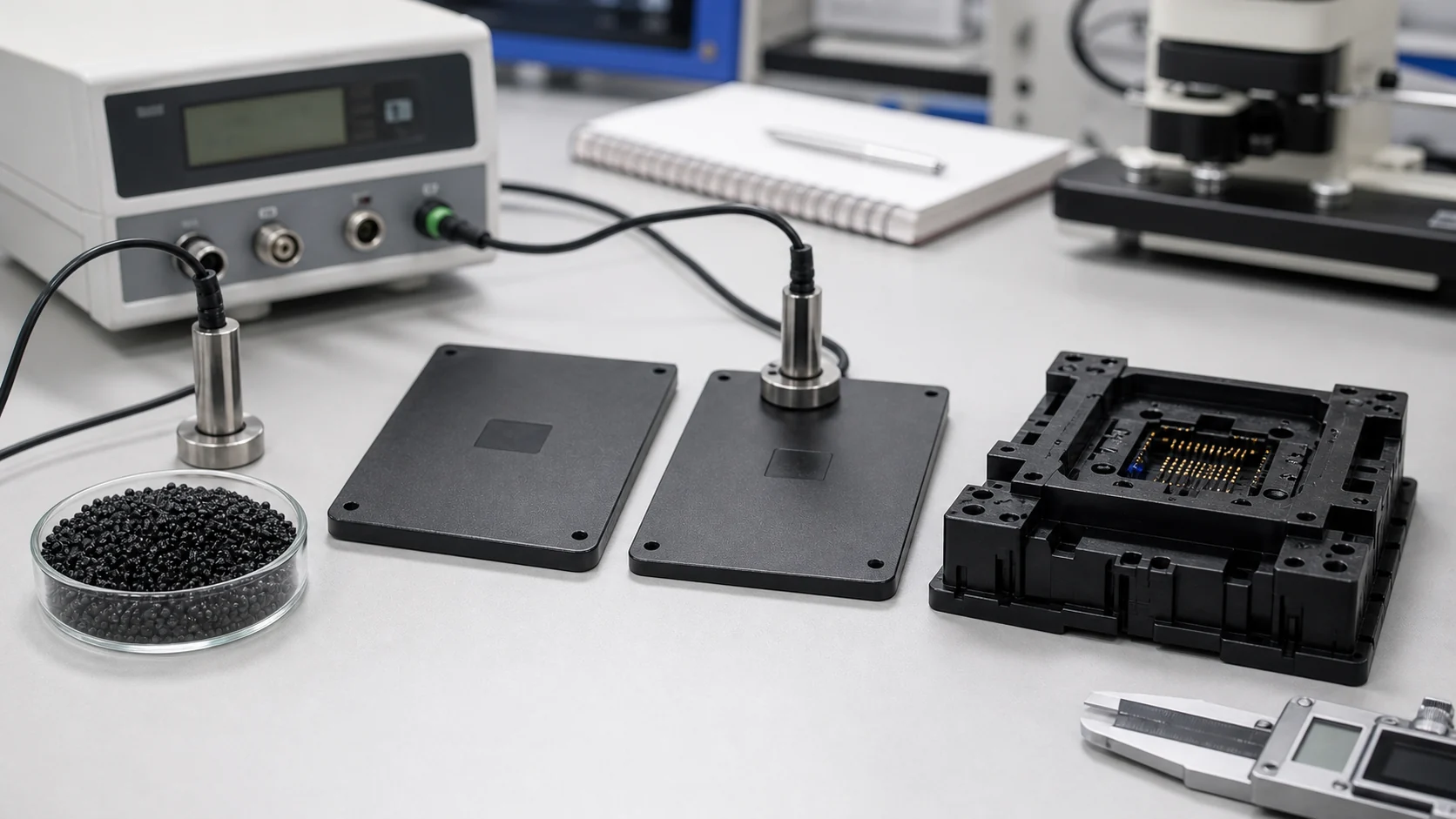 Conductive Plastic Validation: Pellet, Plaque and Real Part Data HierarchyA testing-focused guide to conductive plastic validation, explaining pellet data, plaque data and real part data with acceptance criteria and a semiconductor test socket case.
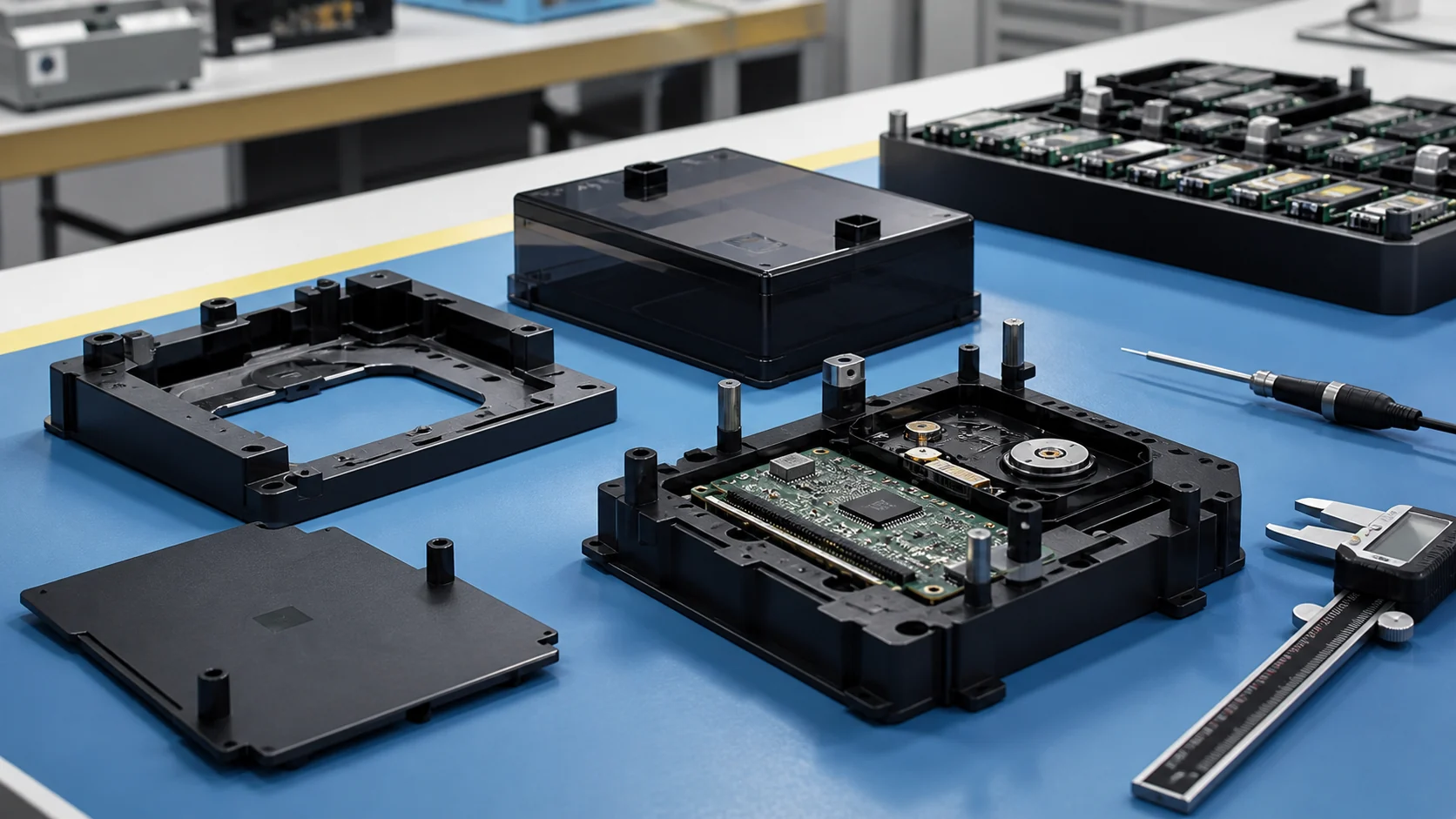 Graphite Conductive ABS for Low-Friction ESD Jigs and Anti-Static CoversA focused guide to graphite conductive ABS for precision industrial jigs and anti-static covers, comparing graphite with carbon black and using surface roughness, friction, wear and ESD validation data.
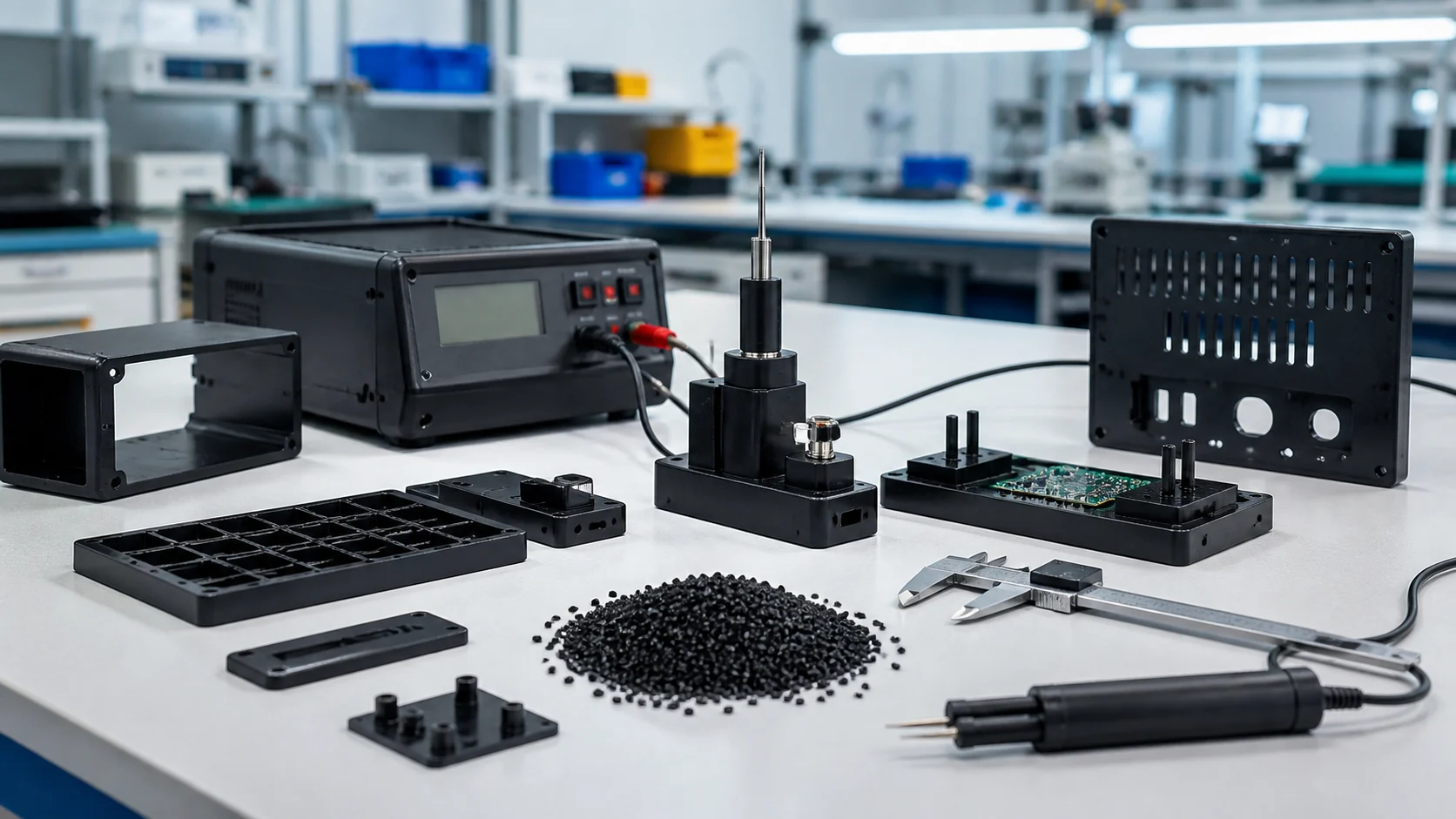 Conductive ABS for Equipment Housings and Assembly FixturesA complete application guide for conductive ABS in ESD-safe equipment housings and assembly fixtures, including filler routes, molded-part validation data and processing windows.
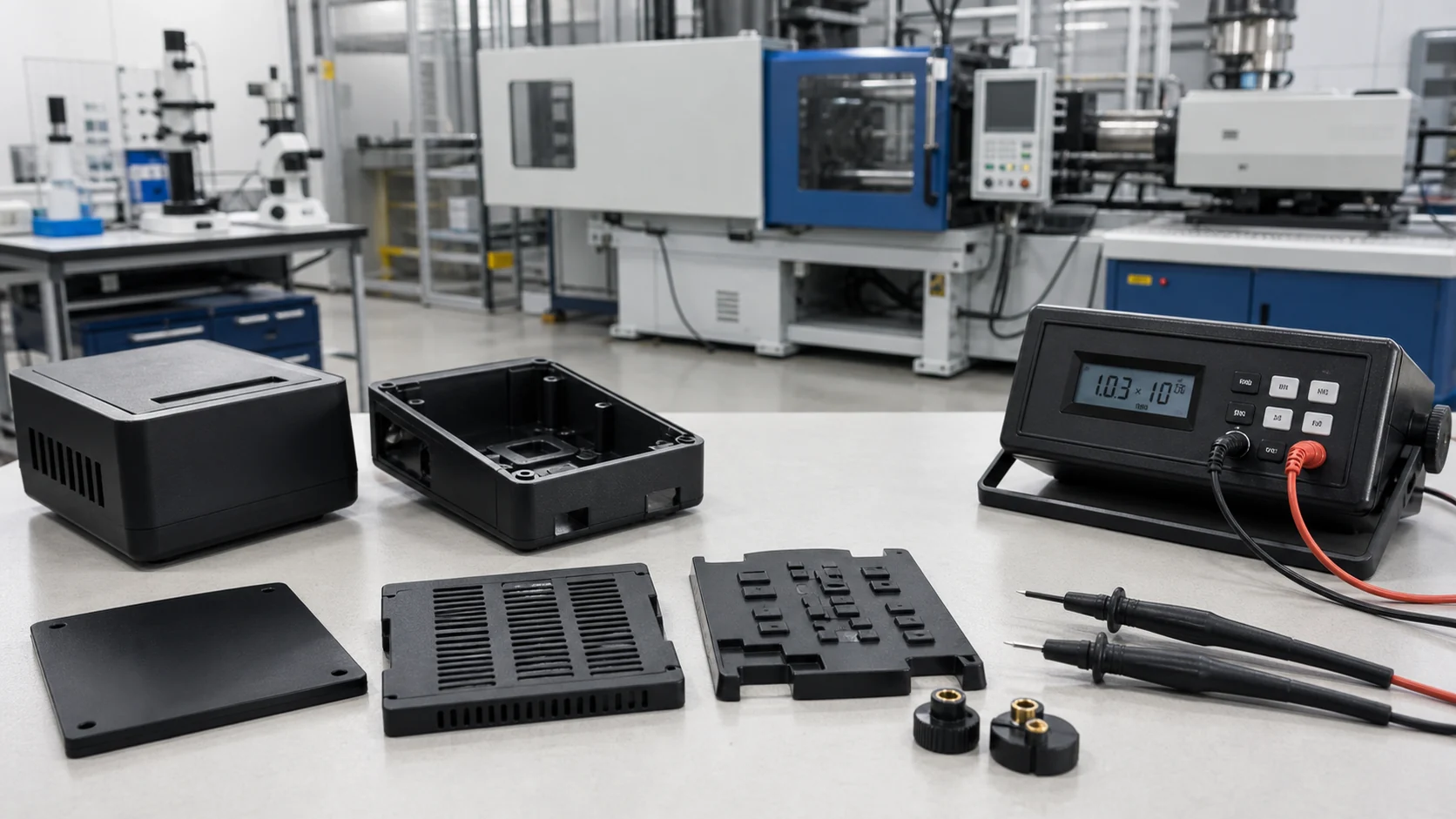 Customer Trial Validation Method for Conductive ABS Molded ComponentsA production-scale validation protocol for conductive ABS molded parts, from acceptance criteria and multi-point resistance mapping to scrap-rate and qualification decisions.
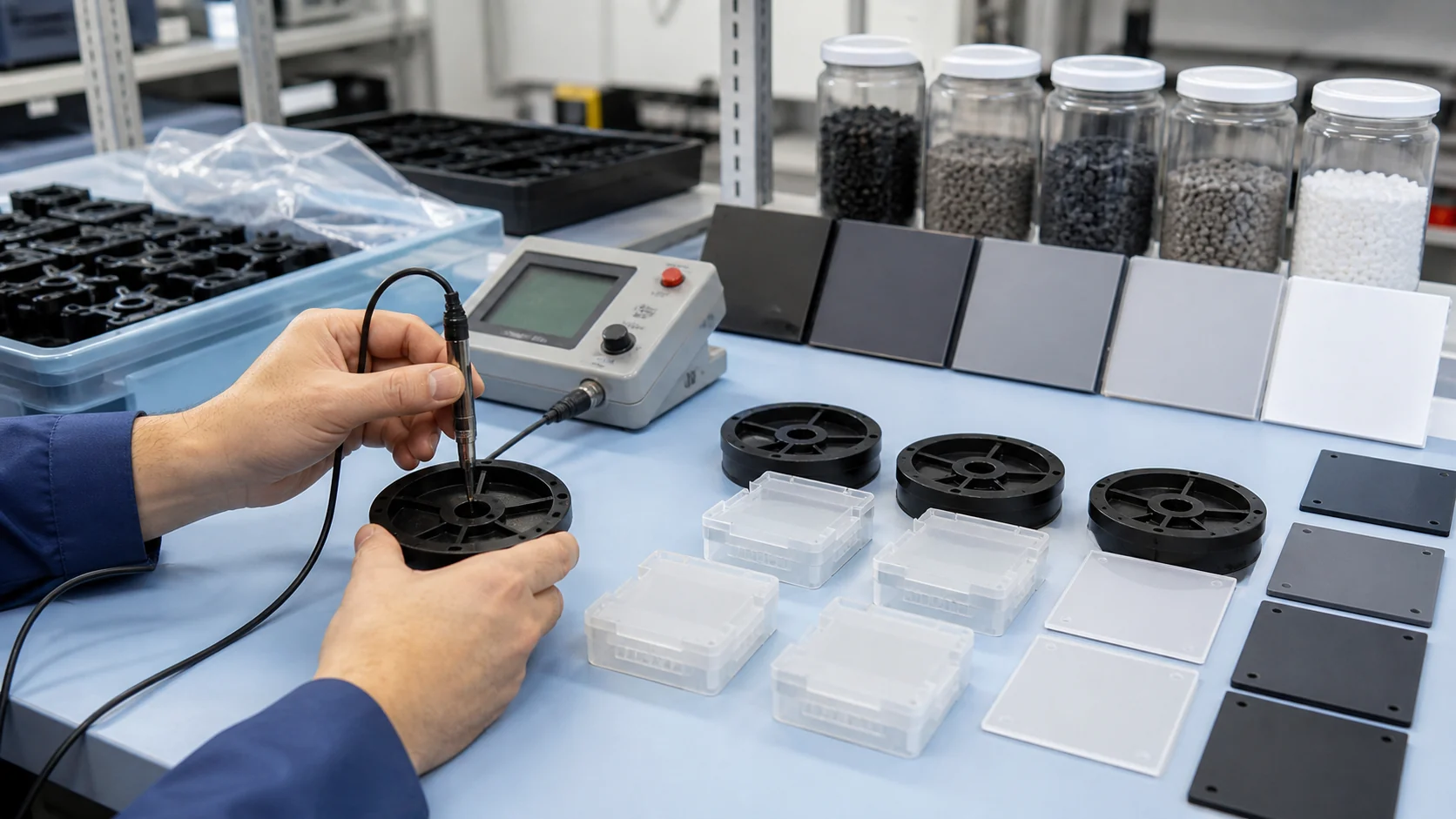 When Resistance Stability Becomes a Hard Requirement: How DGK Conductive and Antistatic Plastics Keep Batch UniformityHow DGK conductive and antistatic plastics use CNT dispersion, permanent antistatic systems and process control to keep resistance uniform across parts and batches.
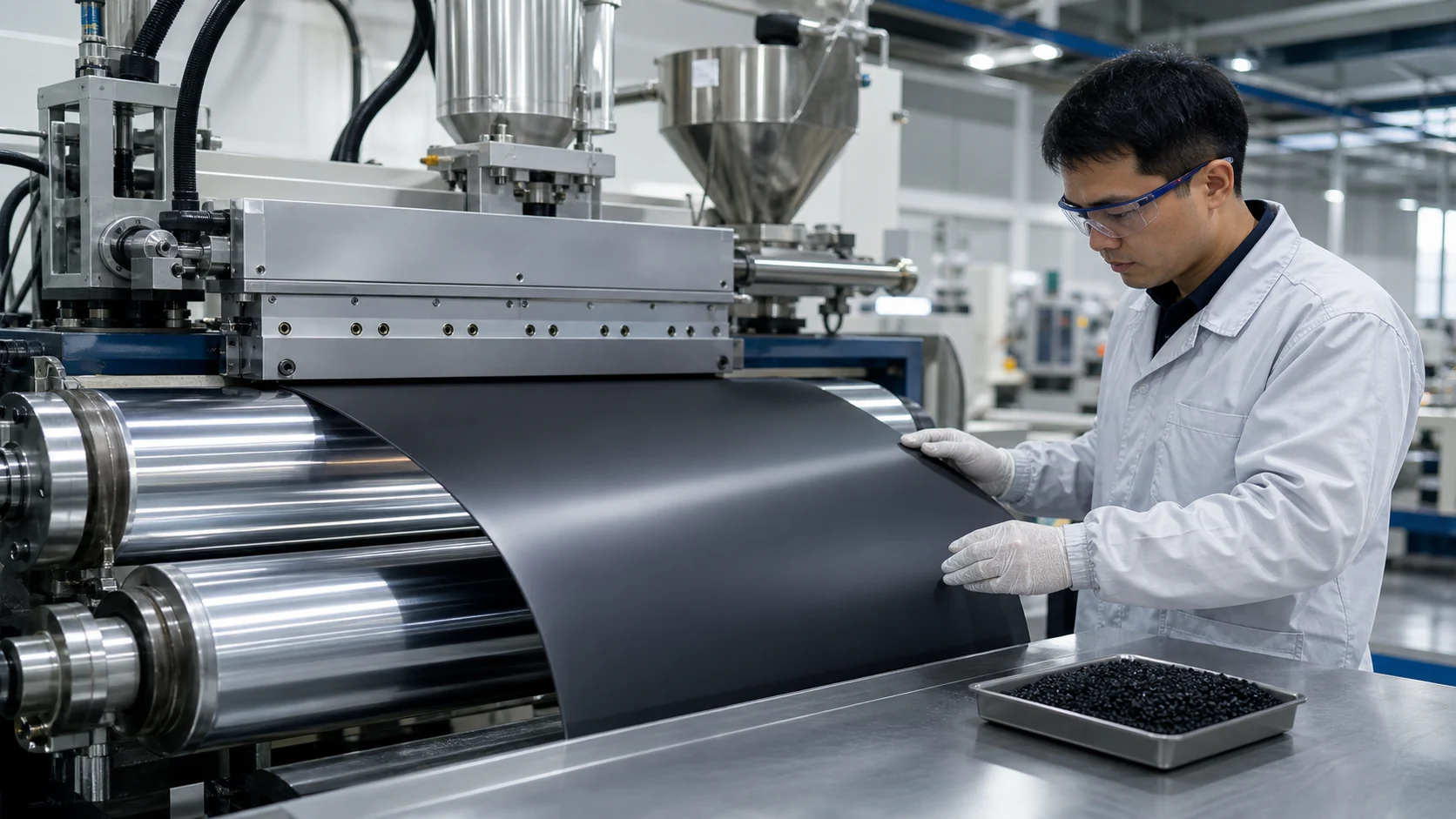 Conductive Plastic Extrusion: PC Sheet and Flame-Retardant Conductive PP Sheet Case NotesPractical extrusion data for conductive PC carrier-tape sheet and flame-retardant conductive PP separator sheet, including defects, resistance directionality and run-time stability.
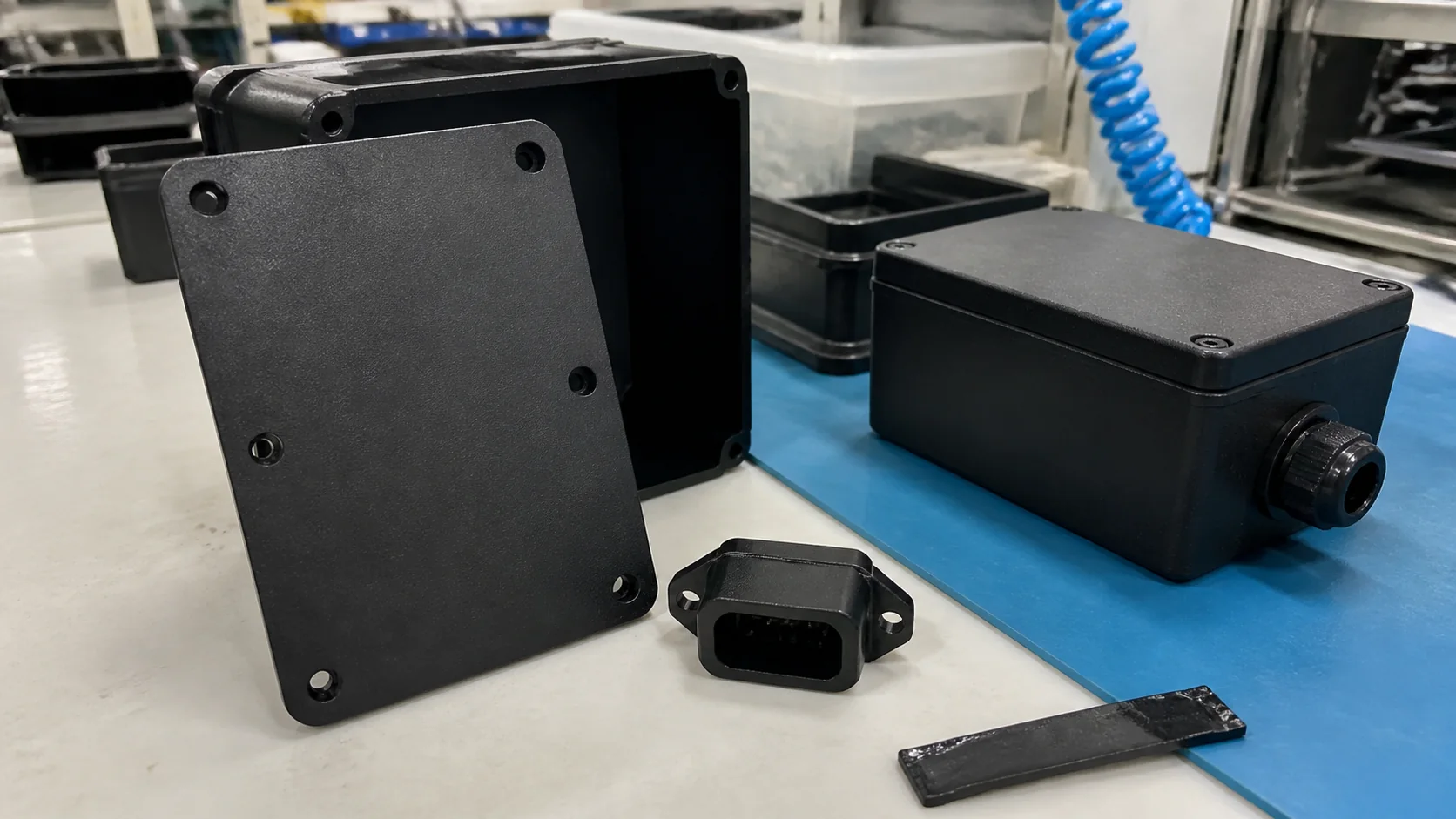 Black Electrical Housings: Flame-Retardant Conductive PP Validation GuideA molded-part validation route for black PP electrical housings that need UL94 V-0, ESD control, low bloom and assembly toughness.
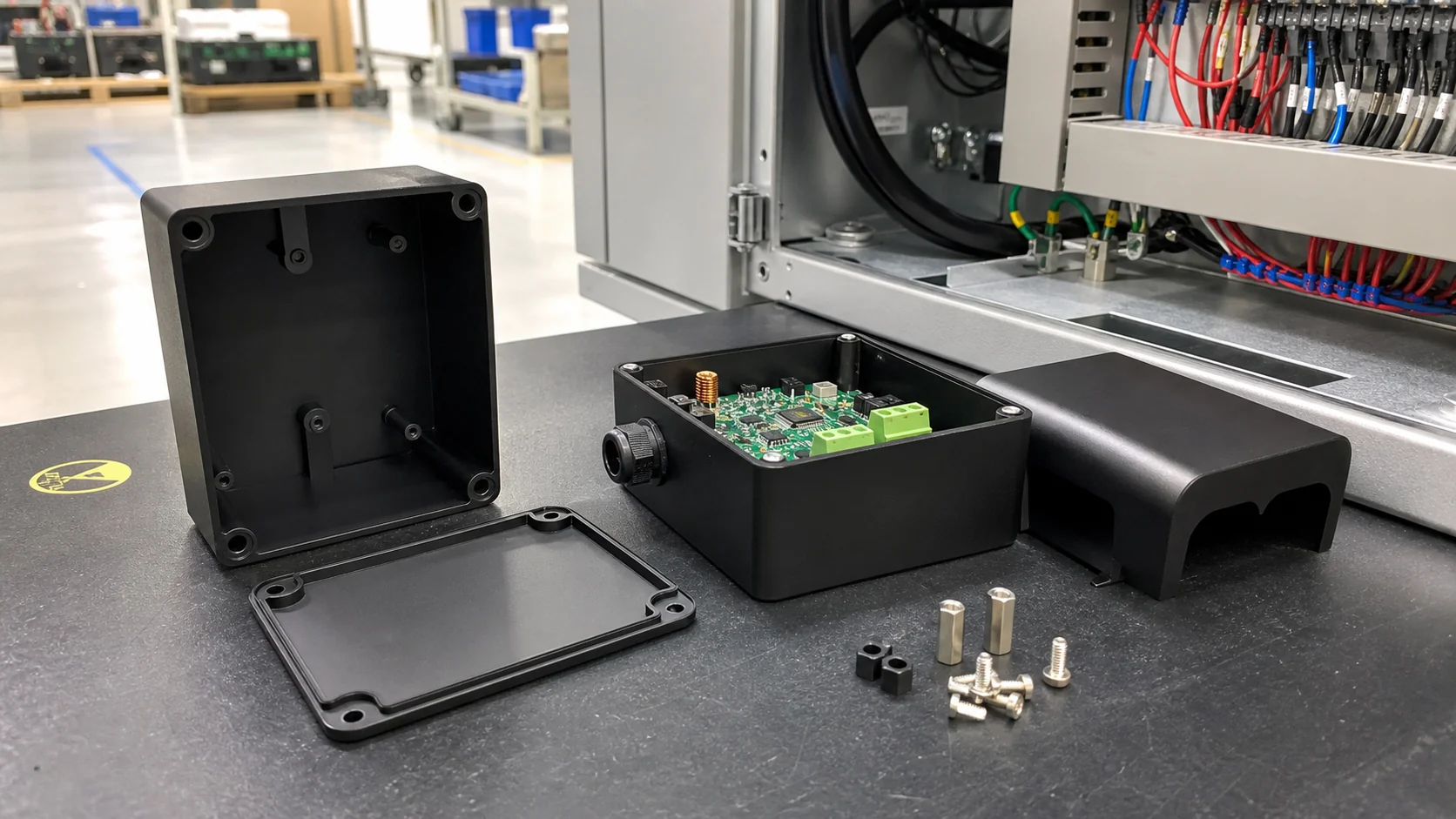 Conductive PP Housings: ESD Control, UL94 Risk and Molded-Part ValidationHow to validate conductive PP for ESD-safe control boxes, industrial covers and electrical enclosures beyond pellet resistance data.
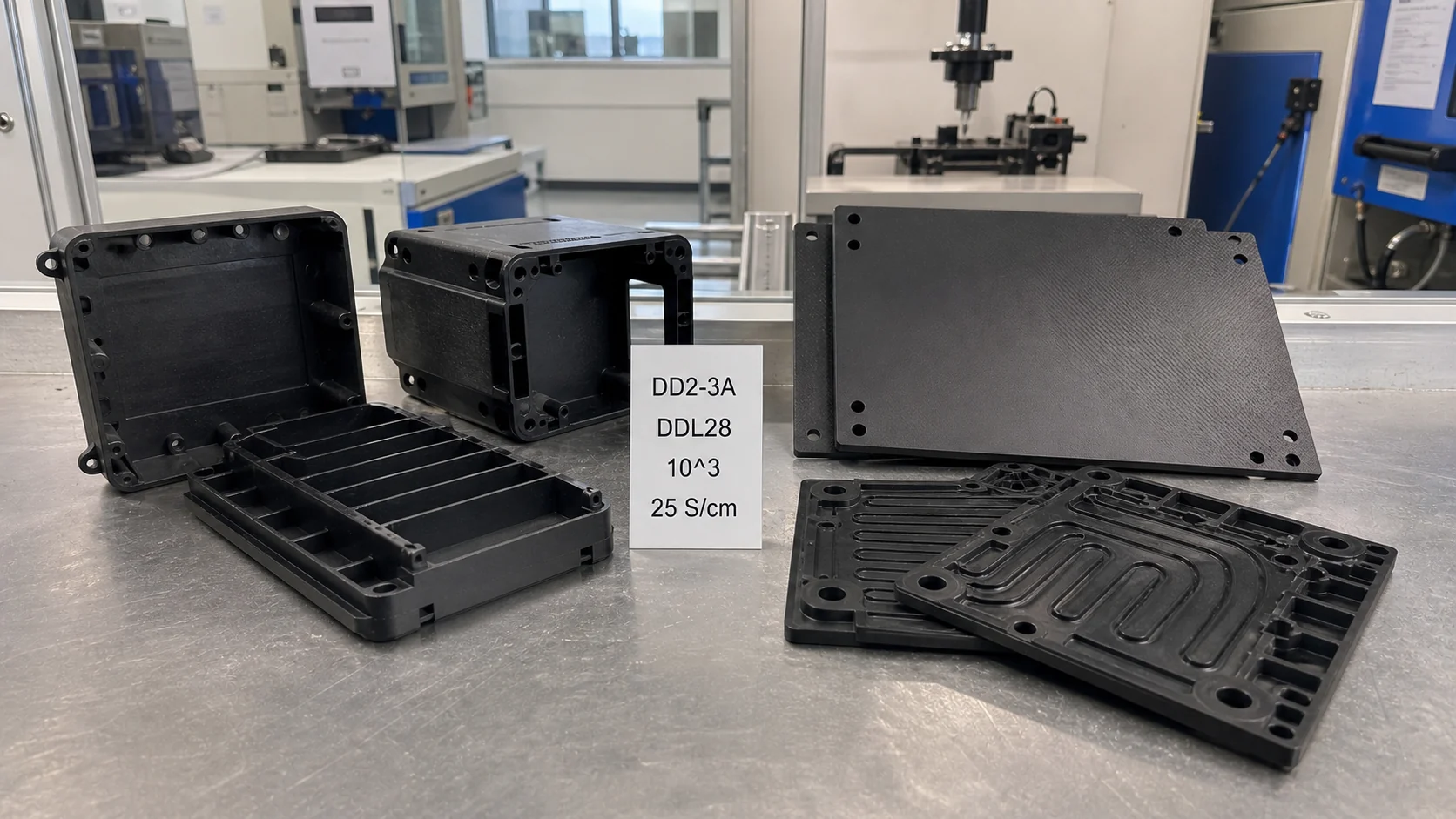 High-Conductive PP vs Conductive PP: Choosing DDL28 or DD2-3A by Current PathChoose DDL28 or DD2-3A by current path, resistance unit, processing method, cost logic and validation route.
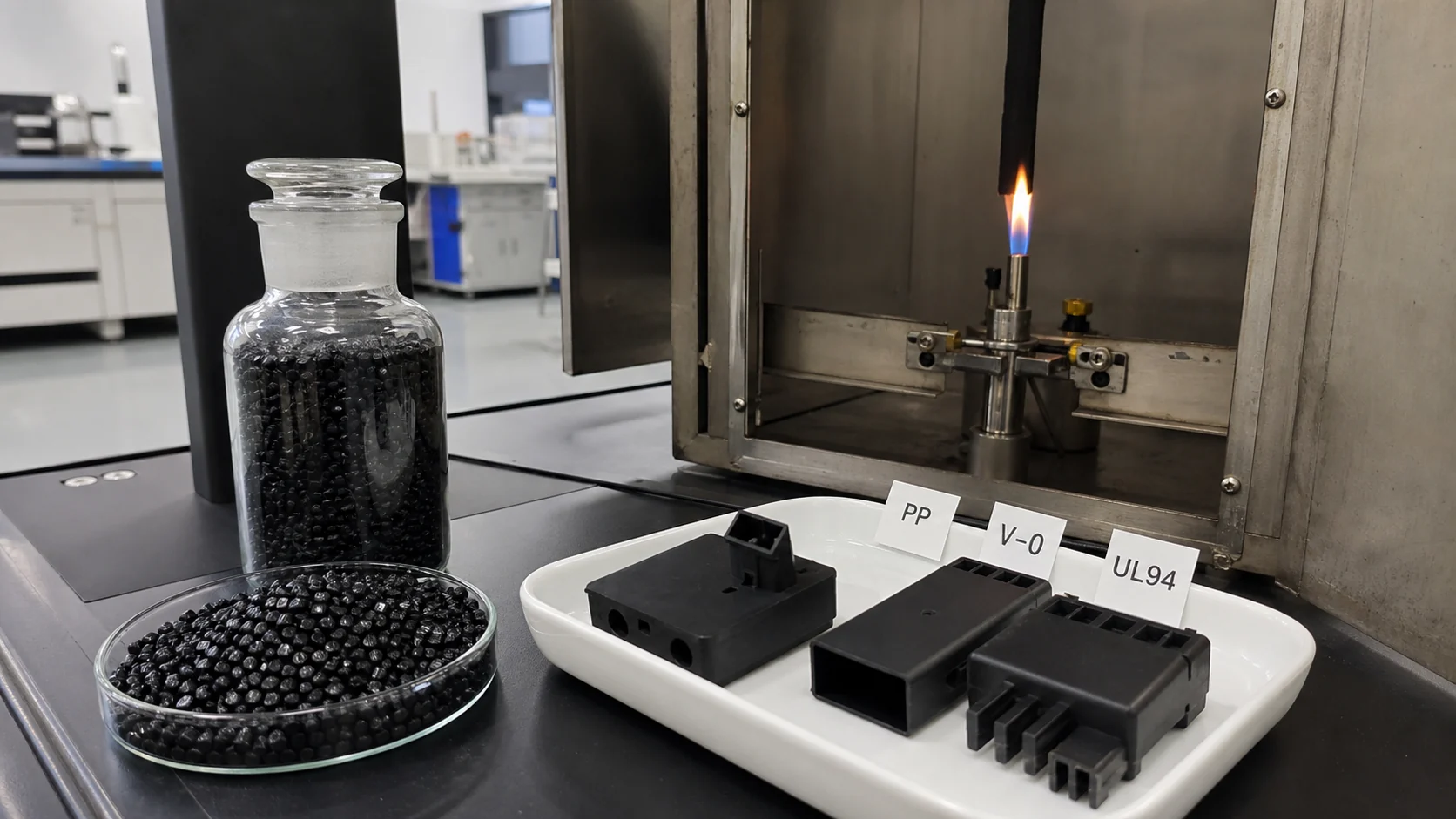 Flame-Retardant Conductive PP: Balancing UL94 V-0 and Stable ConductivityHow conductive networks, intumescent flame retardants, carbon black and CNT routes can be balanced in V-0 conductive PP.
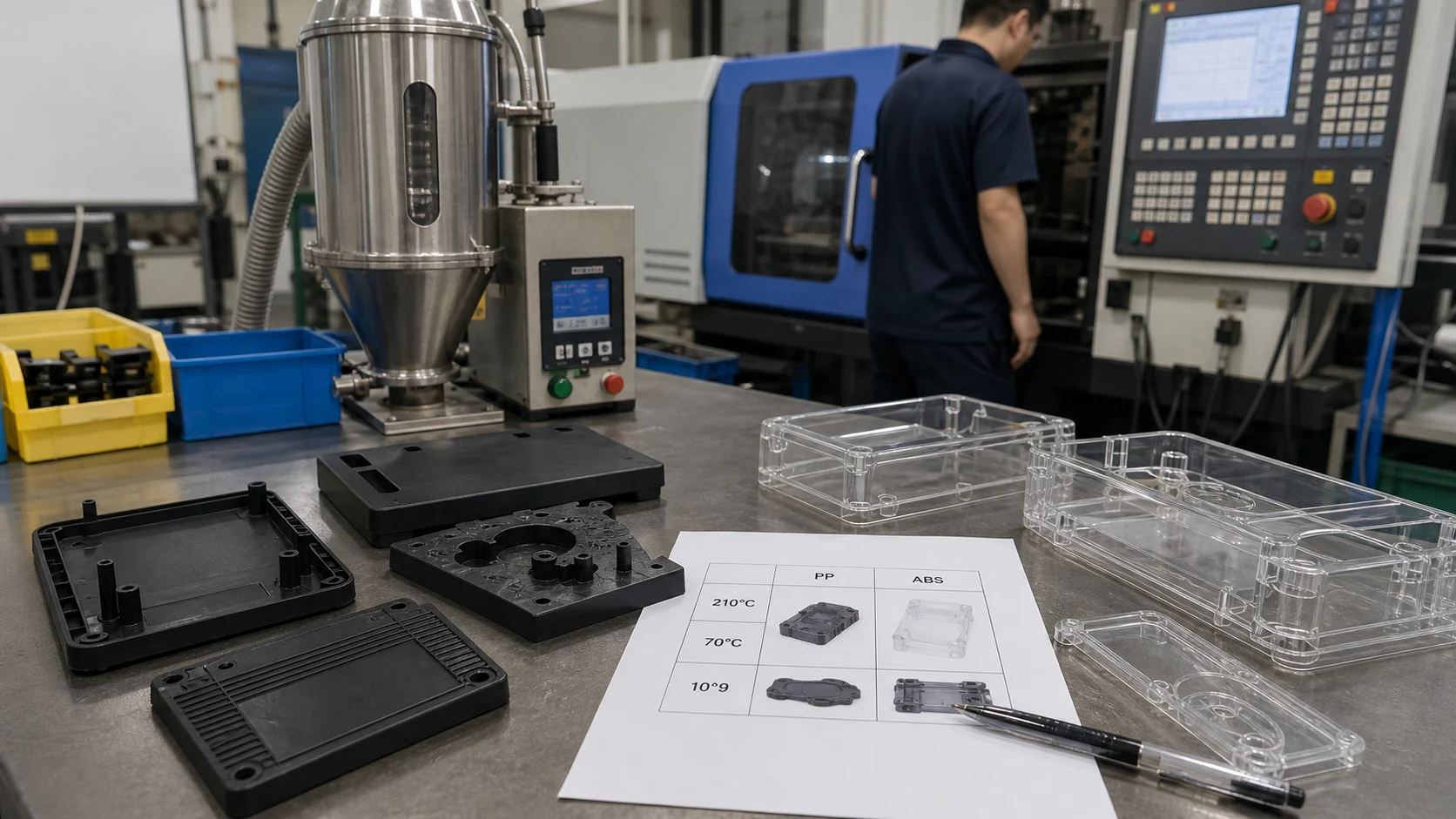 Two Case Studies for Debugging Conductive and Antistatic Plastic Injection Molding ParametersTwo molding cases for conductive PP and transparent antistatic ABS, with enriched DEYU product data and practical debugging matrices.
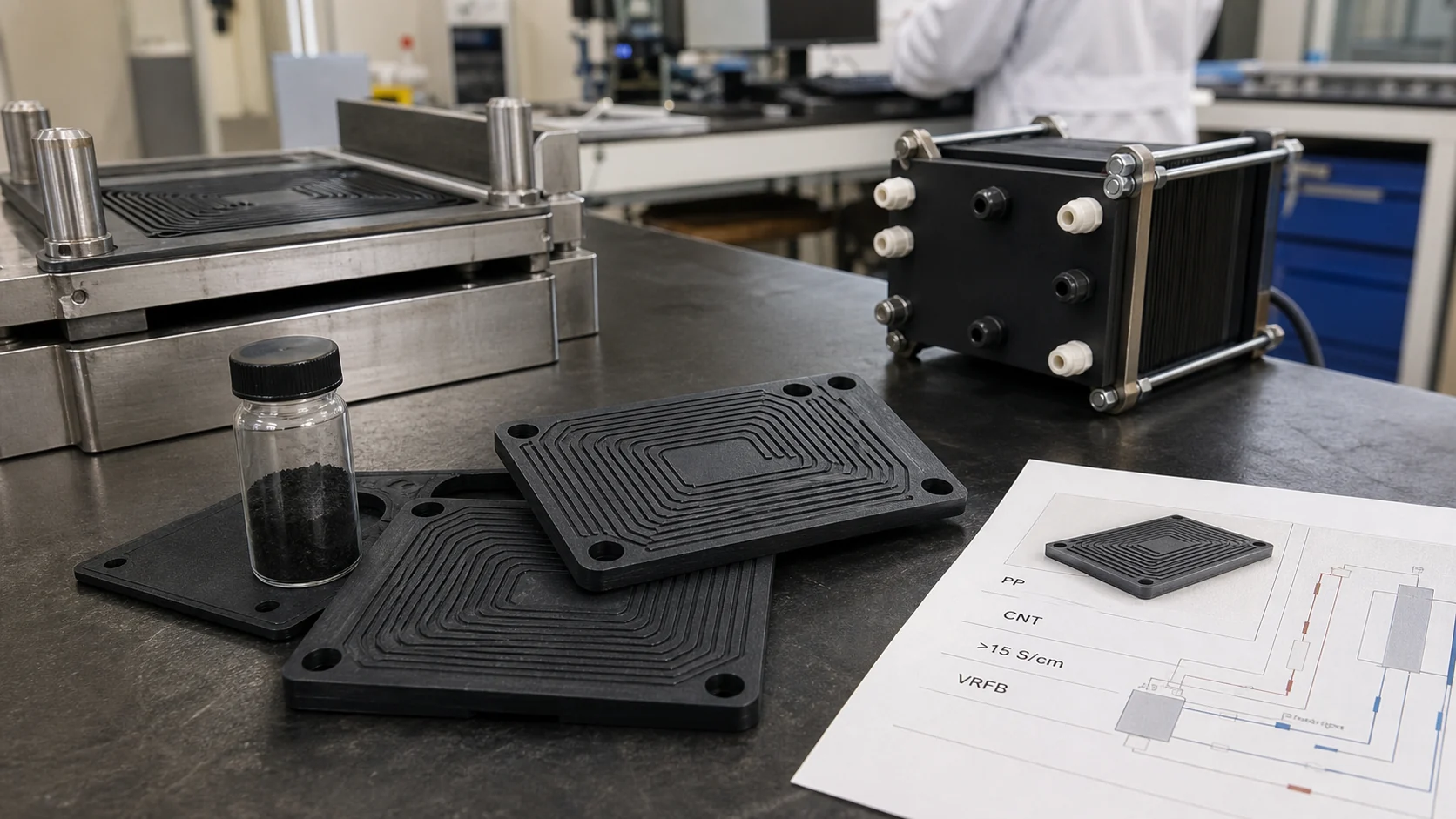 A CNT-Composite PP Molding Method Above 15 S/cm and Cost-per-kWh Calculation for Flow Battery Bipolar PlatesA paper-style method for CNT-composite PP bipolar plates, linking >15 S/cm molded conductivity with flow-battery cost-per-kWh calculation.
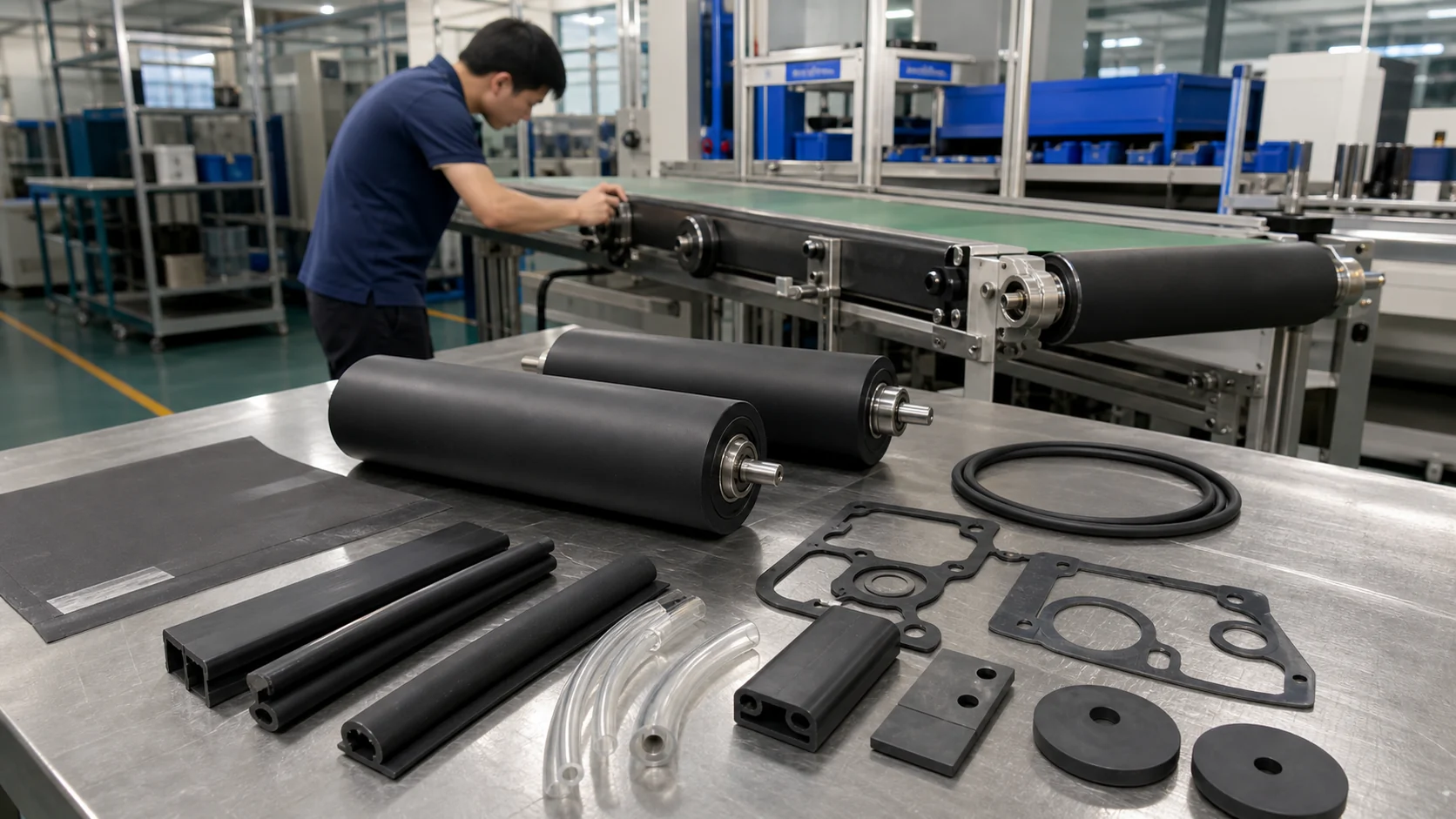 Conductive TPU Compound for Flexible ESD and Wear-Resistant Contact PartsA practical conductive TPU guide for ESD rollers, seals, tubing and wear-resistant flexible contact parts, with filler routes, data and validation logic.
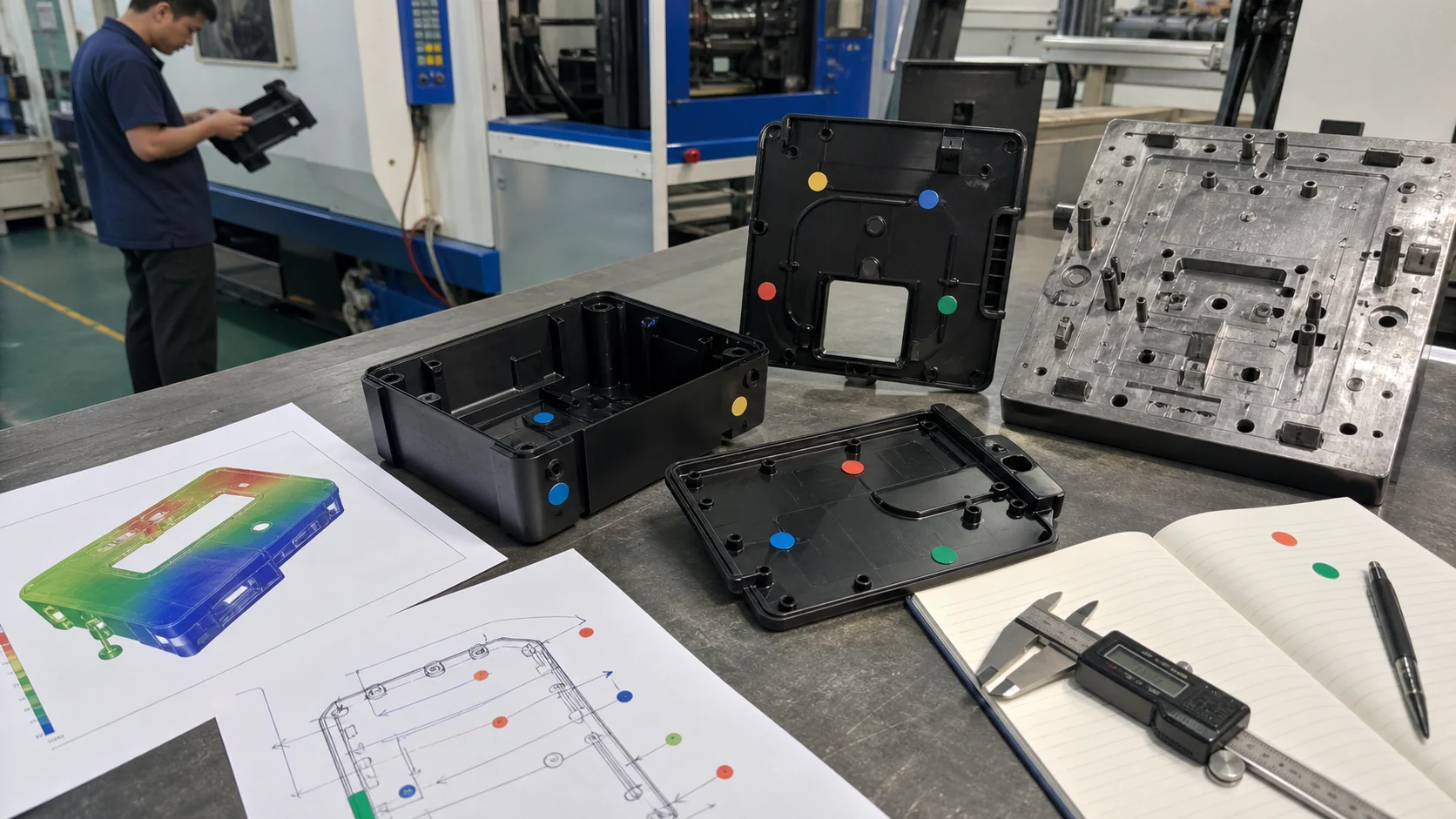 How Wall Thickness and Gate Position Affect Conductive PP Resistance DistributionDesign-focused guide for conductive PP molded parts, covering wall thickness, gate location, weld lines, skin-core structure and resistance mapping.
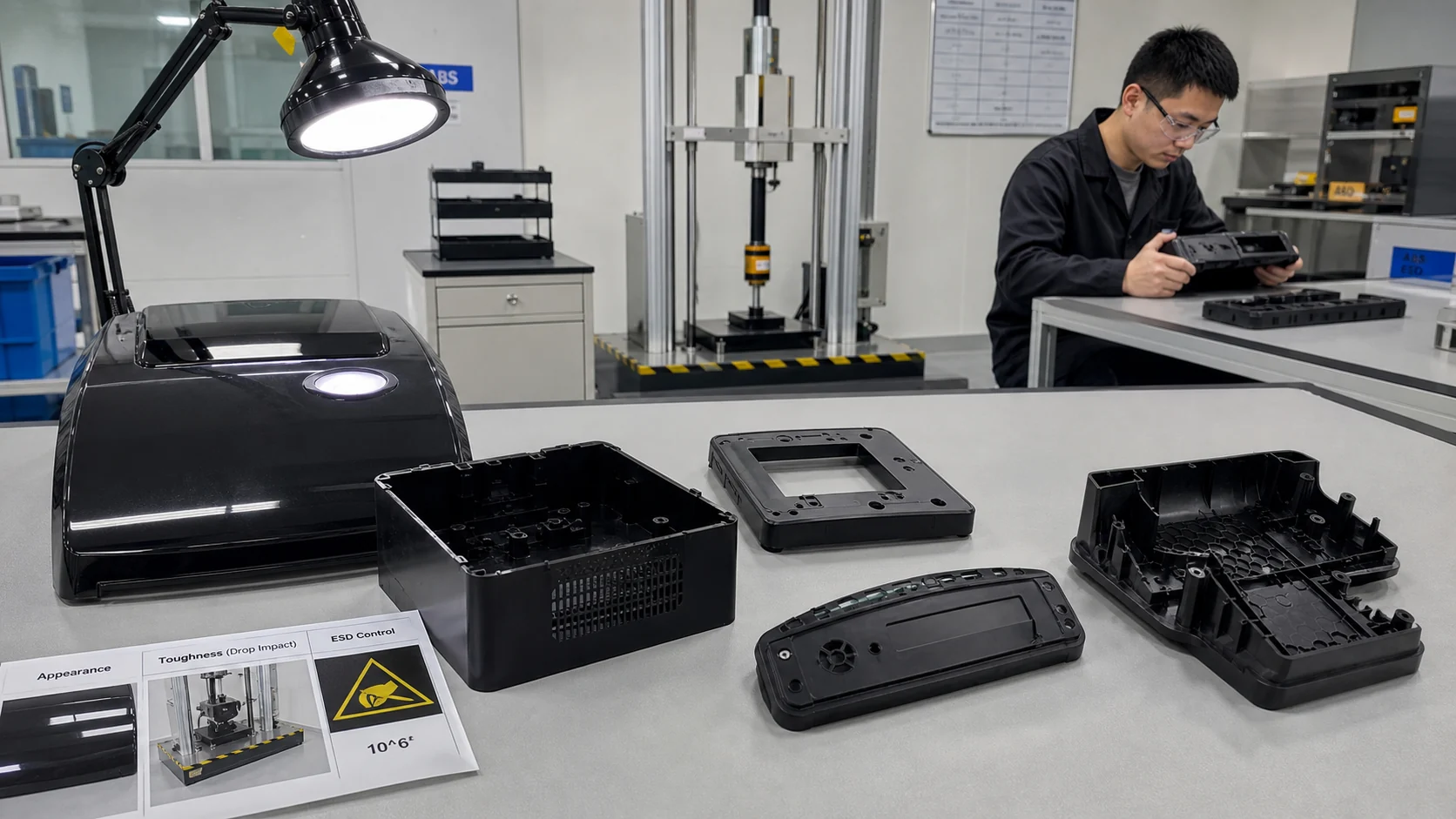 Conductive ABS for Equipment Housings: Appearance, Toughness and ESD ControlSelection guide for conductive ABS housings, comparing carbon black, graphite and carbon fiber ABS platforms with appearance, toughness, ESD and validation data.
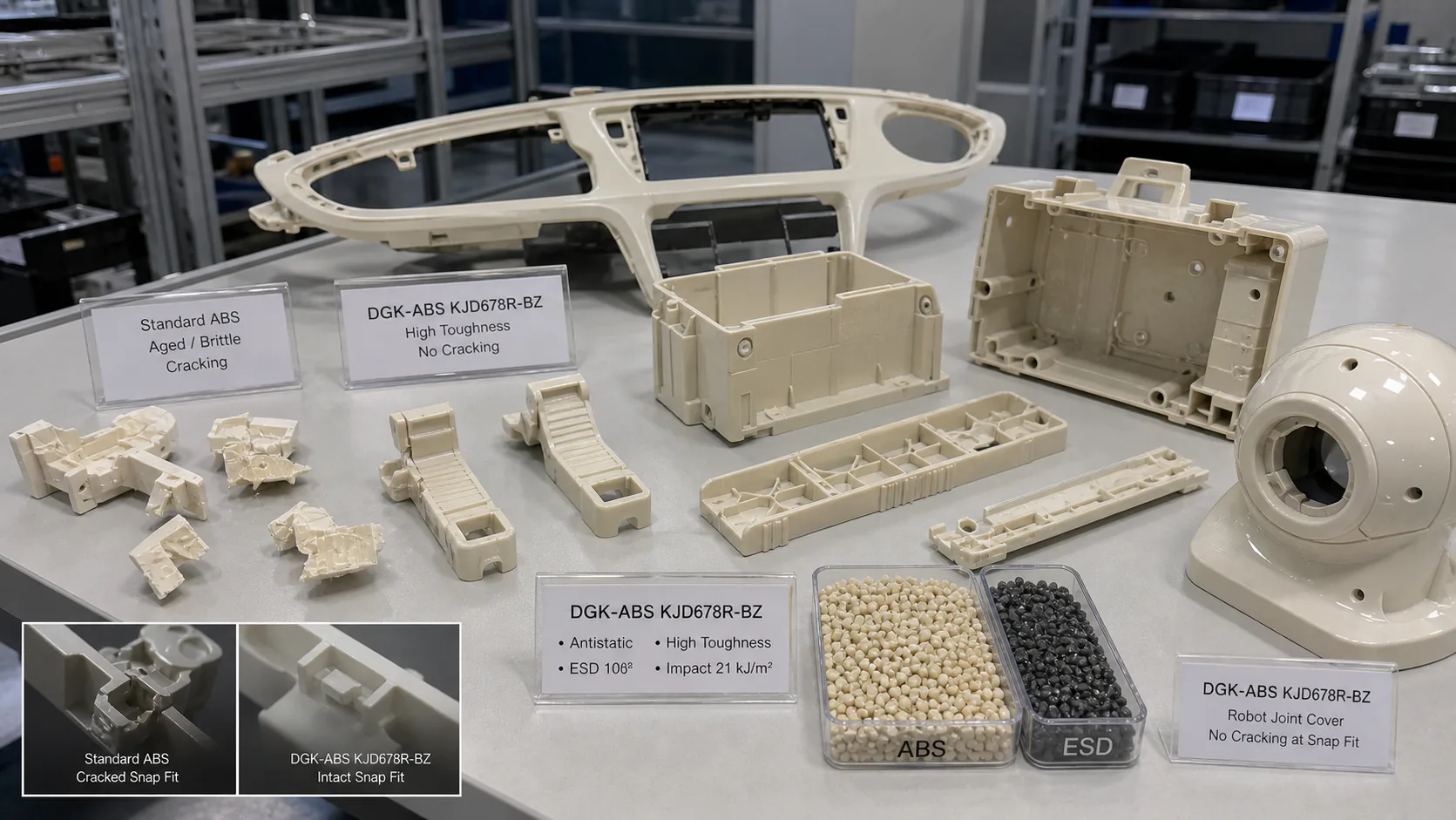 The Toughness Dilemma of Antistatic ABS: When ESD Performance Starts to Mean CrackingWhy antistatic ABS becomes brittle, how DGK-ABS KJD678R-BZ balances ESD and toughness, and three molding cases for printer brackets, robot covers and automotive trim.
 Transparent Antistatic Plastic for Packaging Boxes: Injection Molding Process and Key PointsDrying, process window, mold design, defect diagnosis and quality control for DGK-ABS KJD890TM transparent antistatic ABS used in IC trays, wafer boxes and electronic packaging.
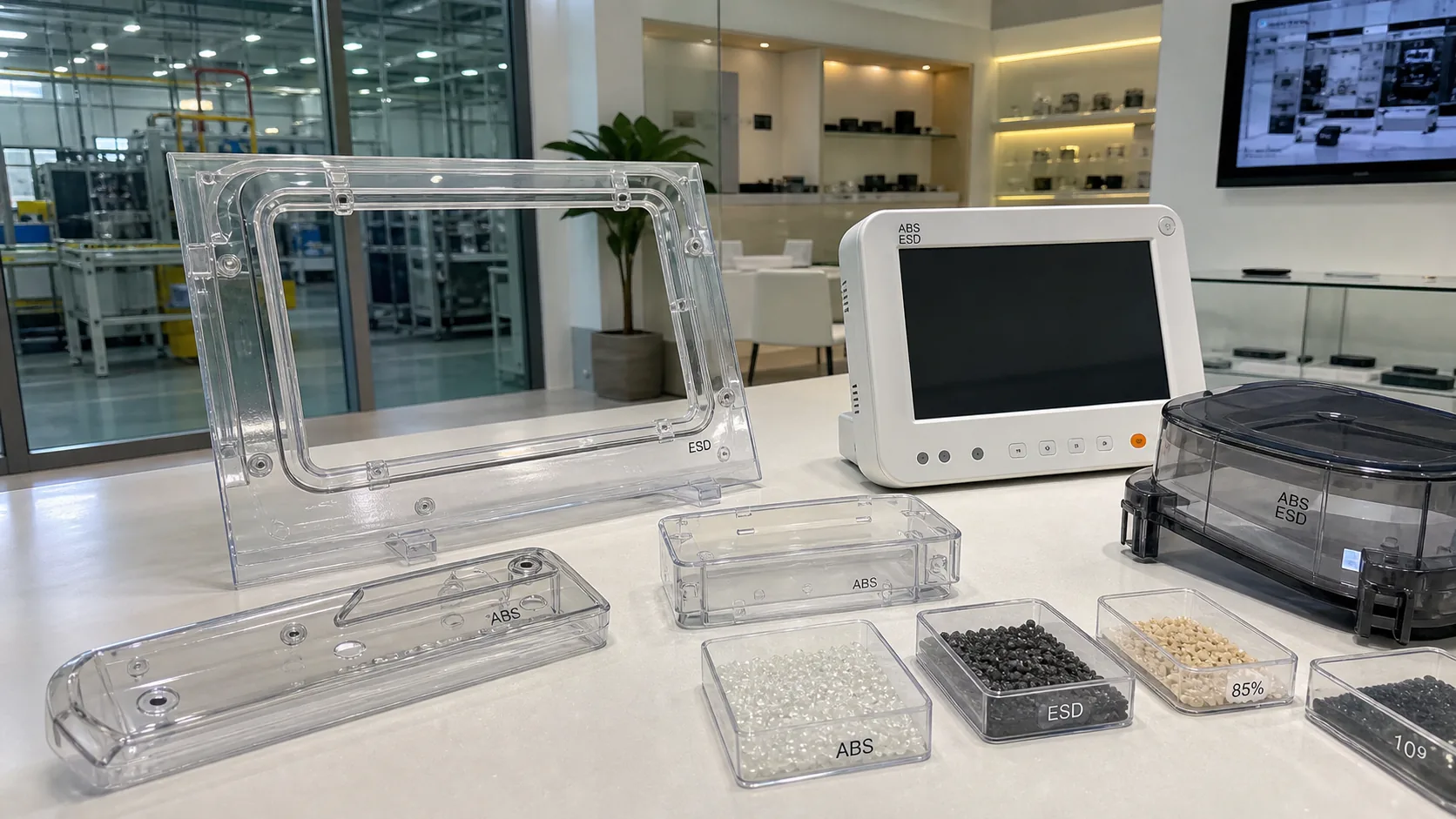 How Transparent Antistatic Materials Balance Clarity and Permanent ESD PerformanceTechnical principle, molding tuning and case data for transparent antistatic ABS in AOI windows, medical panels and robot vacuum dust bins.
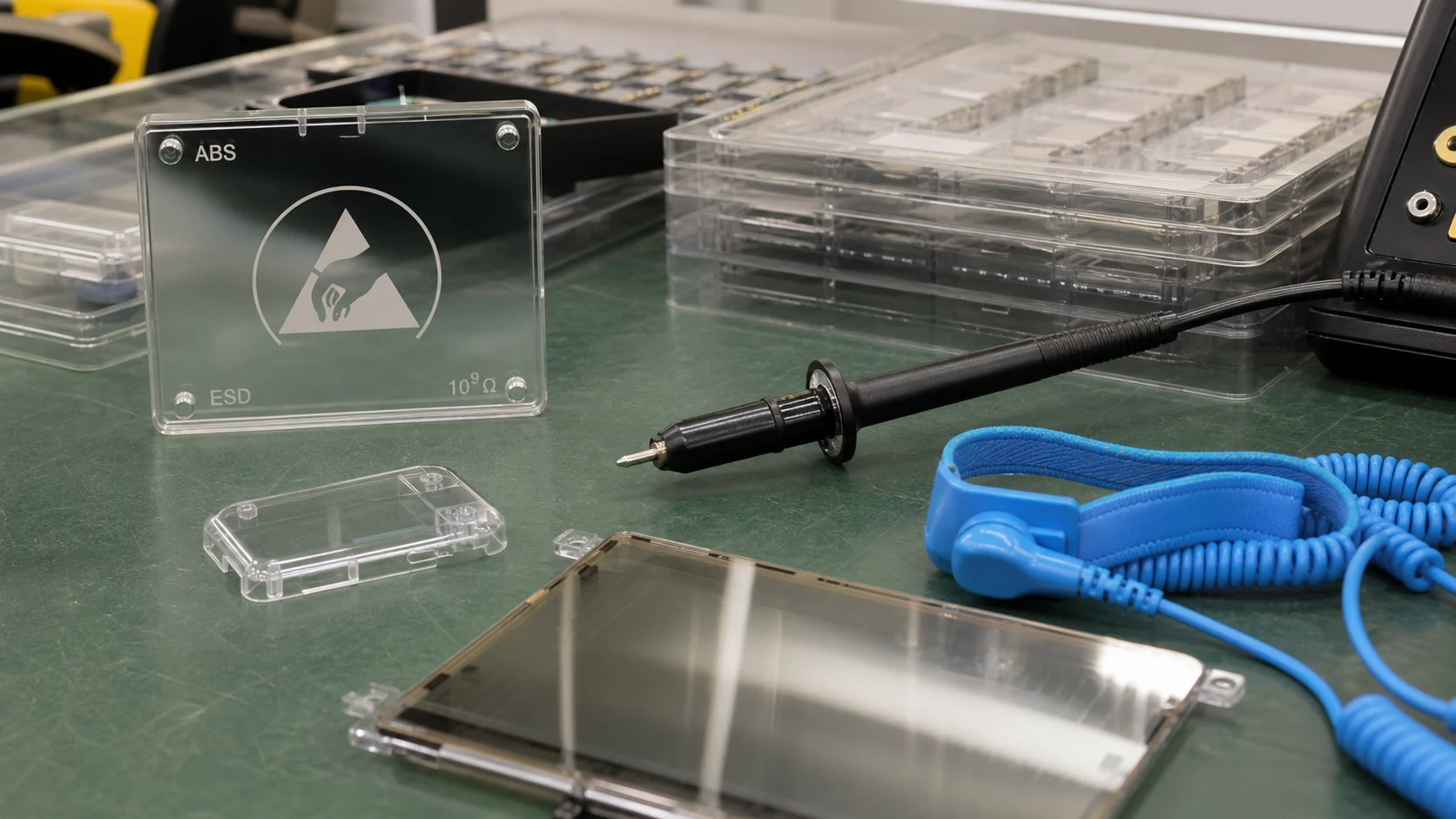 20 Typical Application Areas for DGK-ABS KJD890TM Transparent Antistatic ABSTwenty application fields for transparent antistatic ABS, including semiconductor trays, SMT carrier parts, medical panels, lab covers, appliance dust boxes and explosion-proof windows.
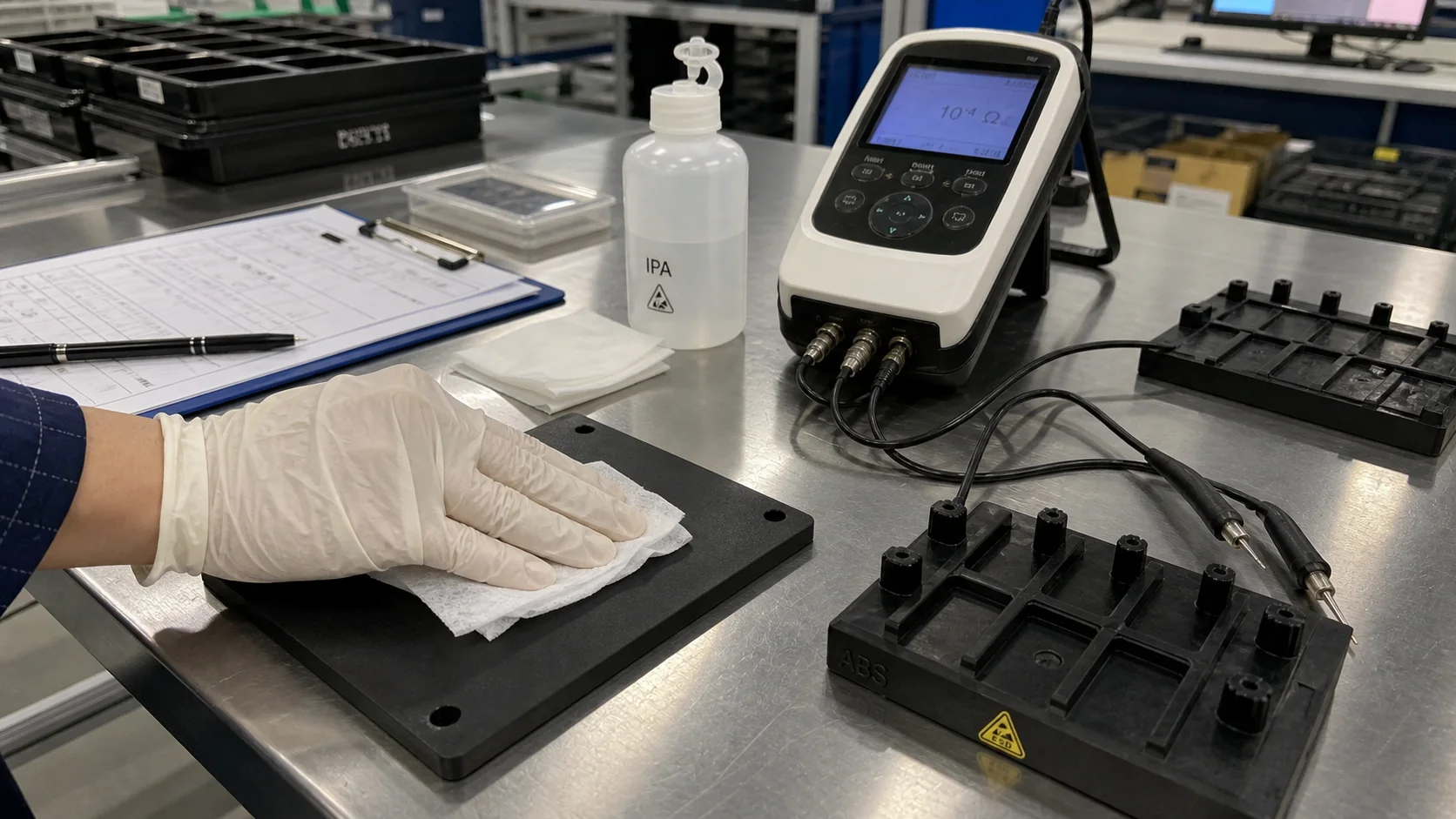 Why Conductive ABS Surface Resistance Changes After Cleaning or AbrasionRoot-cause and validation guide for conductive ABS surface resistance drift after cleaning, residue films or abrasion, with permanent conductive filler solutions.
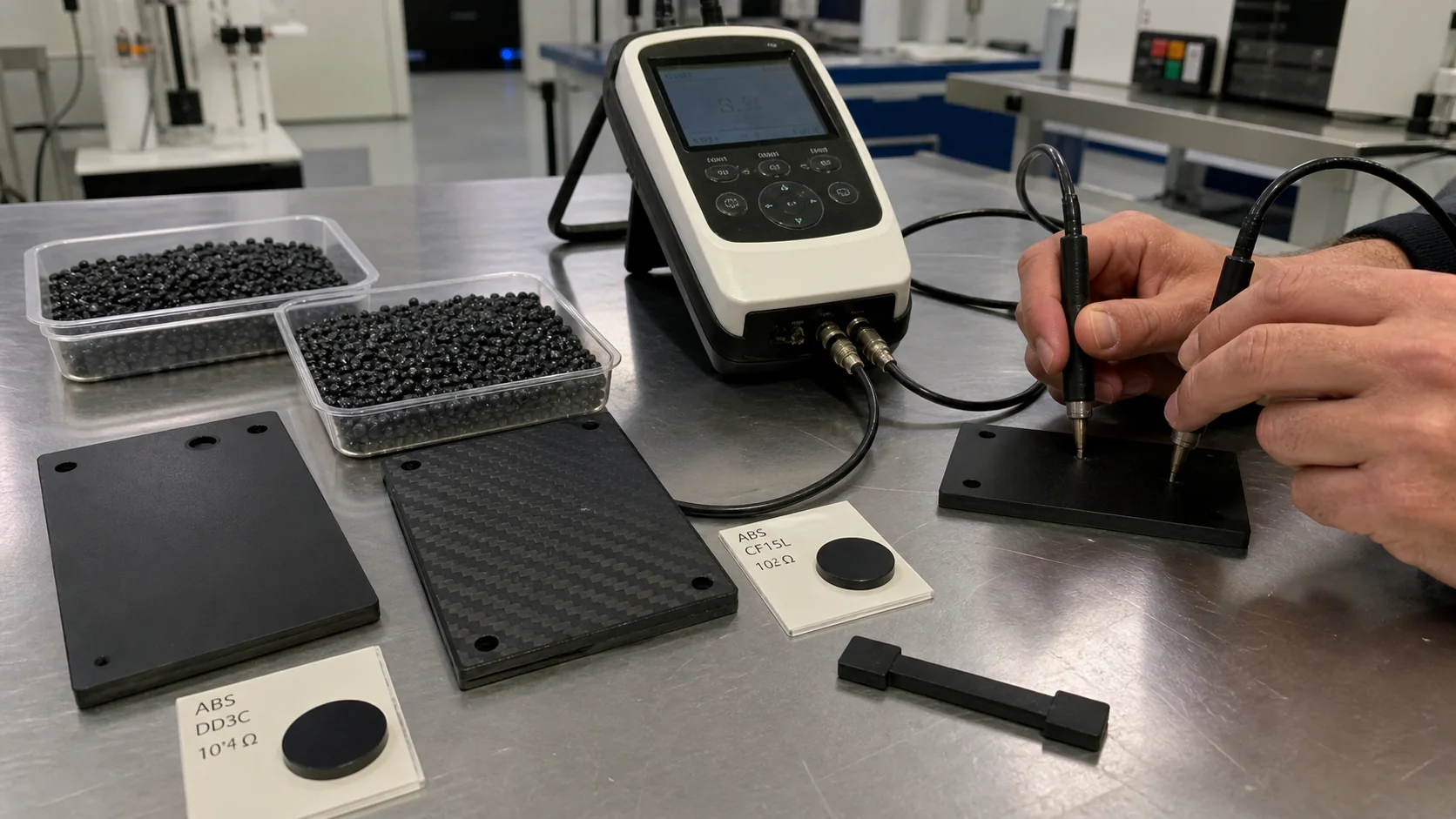 Graphite Conductive ABS vs Carbon-Fiber Conductive ABS: How to ChooseSelection guide comparing graphite conductive ABS DD3C and carbon-fiber conductive ABS CF15L, with resistivity, stiffness, processing, cost and validation data.
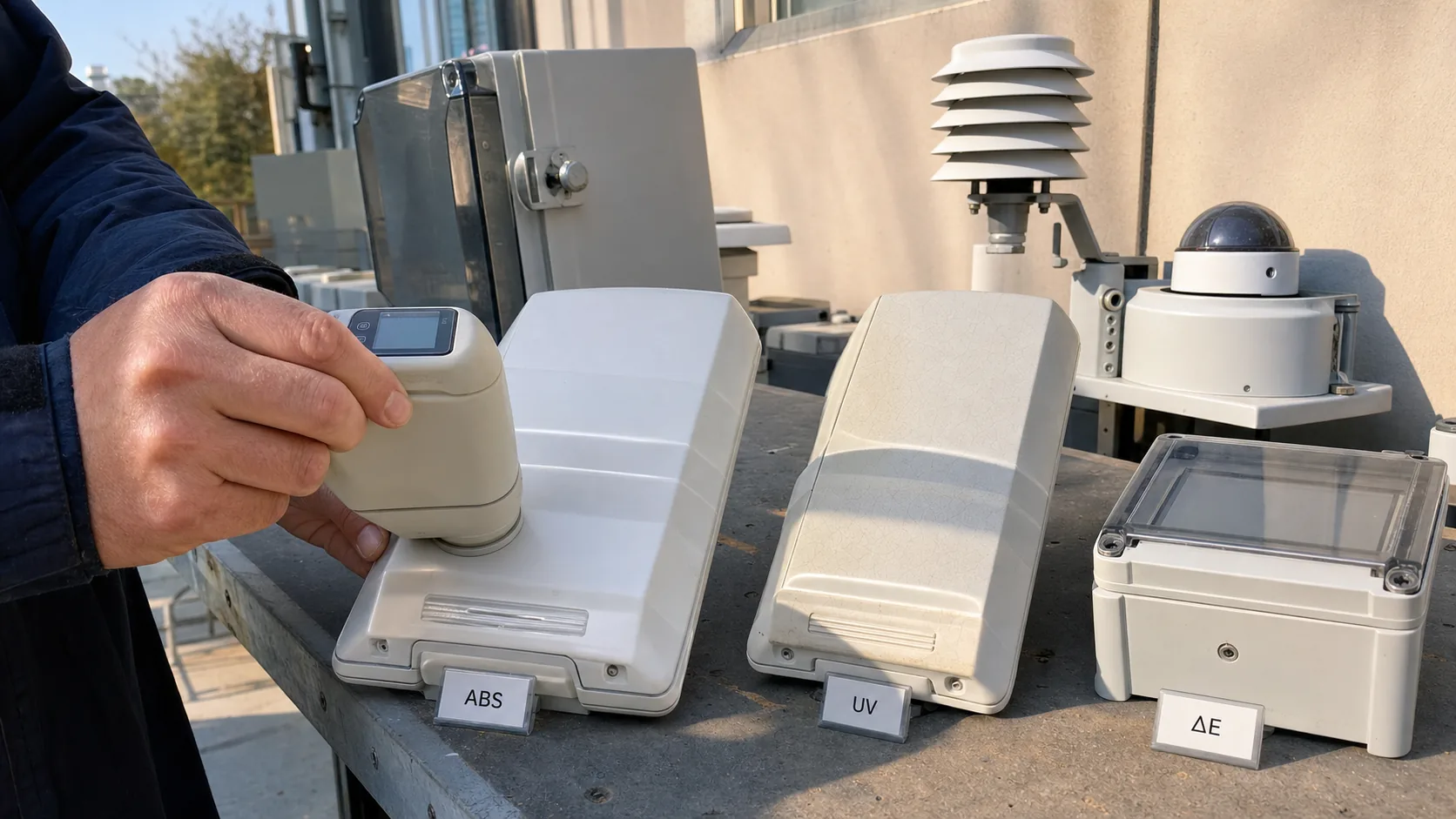 Weather-Resistant ABS for Outdoor Device Housings and Appearance PartsApplication case for UV-stabilized ABS outdoor housings, covering yellowing, chalking, impact retention, HALS/UVA stabilization and validation data.
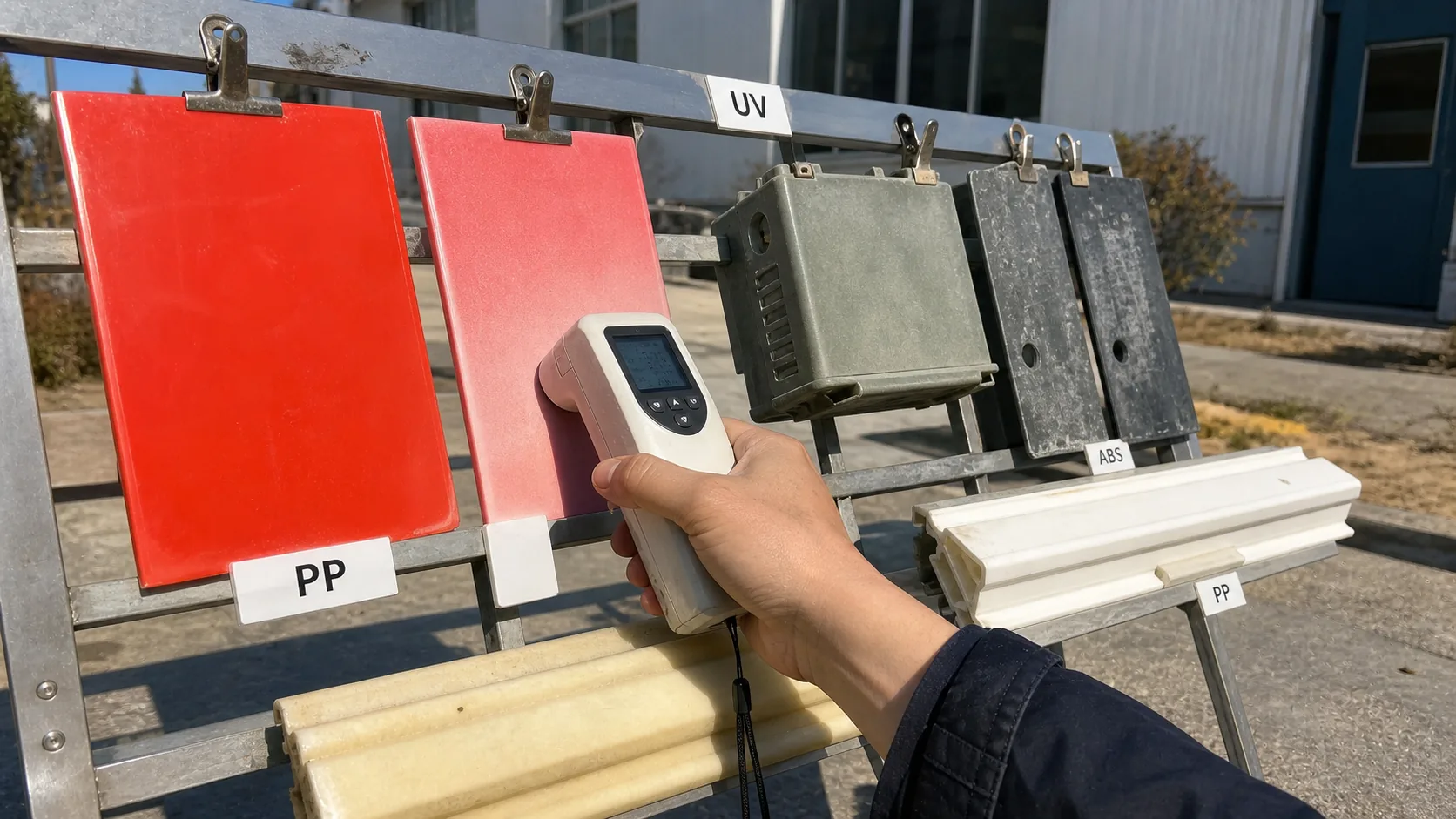 Why Do Outdoor Plastic Parts Fade After Sunlight Exposure?A UV problem-solving guide explaining why outdoor plastic parts fade, yellow and chalk, with pigment selection, UVA/HALS stabilization and QUV / ΔE validation tables.
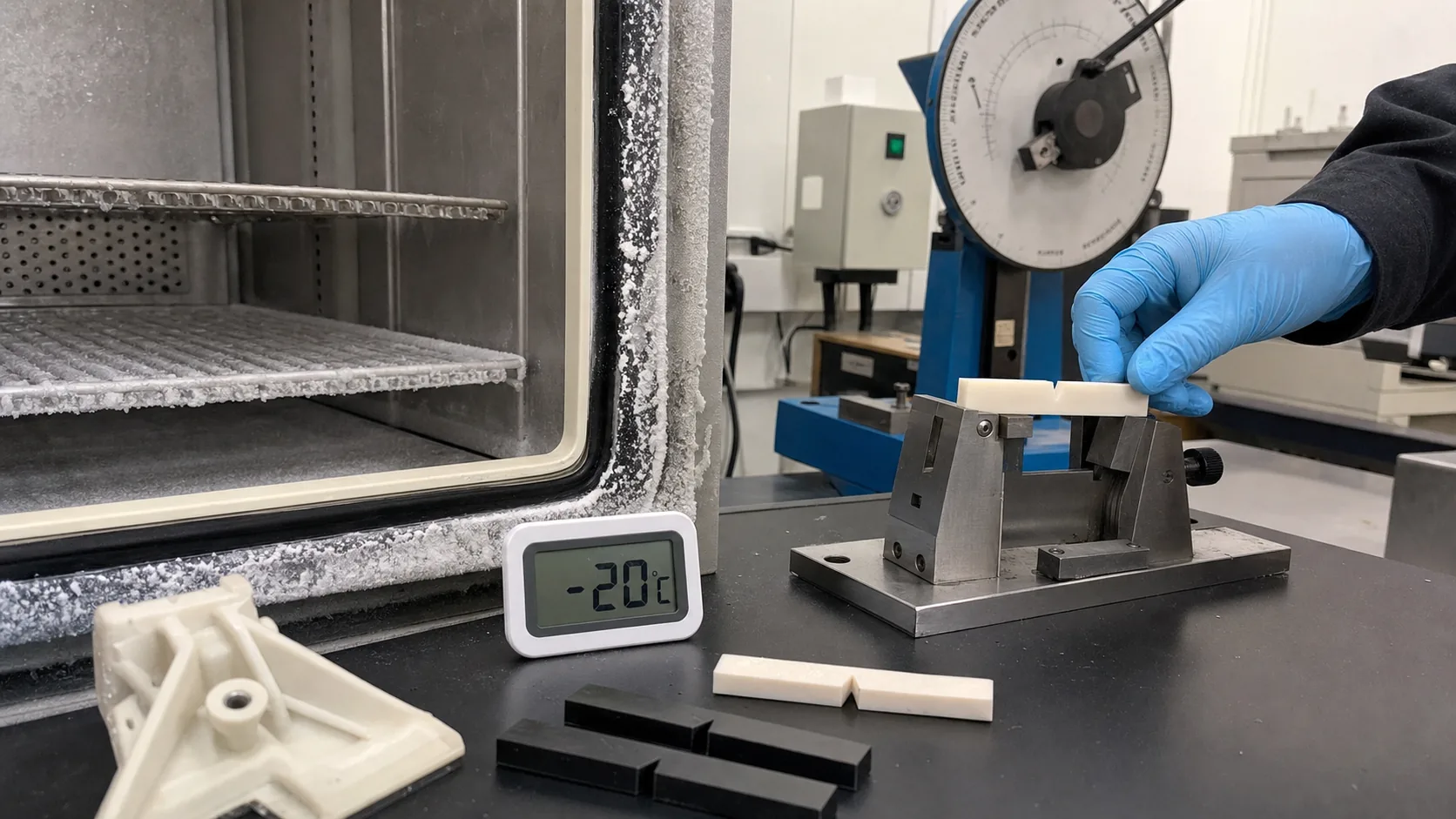 Impact Strength vs Low-Temperature Toughness: What Buyers Should KnowSelection guide explaining why 23°C impact data cannot replace low-temperature toughness data, with ductile-brittle transition logic and cold-service validation requirements.
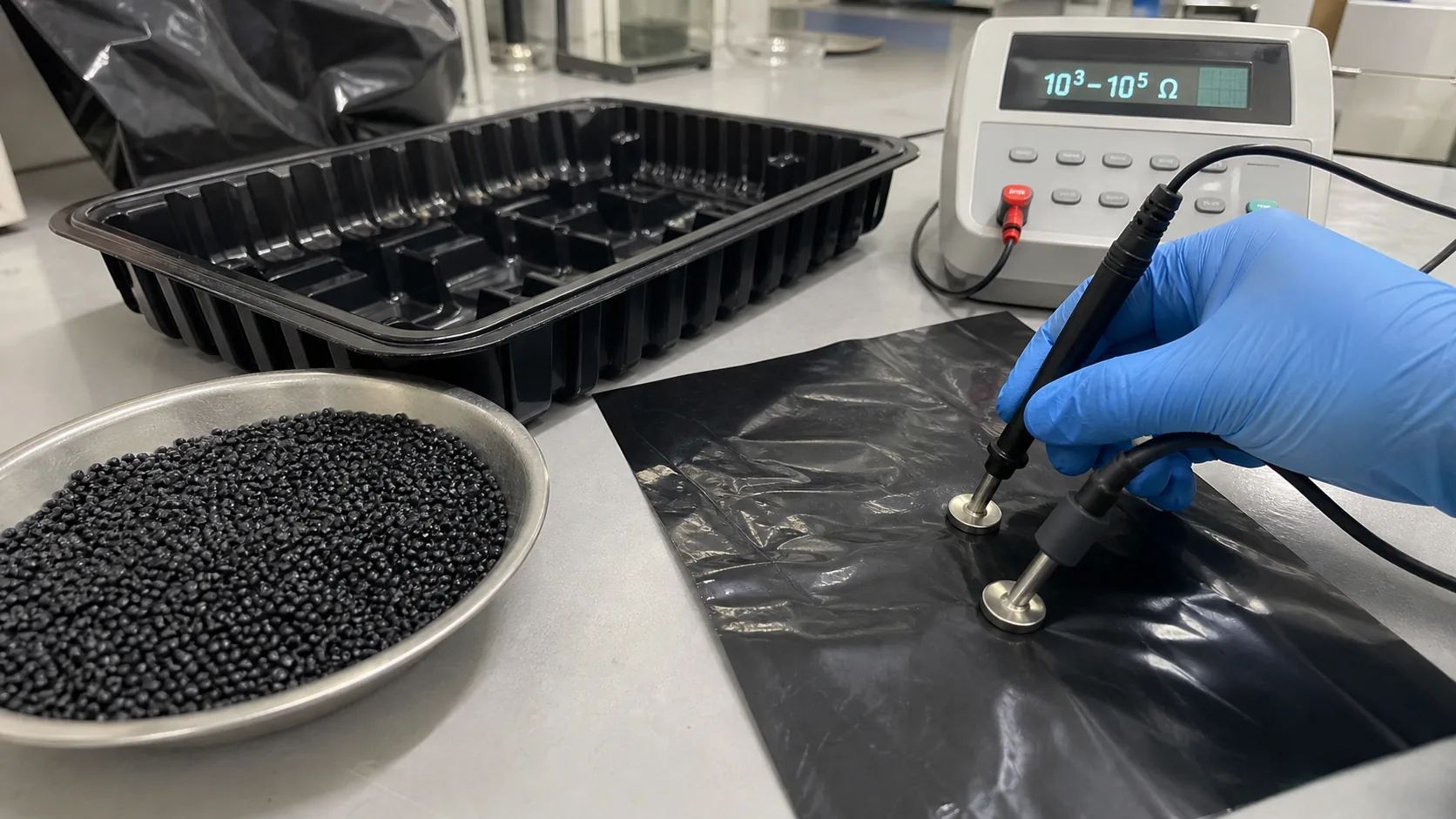 DGK-LDPE DD4-5 Conductive PE Data Sheet: 10³-10⁵ Ω Surface ResistanceA COA and validation-data interpretation for DGK-LDPE DD4-5 conductive PE, covering 10³-10⁵ Ω resistance, processing, film extrusion and ESD packaging trials.
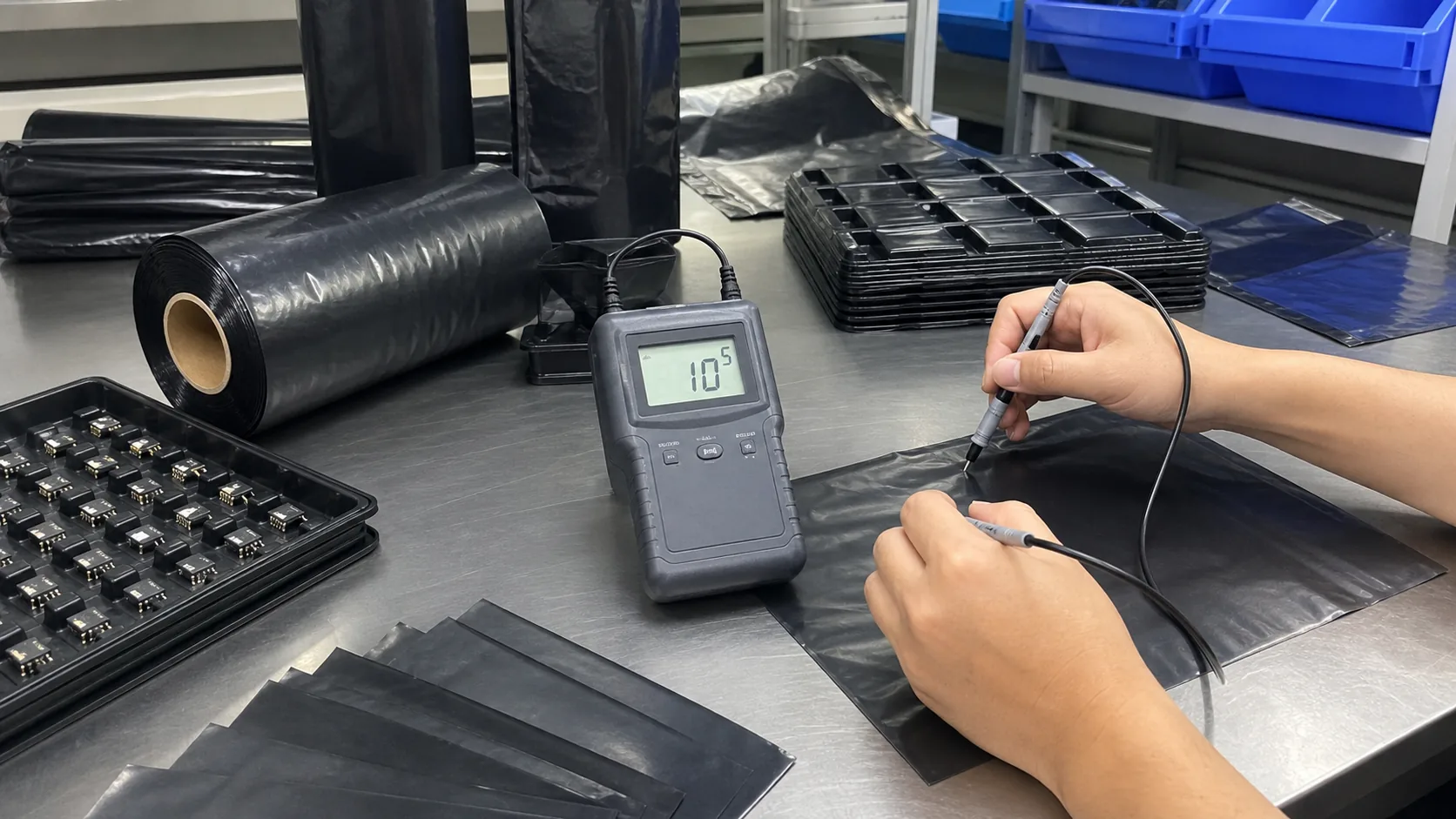 Conductive LDPE / PE Compounds for ESD Films, FIBC Liners and Thermoformed TraysMaterial selection for conductive LDPE and PE packaging compounds, covering ESD films, FIBC liners, thermoformed trays, filler routes, process windows and validation.
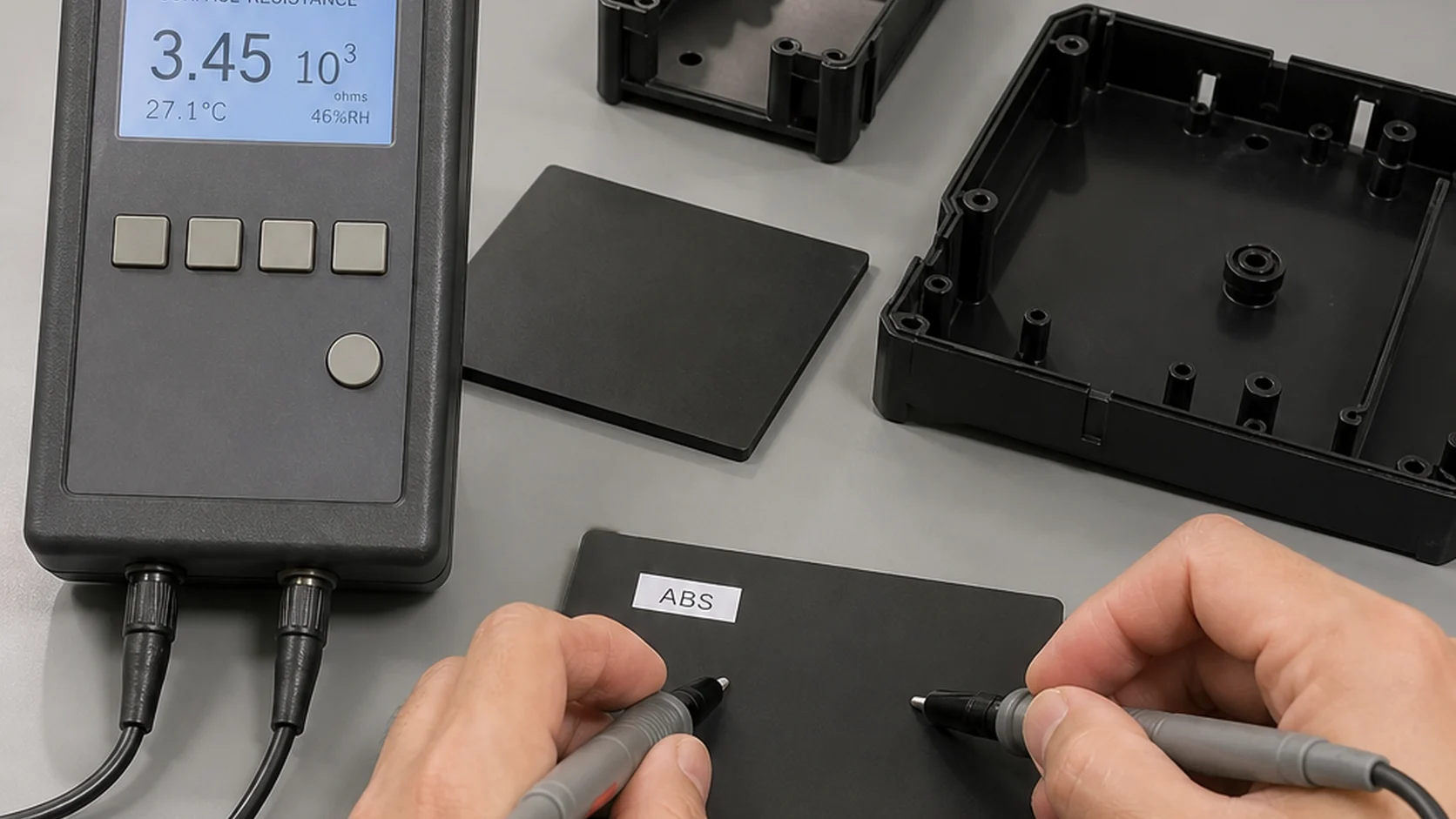 DGK-ABS DD3C Data Sheet Interpretation for Stable Surface ResistanceA COA and data-sheet interpretation for DGK-ABS DD3C, covering surface resistance, graphite filler logic, mechanical data, processing and validation.
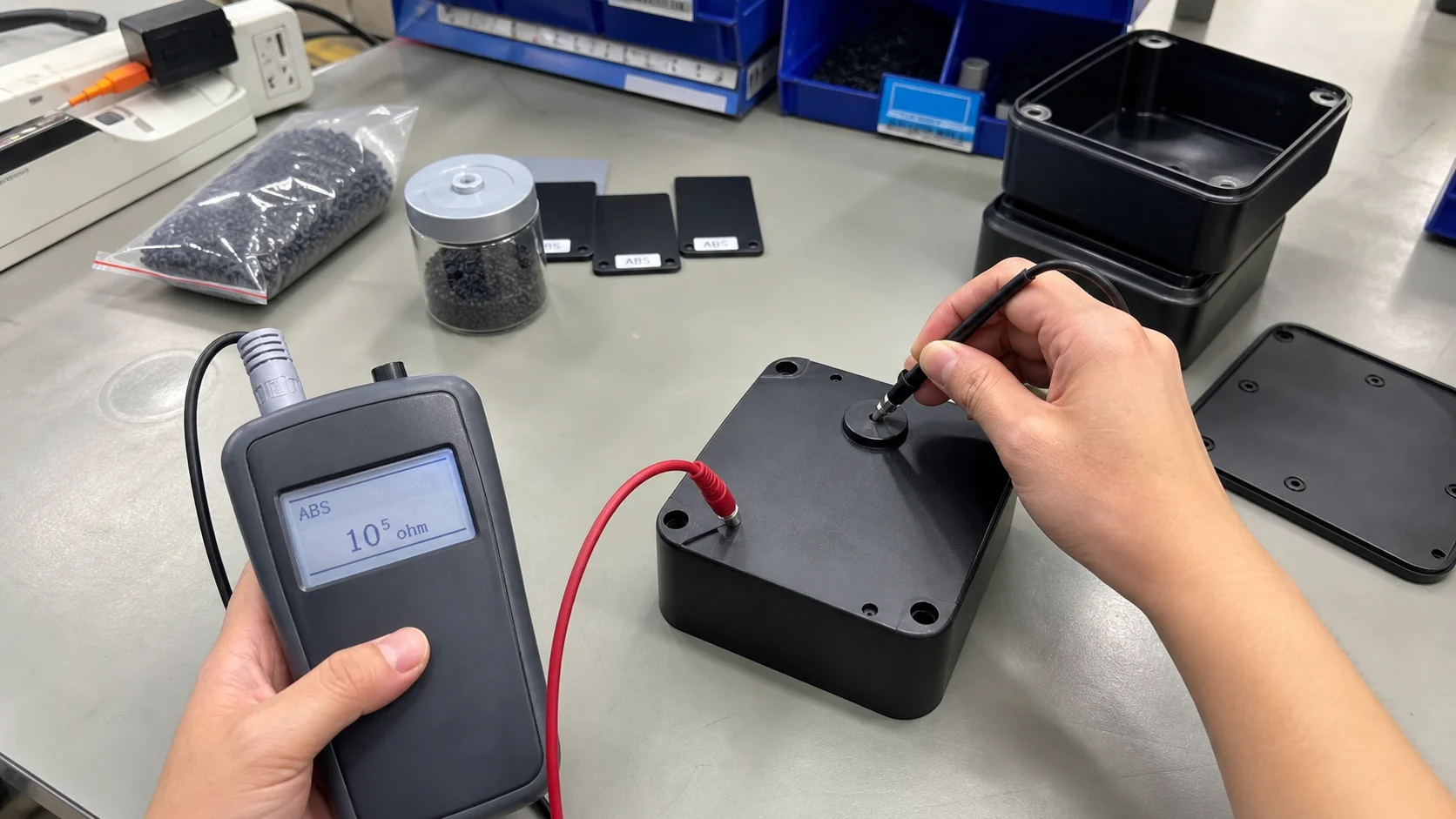 Conductive ABS Compound for ESD Housings, Covers and FixturesA technical guide to conductive ABS compounds for ESD housings, covers and fixtures, covering filler routes, product data, validation results and processing guidance.
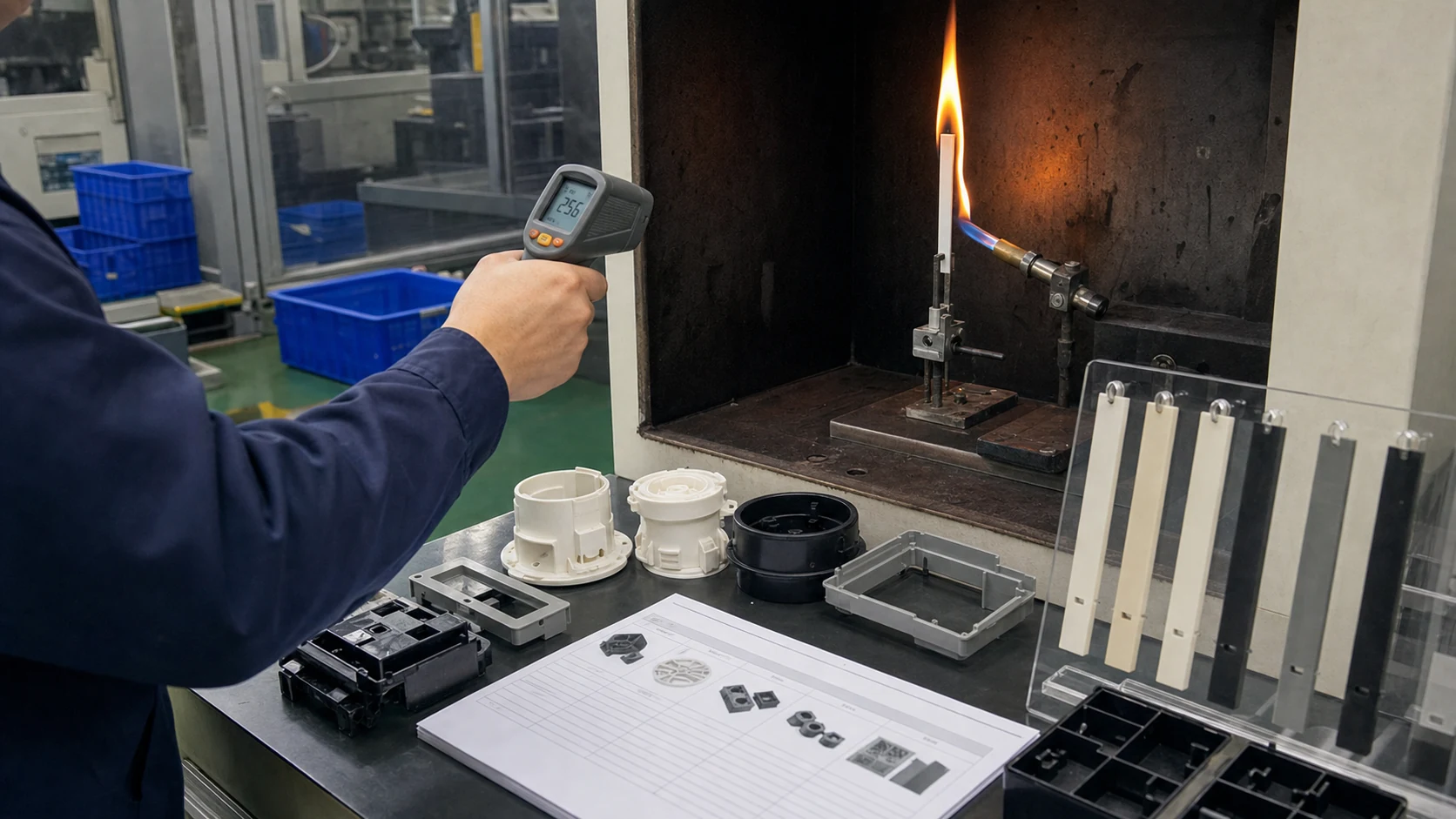 Flame-Retardant Plastics Selection Guide: PP, ABS, PC/ABS, PA66 and PBTA full selection guide comparing flame-retardant PP, ABS, PC/ABS, PA66 and PBT across UL94 targets, halogen-free routes, mechanics, processing and application fit.
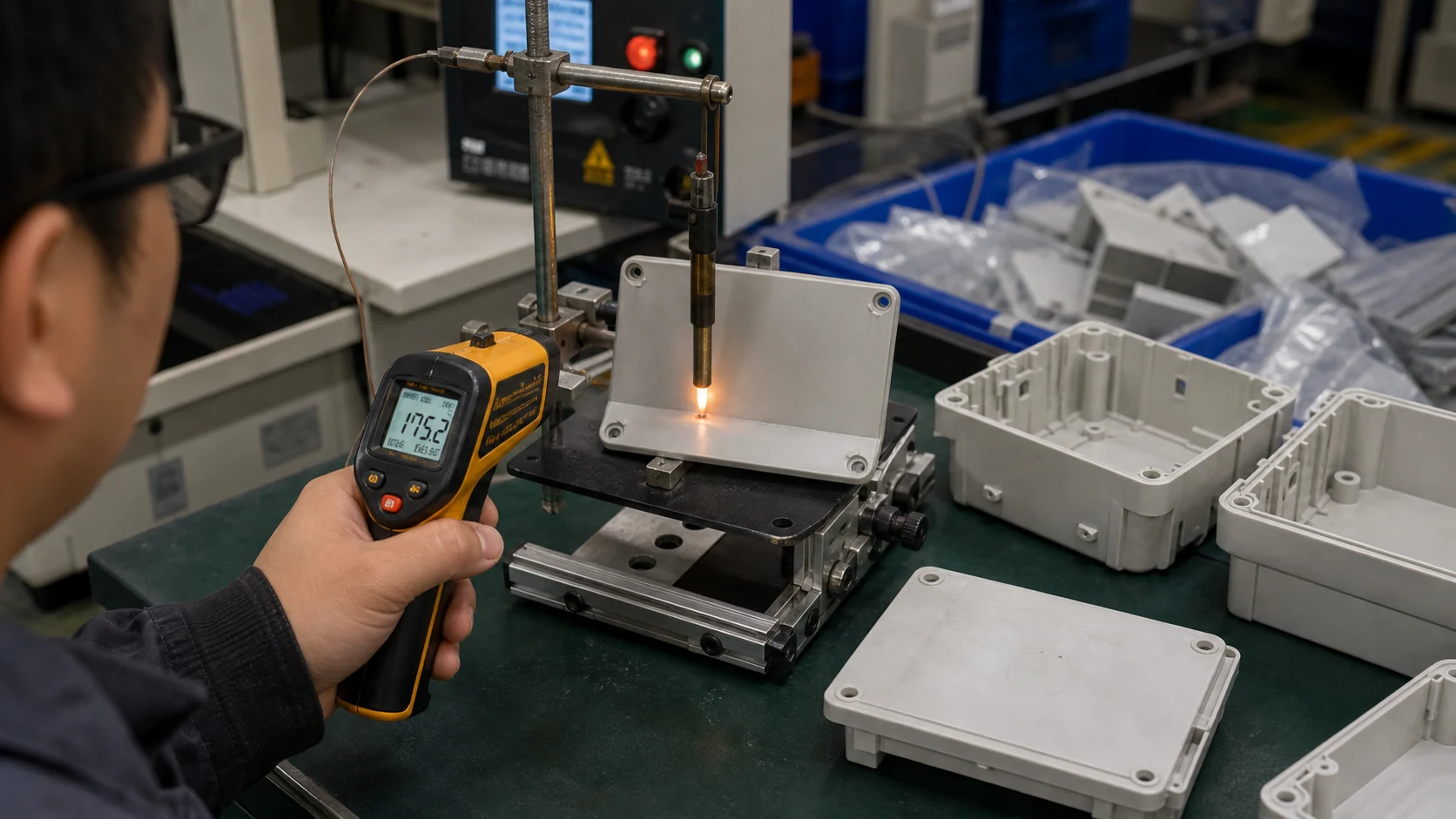 Flame-Retardant PP for Electrical Junction Boxes and CoversAn application-focused guide for flame-retardant PP in electrical junction boxes and covers, covering UL94 V-0, glow-wire testing, CTI, molding and validation data.
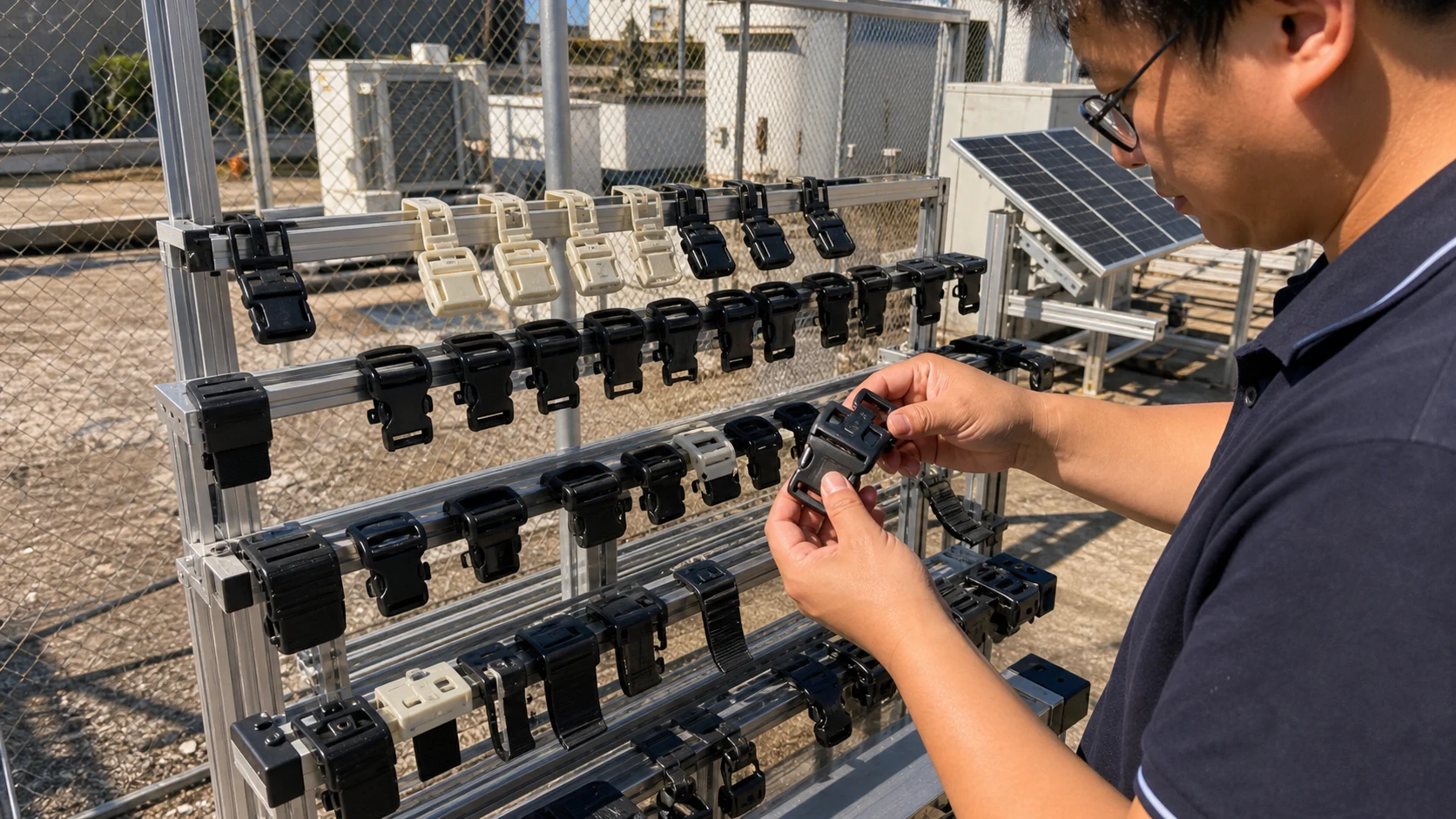 UV-Resistant PP for Outdoor Buckles, Clips and Fastening PartsA practical material-selection guide for UV-stabilized PP in outdoor buckles, clips and fastening parts exposed to sunlight, temperature cycling and repeated mechanical stress.
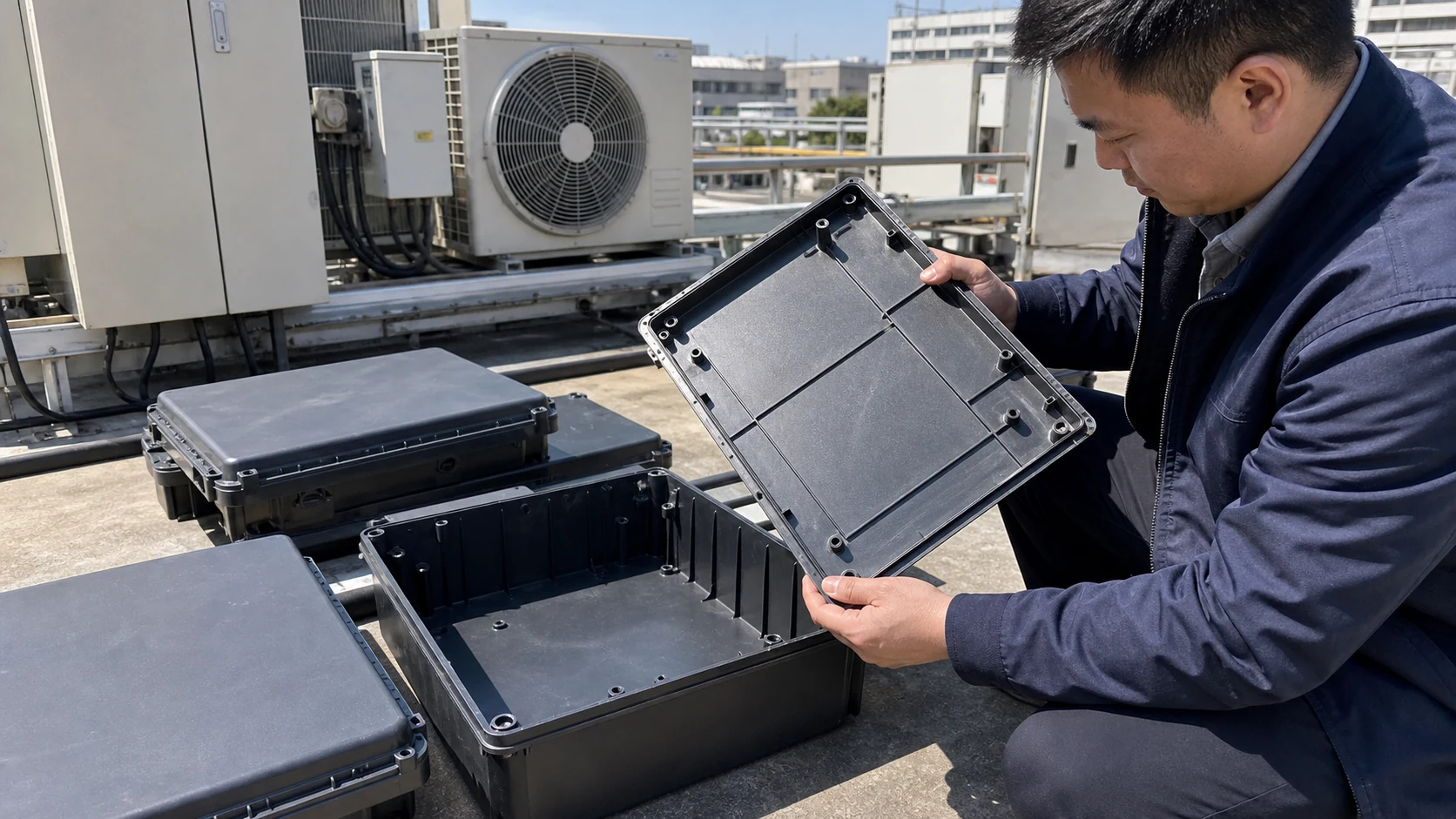 Weather-Resistant PP for Outdoor Equipment Covers and Industrial HousingsA PP compound selection guide for outdoor equipment covers and industrial housings that need weatherability, rigidity, heat resistance and stable molded-part performance.
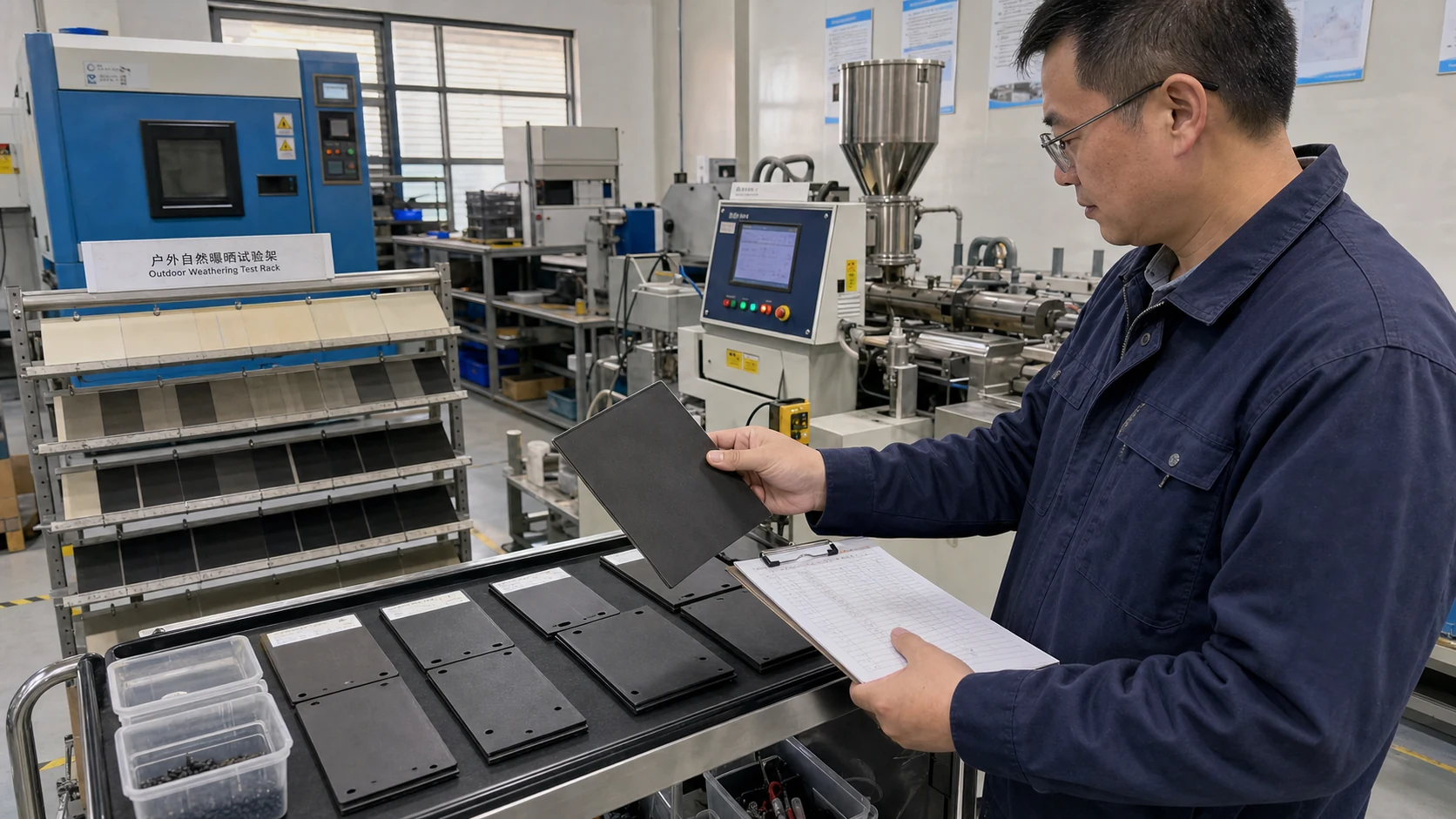 UV Absorber and HALS Systems in Weather-Resistant Plastic CompoundsA technical route guide explaining how UV absorbers and HALS work together in weather-resistant plastic compounds, with mechanisms, synergy, dosage guidance and validation logic.
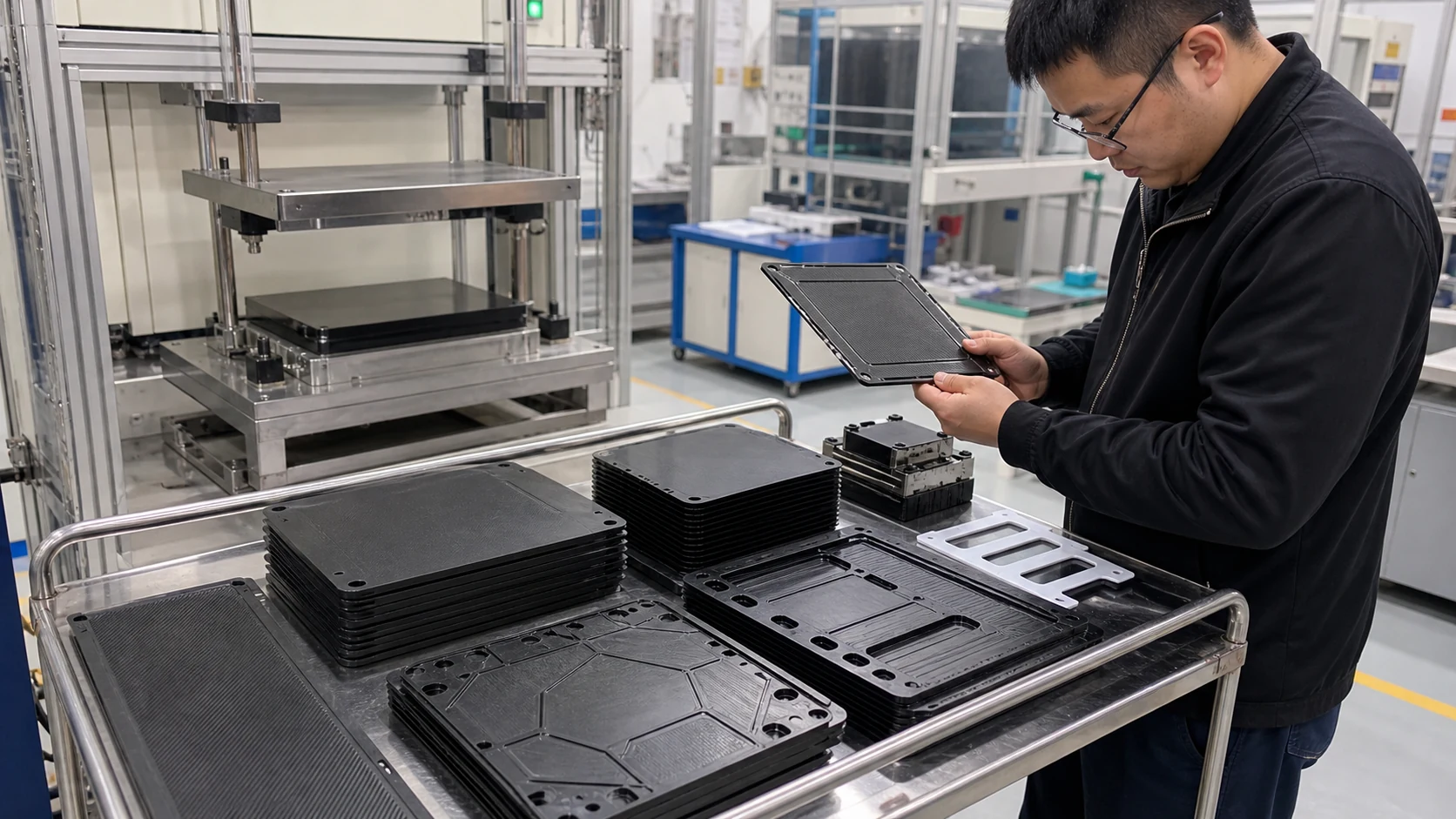 DGK-PP DDL28 High-Conductive Polypropylene for Bipolar Plates and Electrode ComponentsA product-focused technical guide to DGK-PP DDL28, an ultra-low-resistivity conductive PP compound for bipolar plates, electrode components and conductive structural parts.
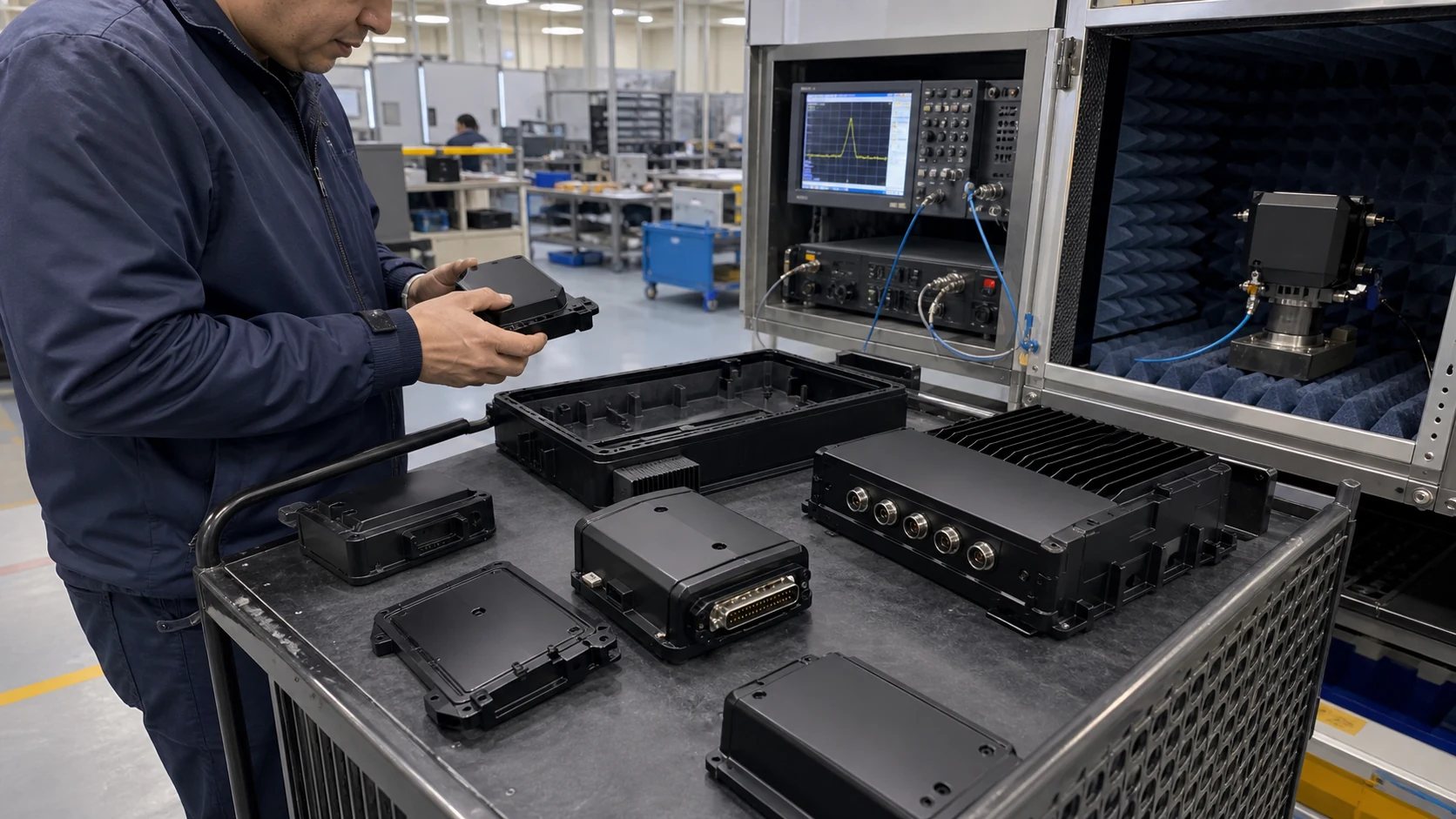 DGK-PP DD2-3A Conductive PP for EMI Shielding and Precision HousingsA technical product guide for DGK-PP DD2-3A conductive PP in 10²-10³ Ω applications, including EMI shielding, aerospace electronics and precision instrument housings.
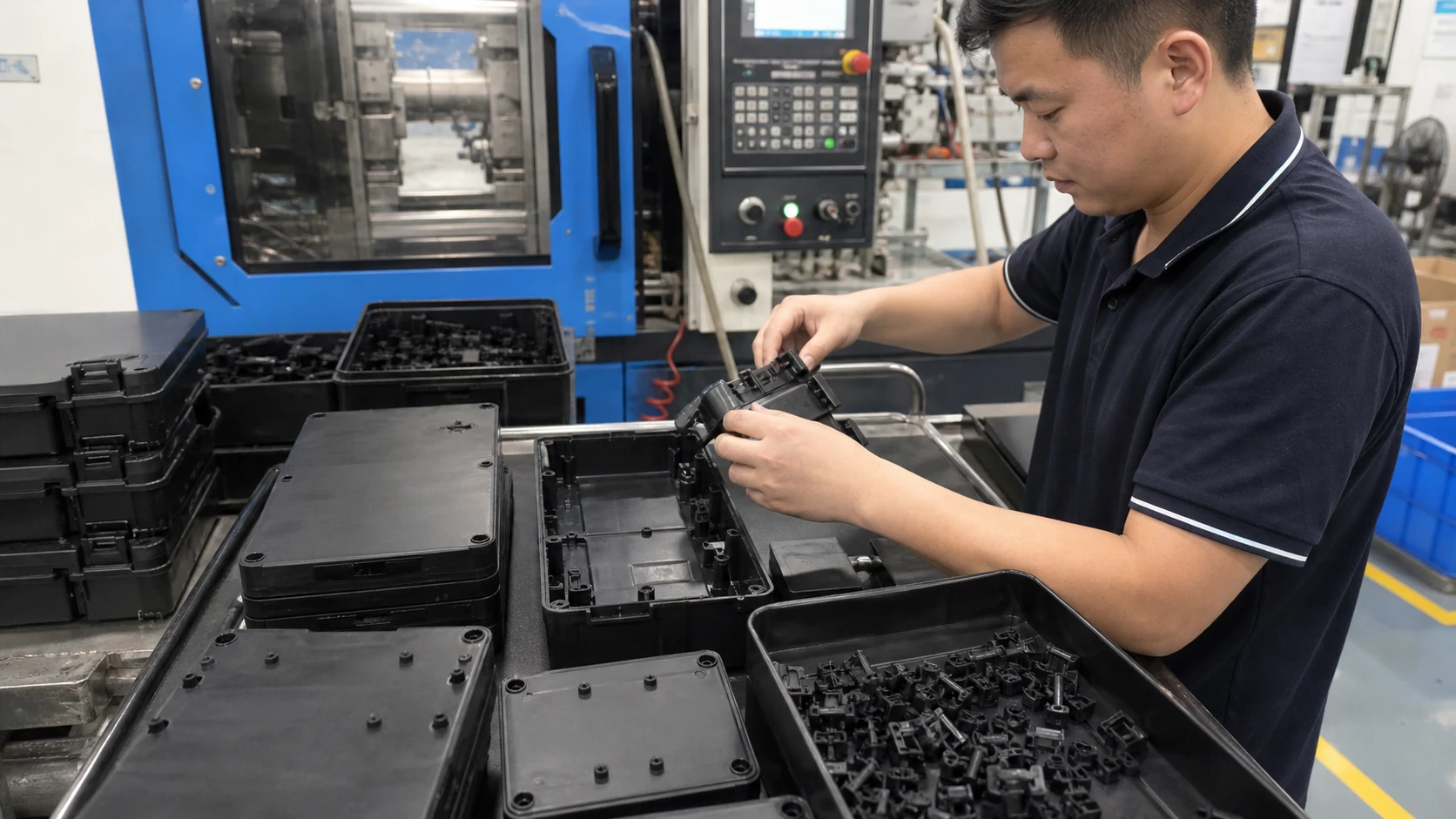 DGK-PP DD4-5A-JC Flame-Retardant Conductive PP for Electrical EnclosuresA product selection guide for DGK-PP DD4-5A-JC, covering flame-retardant conductive PP for electrical housings, ESD enclosures and molded electronic parts.
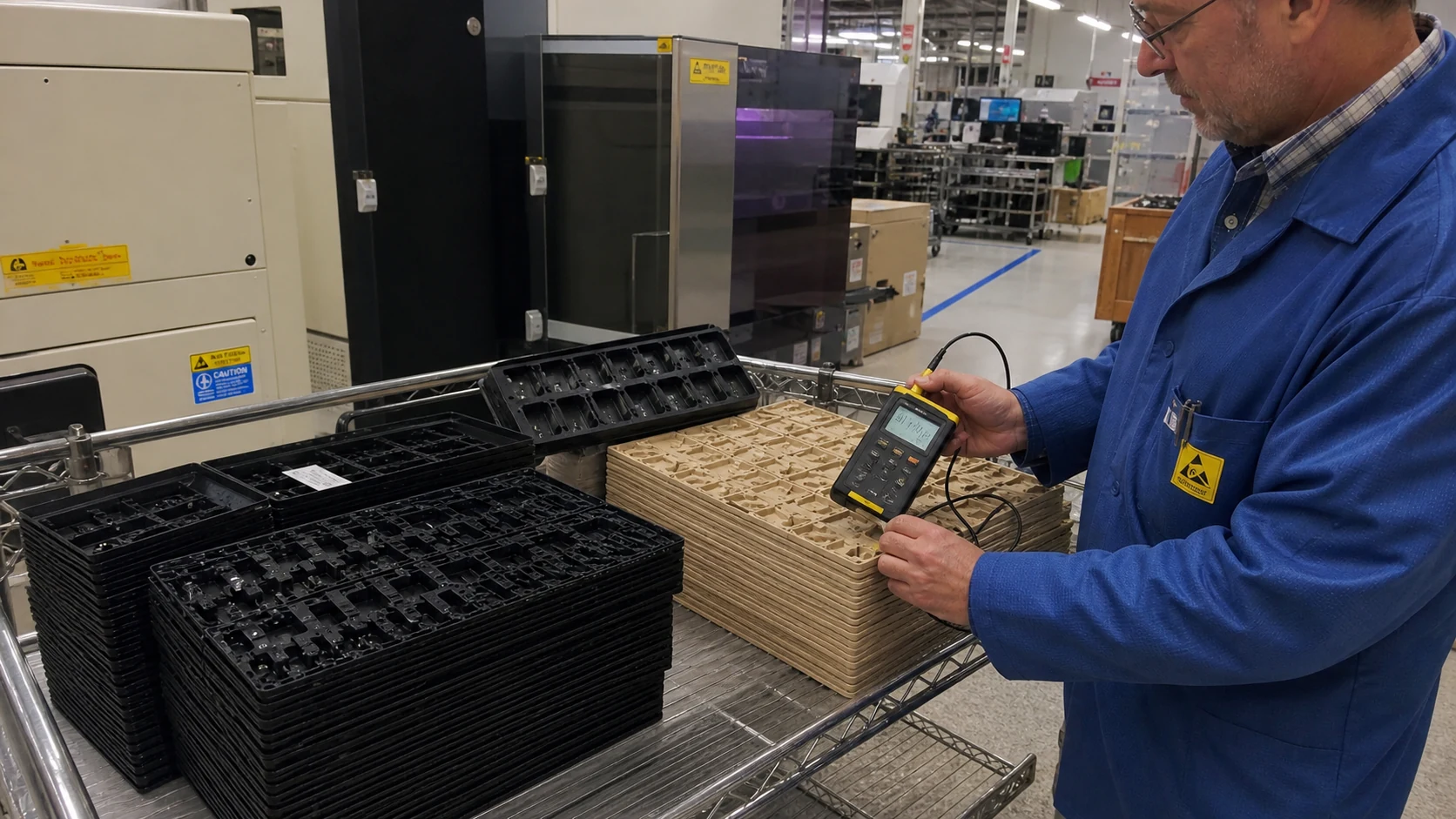 Conductive or Antistatic Plastic? Defining the Right ESD Resistance RangeA practical guide for choosing between antistatic, static-dissipative and conductive plastics by surface resistance, decay behavior, application risk and validation method.
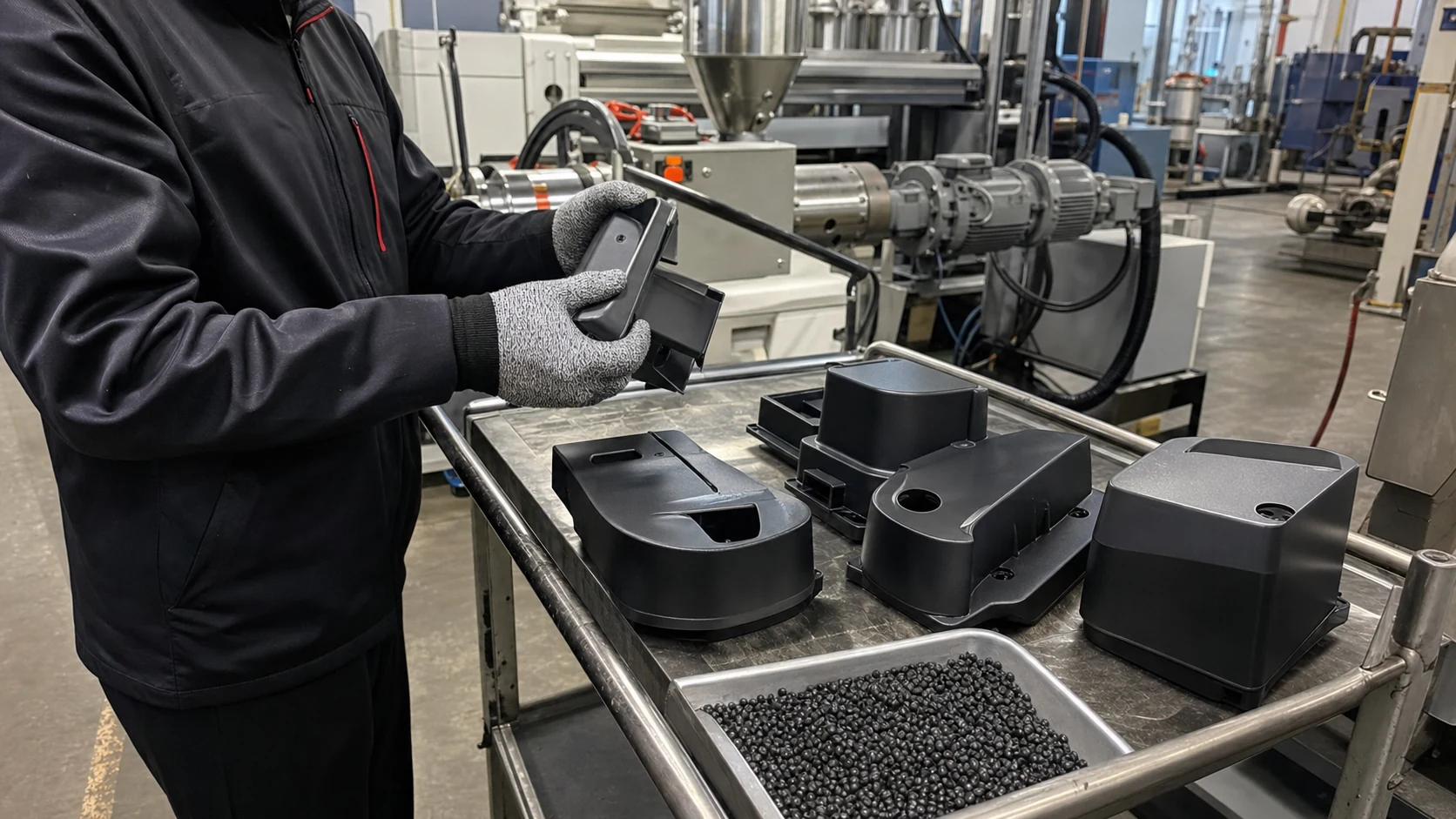 Graphite-Filled Conductive Plastics: Surface Finish, Stable Resistance and SelectionA technical route guide for graphite-filled conductive plastics, focusing on smooth surface quality, stable resistance, lubricity, thermal conductivity and filler trade-offs.
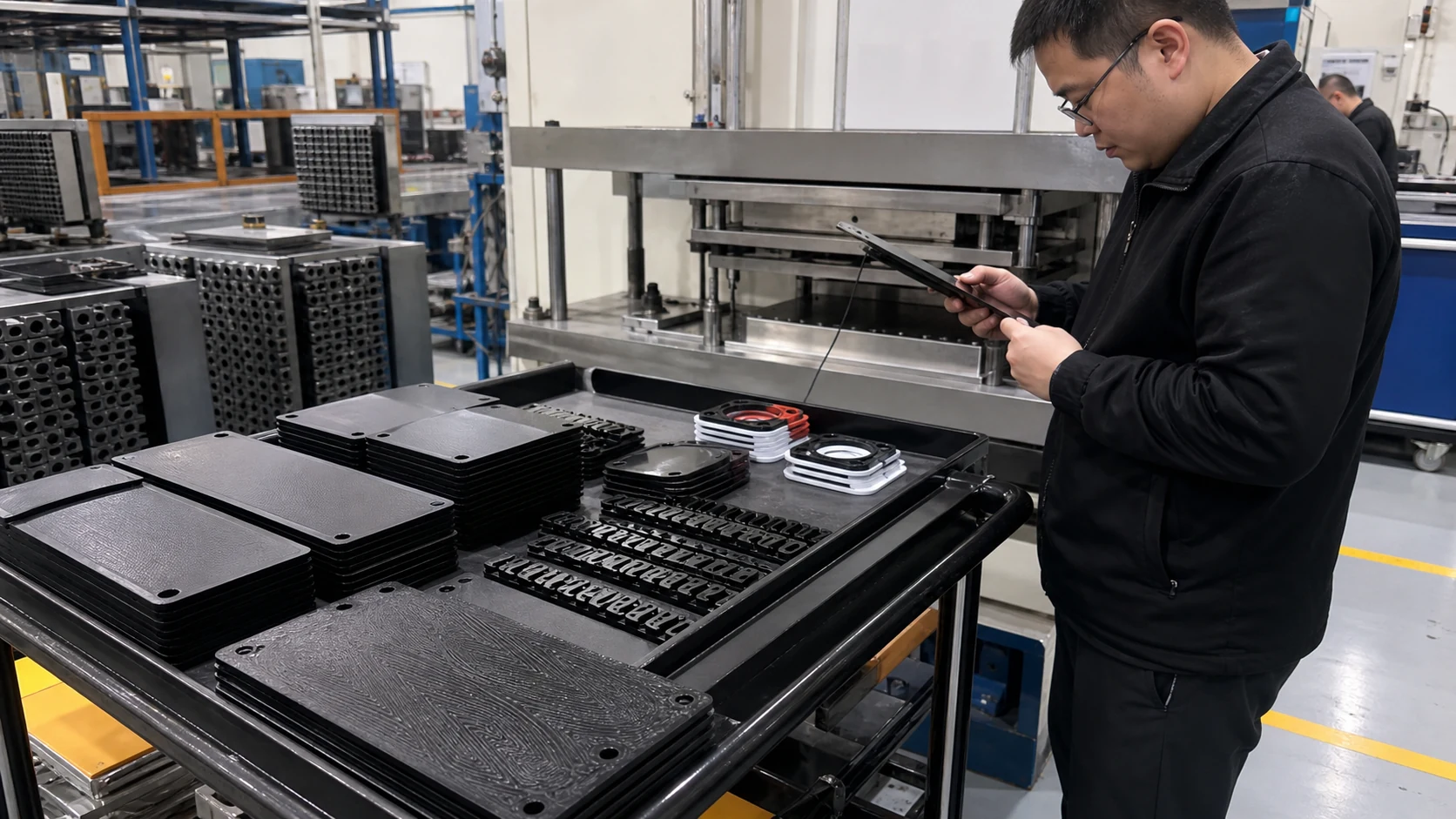 High-Conductive PP Bipolar Plates: Balancing Conductivity, Strength and SealingA bipolar plate material guide explaining why high-conductive PP must balance through-plane conductivity, strength, compression behavior, sealing and processing stability.
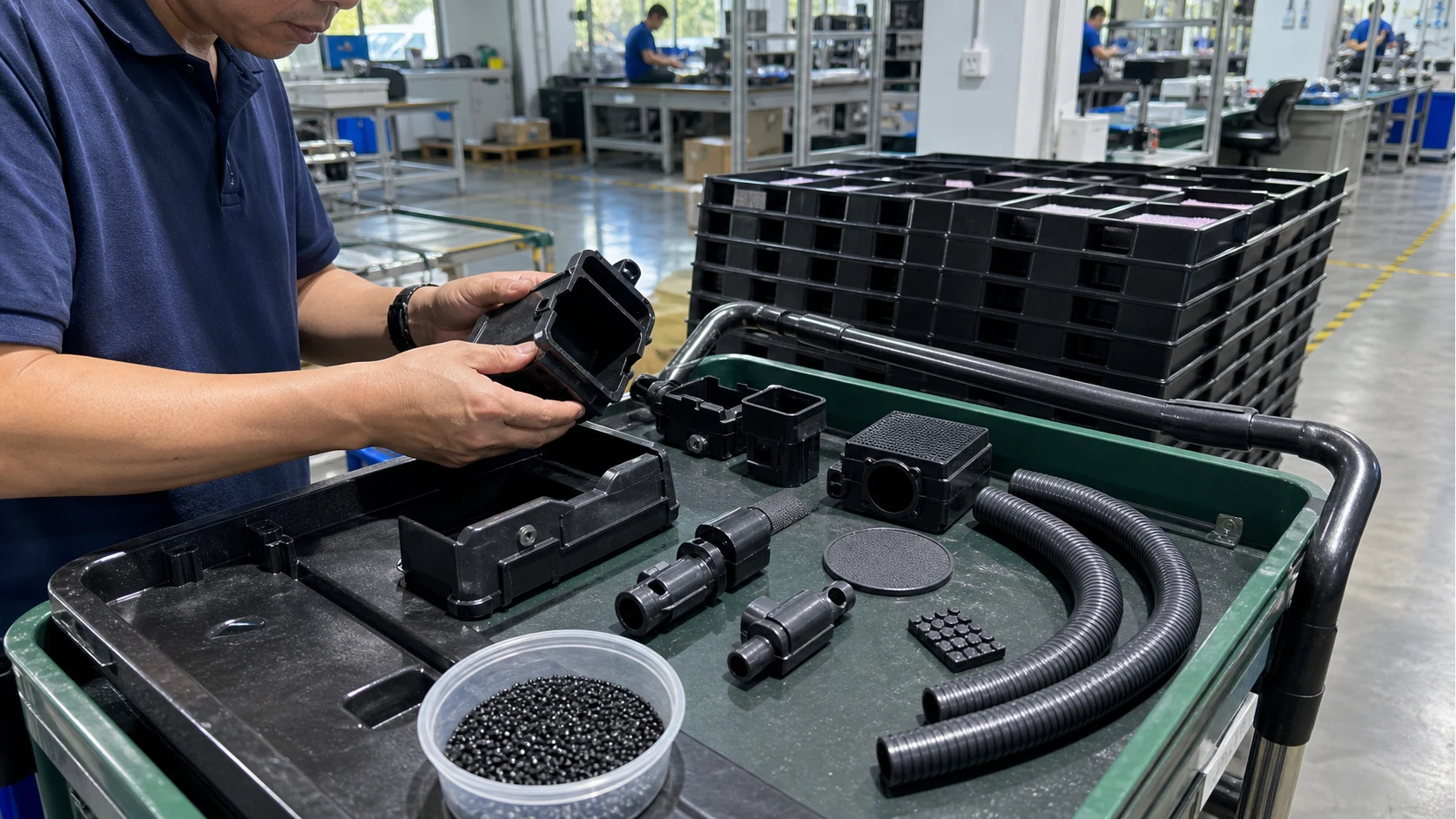 Conductive Plastics Selection Guide: How to Choose PP, PE, ABS, PA66, POM, TPU and TPRA comparative selection guide for conductive plastics across PP, PE, ABS, PA66, POM, TPU and TPR, covering resistivity ranges, filler routes, applications, trade-offs and validation criteria.
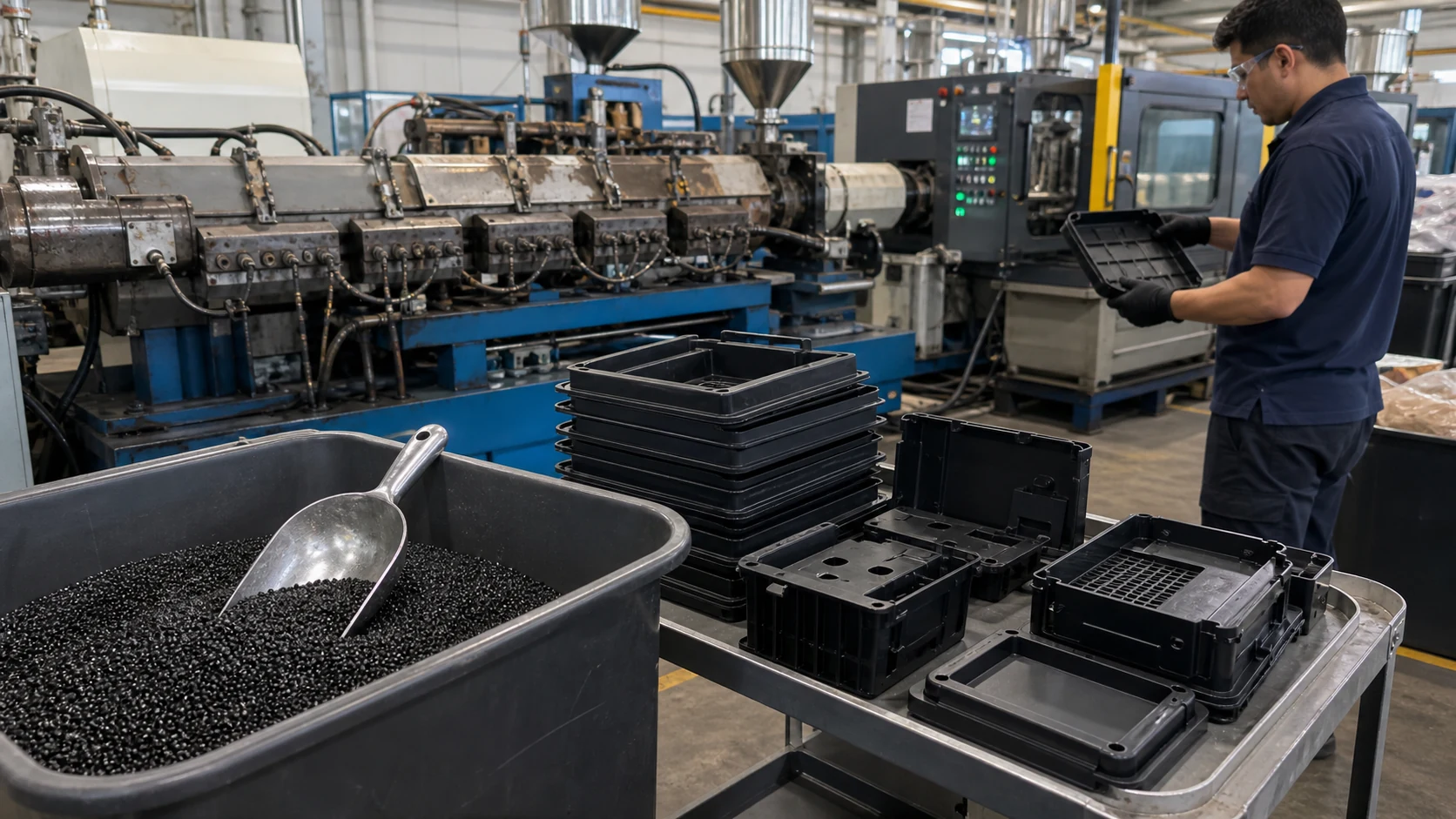 Carbon Black Conductive Plastics: Percolation Threshold and Application SelectionA technical guide to carbon black conductive plastics, explaining percolation threshold, dispersion quality, conductivity-mechanical trade-offs, grade selection and validation in ESD applications.
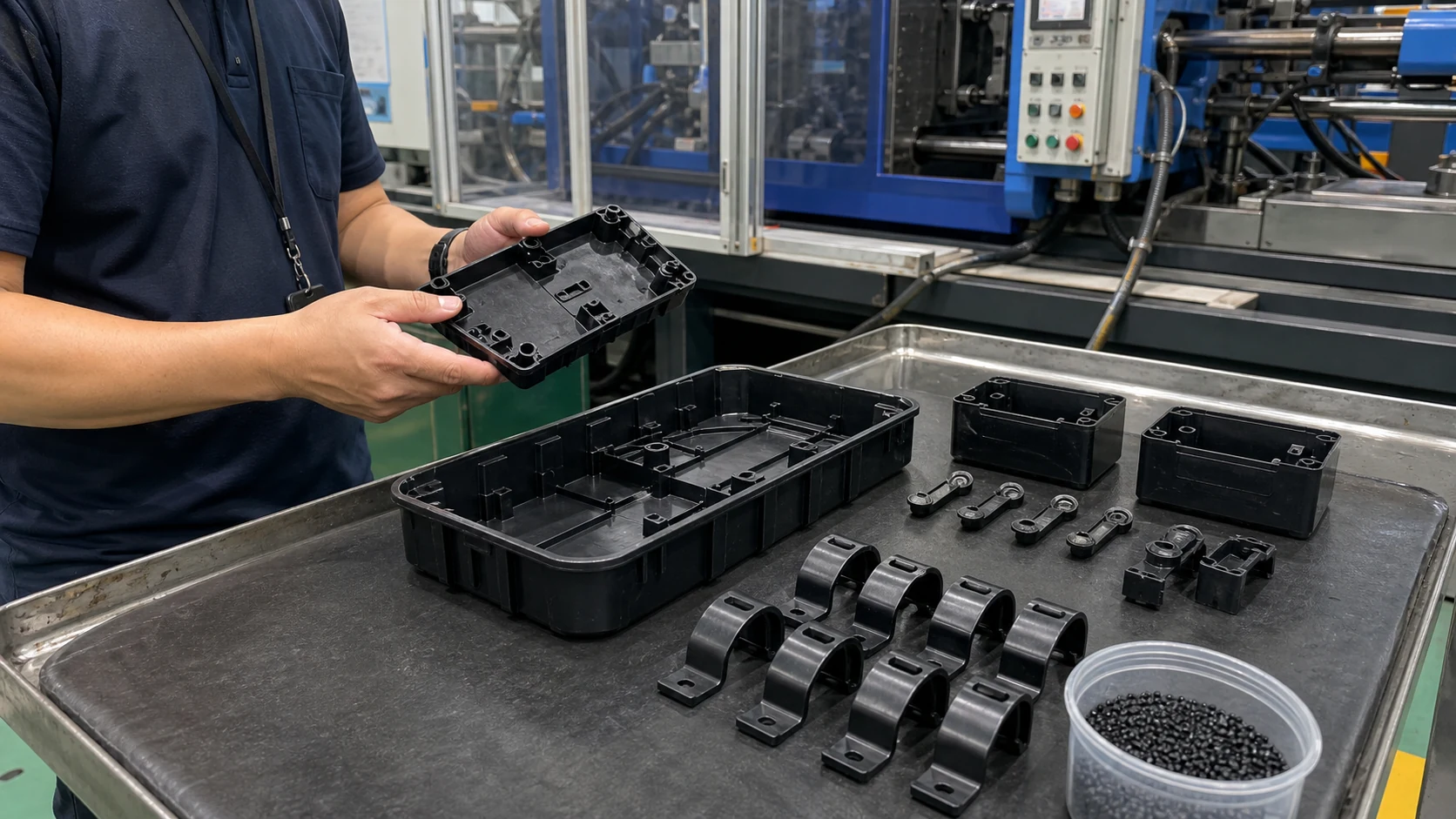 Conductive PP Compound for Molded Industrial Parts: Selection and Validation GuideA selection and validation guide for conductive PP compounds in molded industrial parts, comparing carbon black, carbon fiber and CNT routes with processing and resistivity control.
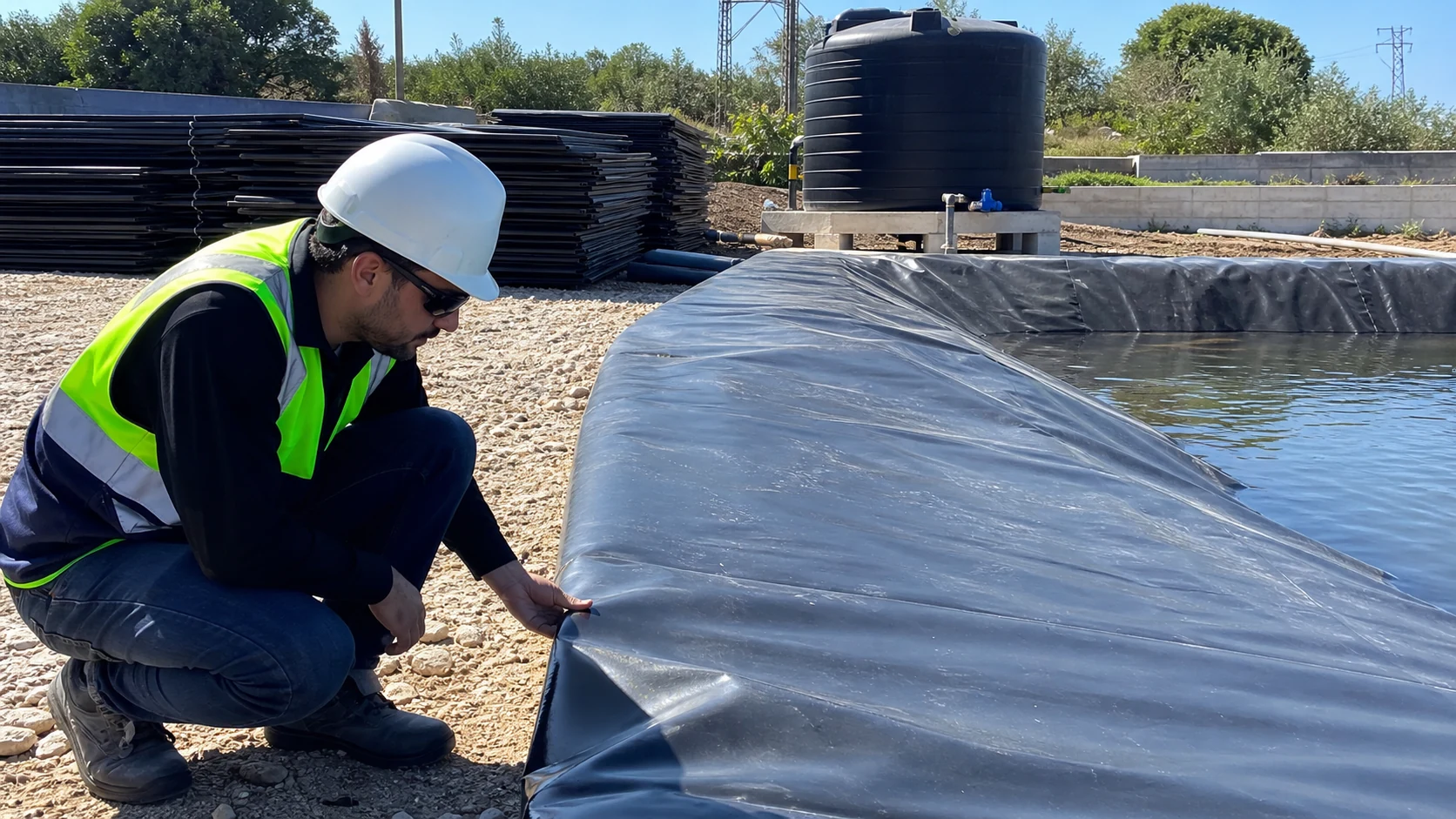 UV-Stabilized PE Compound for Outdoor Liners, Sheets and ContainersA technical guide to UV-stabilized PE compounds for outdoor liners, sheets and containers, covering PE type selection, carbon black and HALS stabilization, reference data, processing guidance and validation logic.
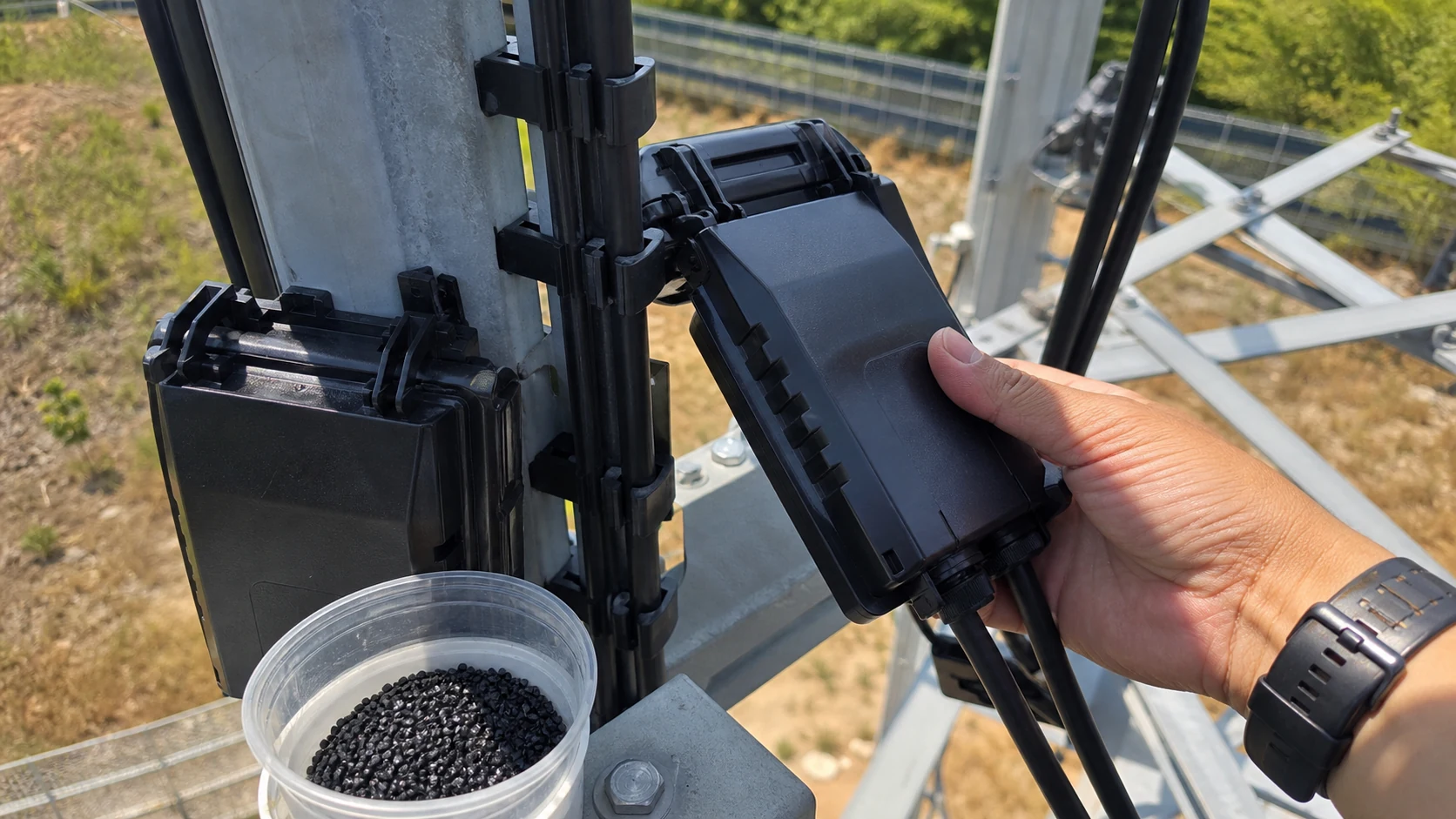 Weather-Resistant PP for Black Outdoor Molded ComponentsA material selection guide for weather-resistant black PP molded parts, explaining carbon black UV protection, heat trade-offs, HALS synergy, product data, outdoor validation and processing control.
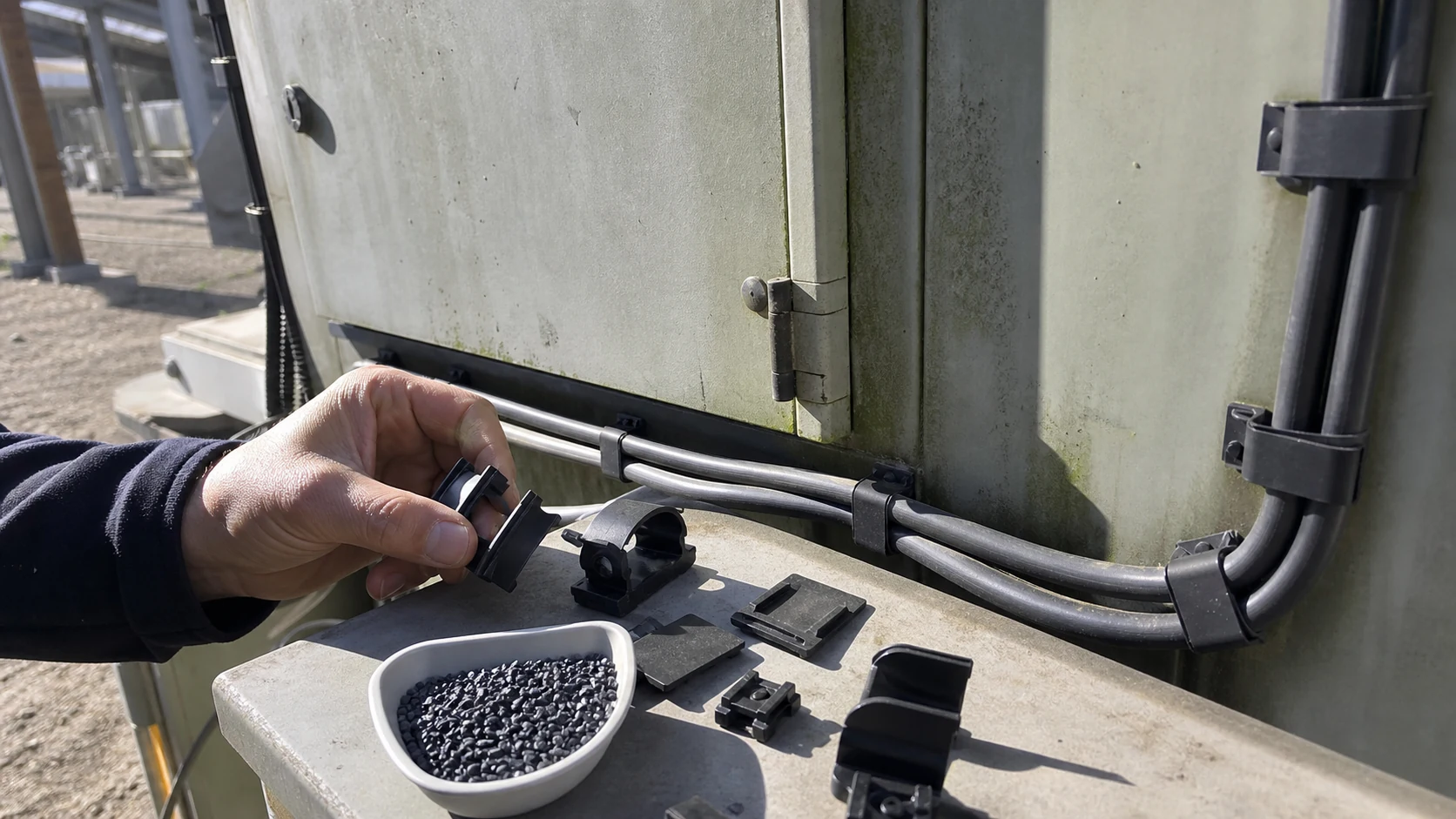 UV-Resistant PP Compound for Outdoor Clips, Covers and Industrial PartsA technical guide to UV-resistant PP compounds for outdoor clips, covers and industrial parts, comparing stabilizer systems, talc-filled and impact-modified routes, processing parameters and validation cases.
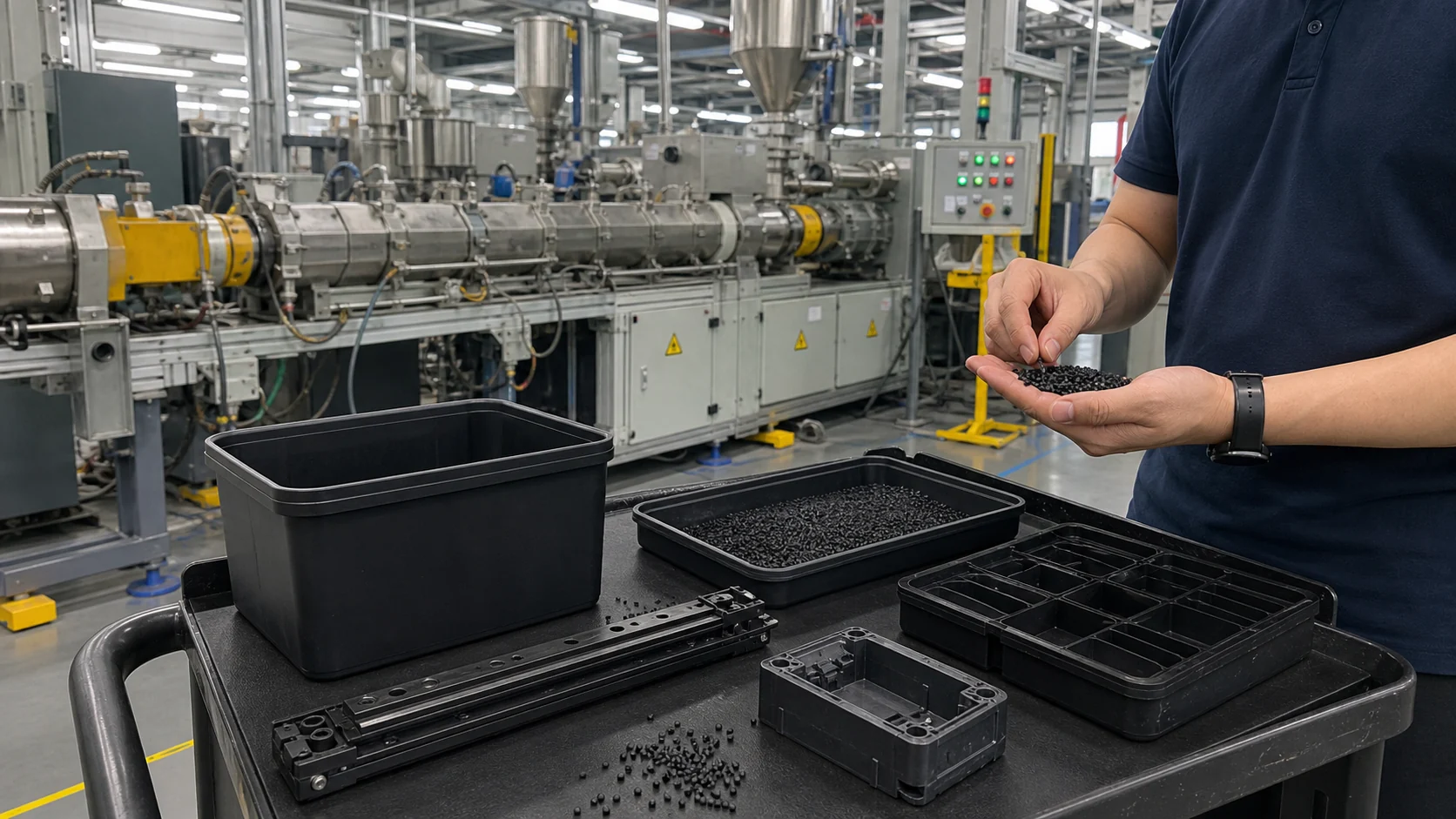 Self-Developed Carbon Nanotubes, In-House Compounding: Multi-Base Polymer Composite Pellets RecommendedDEYU plastics develops CNT dispersion and in-house compounding for POM, PP, PE, PA, ABS and PC conductive or antistatic pellets, with customer cases for POM guide slides, conductive PP parts and antistatic SMT trays.
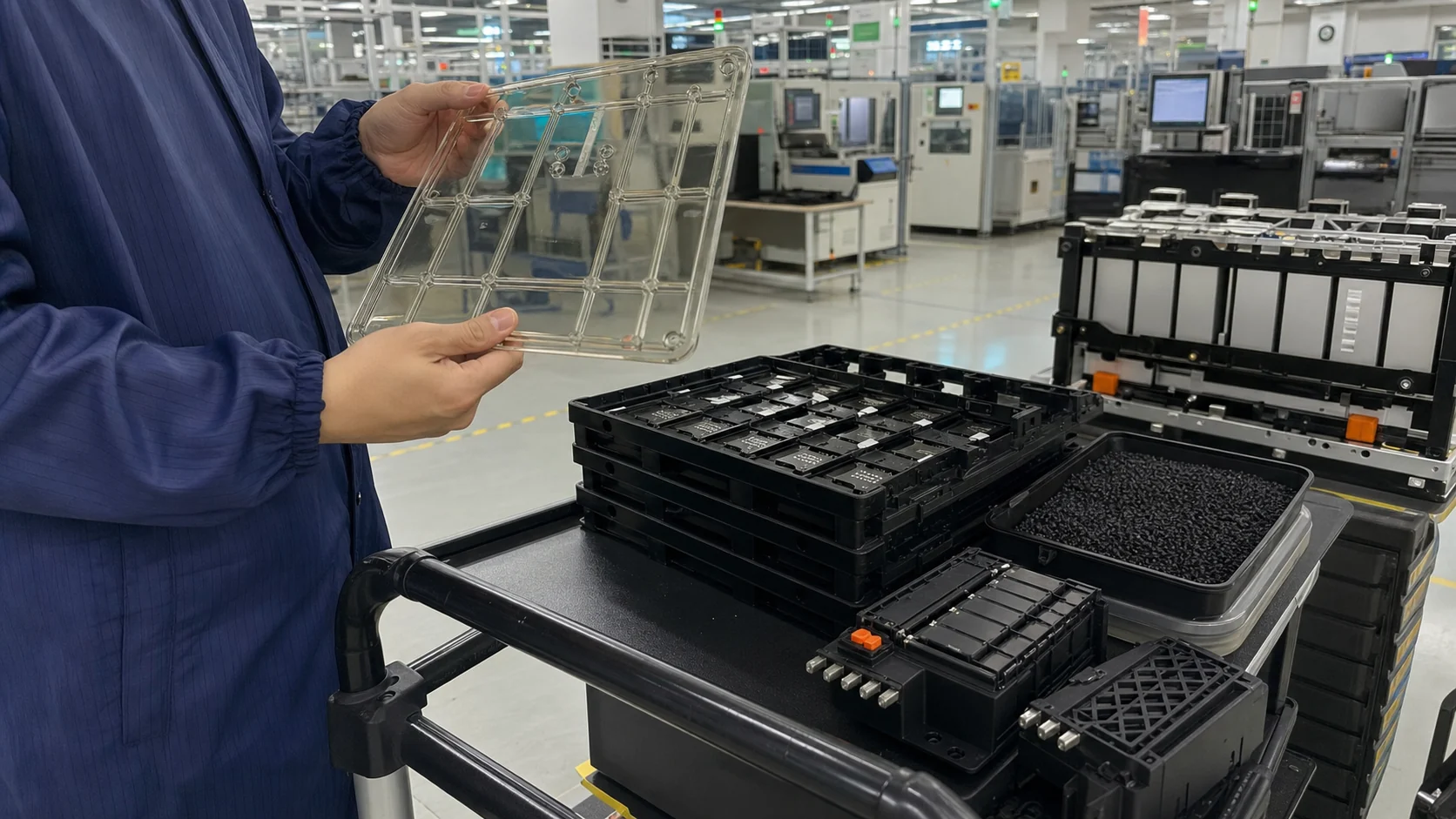 Global Antistatic Plastic Solutions Provider: From Standard Grades to Custom-Formulated OptionsA full guide to DEYU antistatic plastic solutions, covering technical routes, product series, semiconductor trays, conductive PP battery brackets, antistatic POM gears, application selection and custom formulation support.
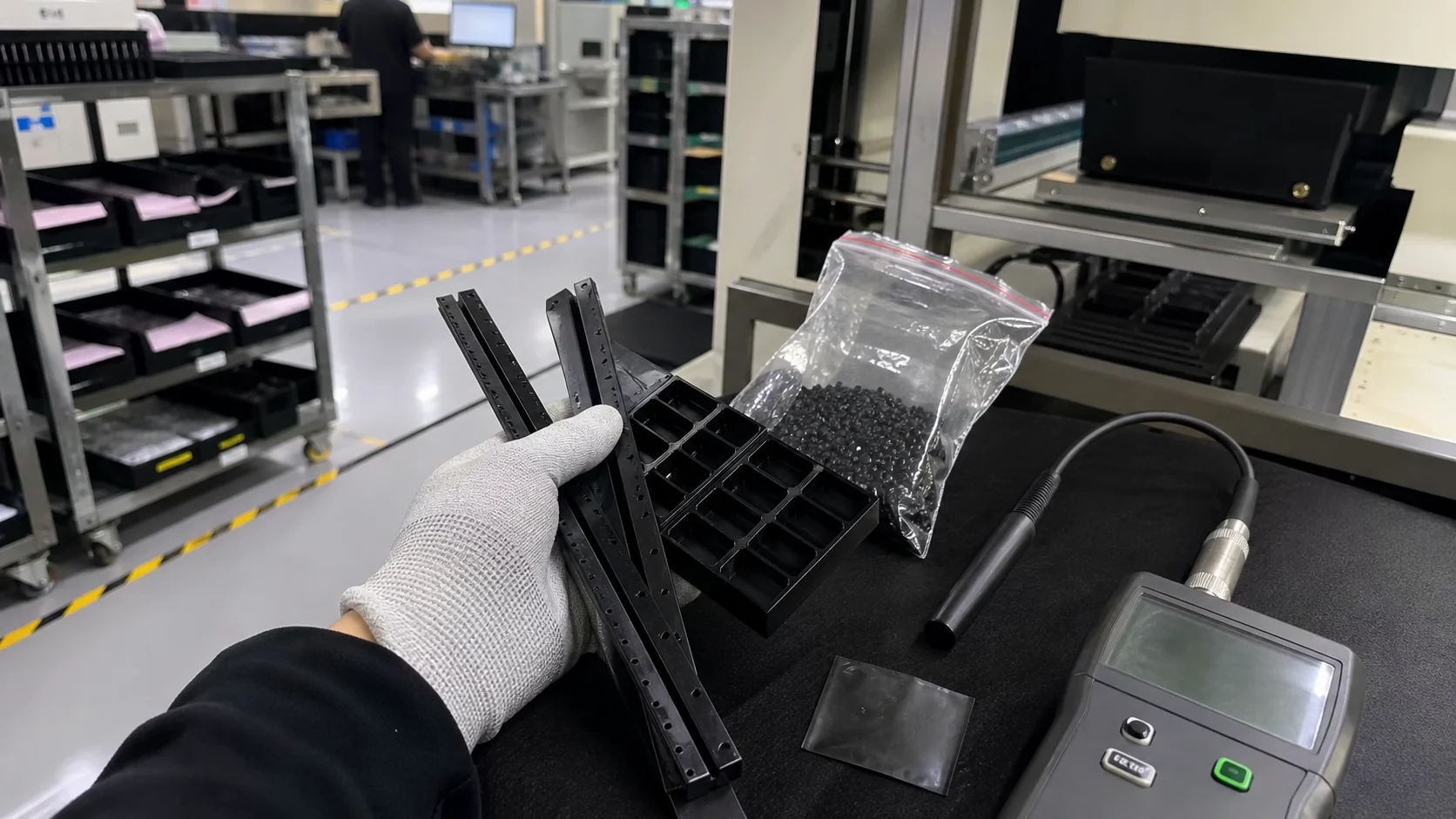 Carbon Nanotubes in Modified POM: Material Selection Guide for Precision Manufacturing and ESD ControlA practical guide to CNT-modified conductive POM for precision sliding parts, SMT trays, battery module fixtures and ESD-sensitive industrial components.
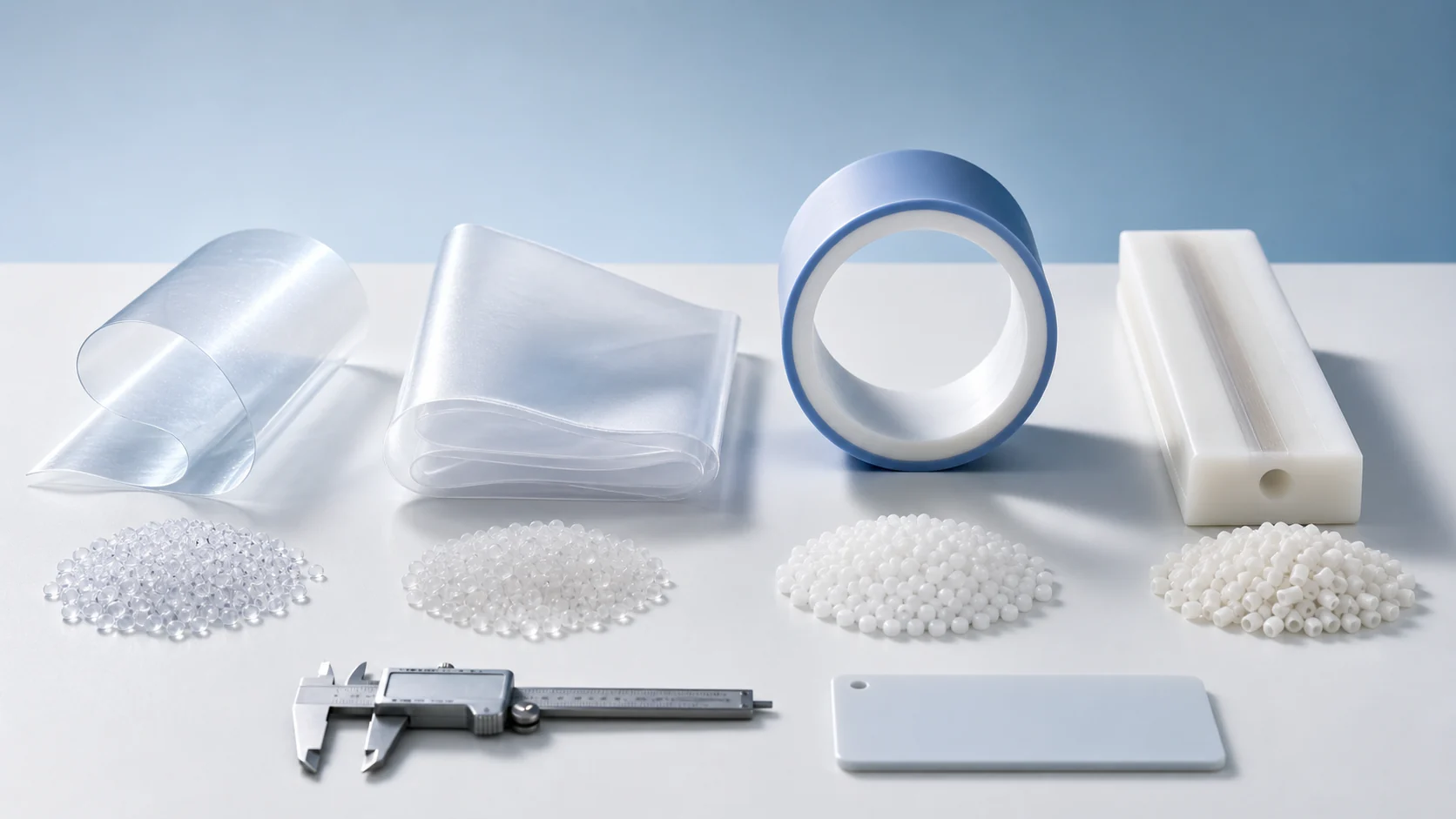 Key Purchasing Points for LLDPE, LDPE, HDPE and UHMWPE, and Reference Applications After ModificationLearn how to purchase LLDPE, LDPE, HDPE and UHMWPE by comparing density, melt flow rate, molecular weight, processing method, mechanical properties, wear resistance and modification routes. Includes reference applications for conductive, anti-static, wear-resistant, flame-retardant, UV-resistant and low-temperature modified polyethylene.
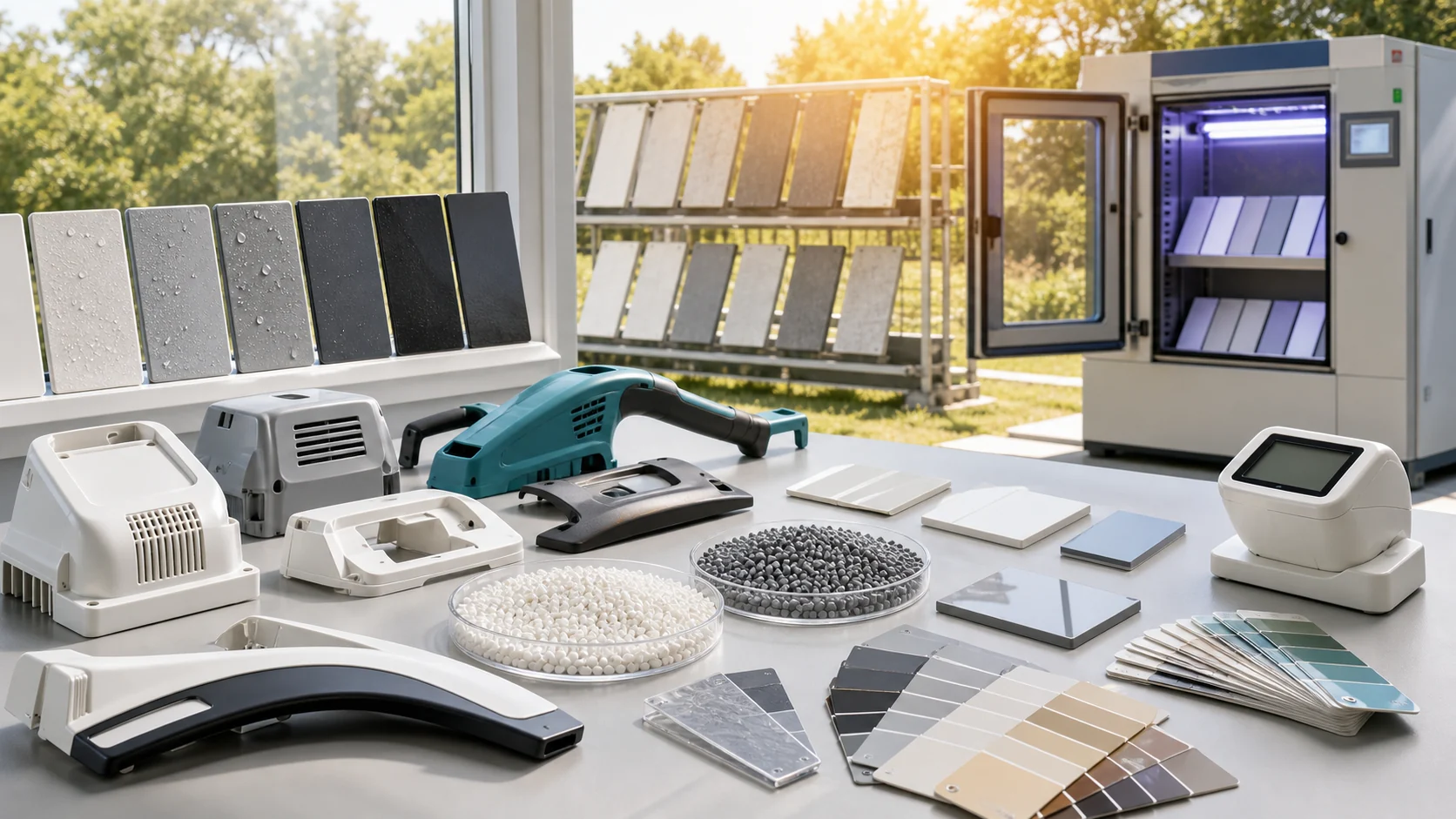 What Is the Difference Between UV-Resistant ASA and UV-Modified ABS? Material Selection and Purchasing GuideLearn the differences between ASA and ABS in UV resistance, weatherability, color retention, impact performance, cost and outdoor applications, with a practical guide for purchasing UV-resistant modified plastics.
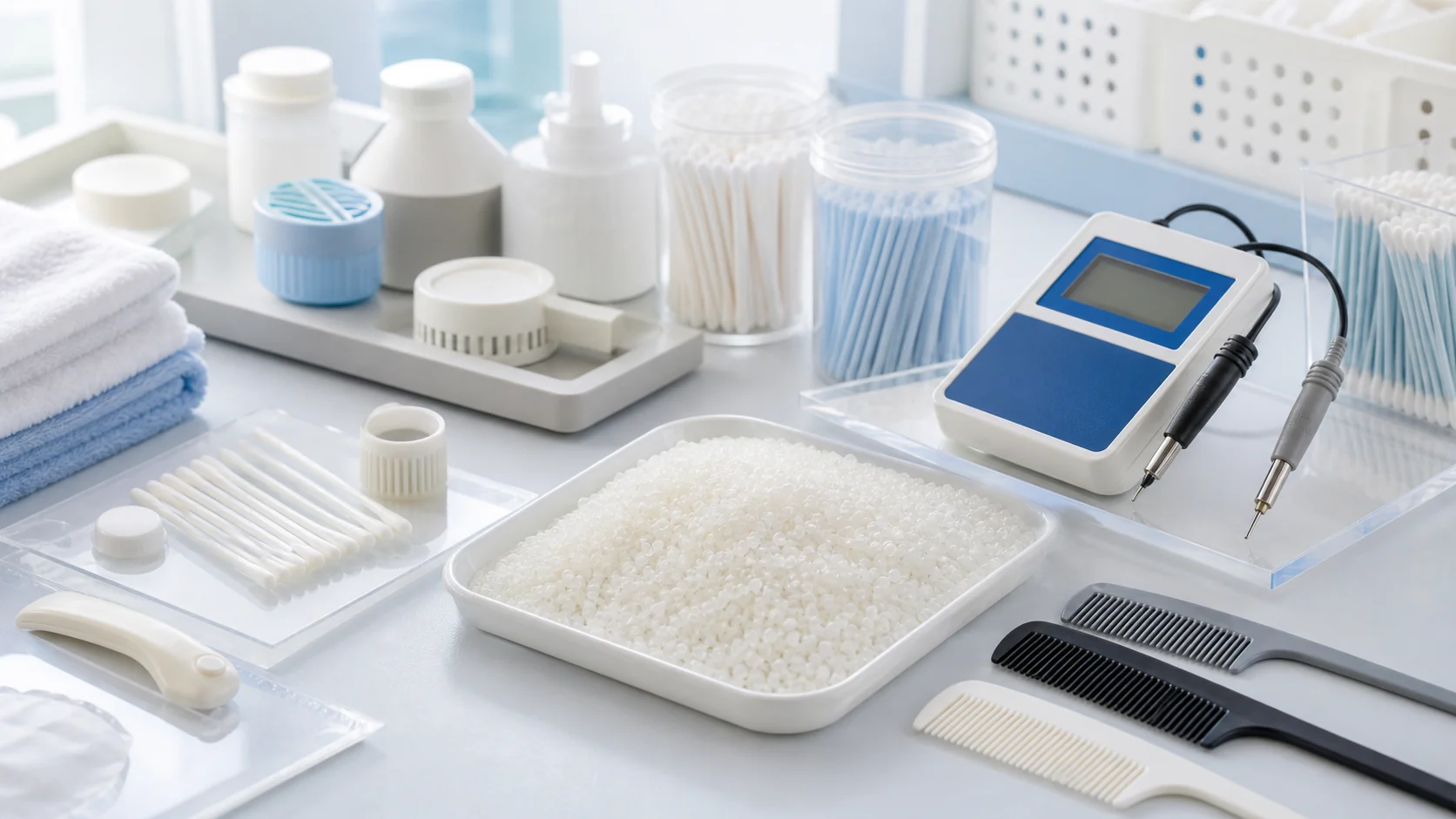 How Anti-Static Polypropylene Helps Daily-Use Products: DEYU PP Application Cases for Cotton Swab Sticks, Combs and Consumer GoodsLearn how anti-static polypropylene helps daily-use products reduce dust attraction, fiber adhesion, hair flyaway and packaging contamination, with DEYU internal application validation cases for PP cotton swab sticks, combs and consumer plastic parts.
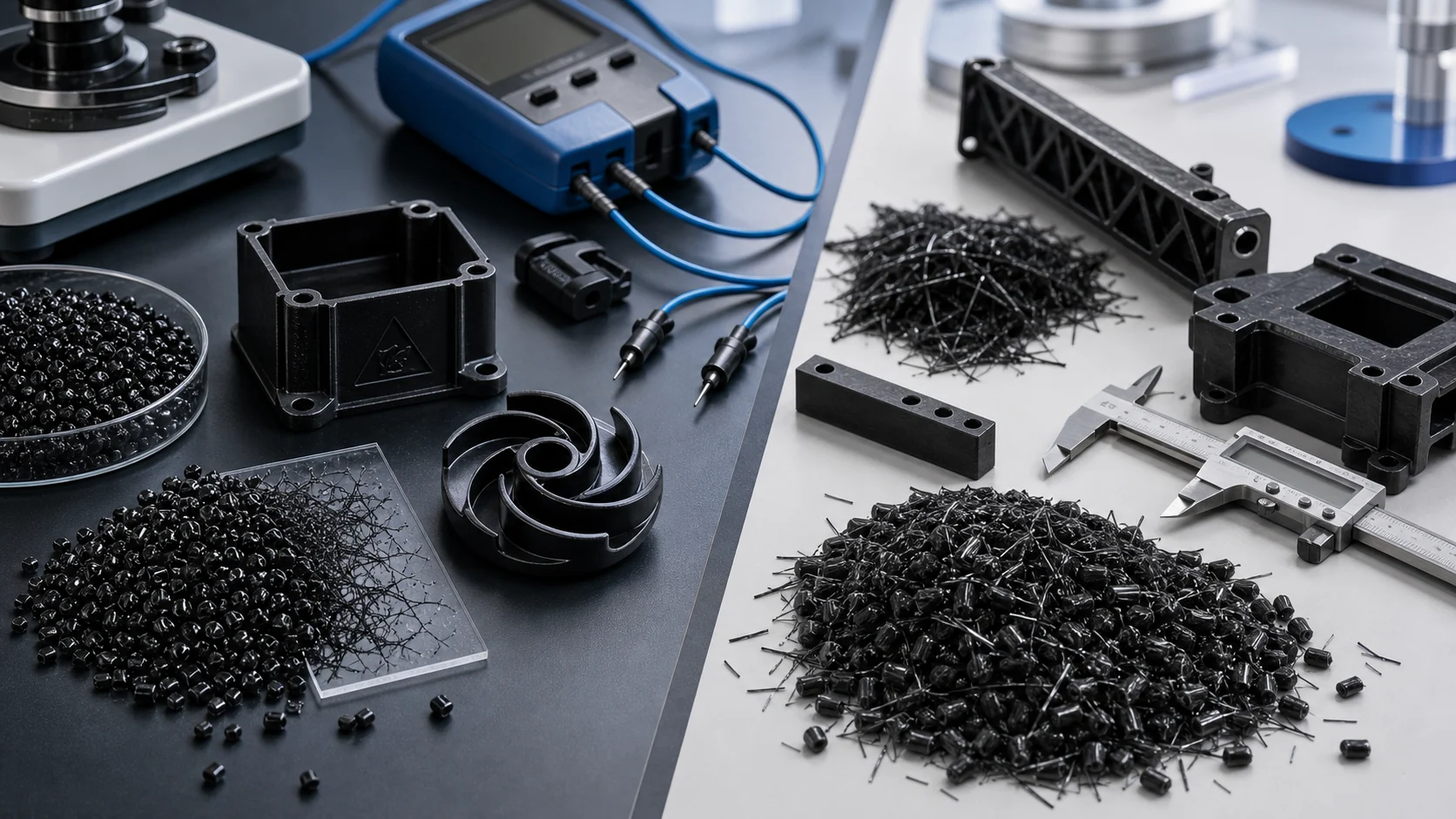 Carbon Nanotubes vs. Carbon Fiber in Conductive Plastics: Advantages, Limitations and DEYU Practical ExperienceCompare carbon nanotubes and carbon fiber in conductive plastic compounds. Learn their advantages, limitations, suitable applications and how DEYU applies practical CNT composite experience in POM, PA, PP, ABS and other resin systems.
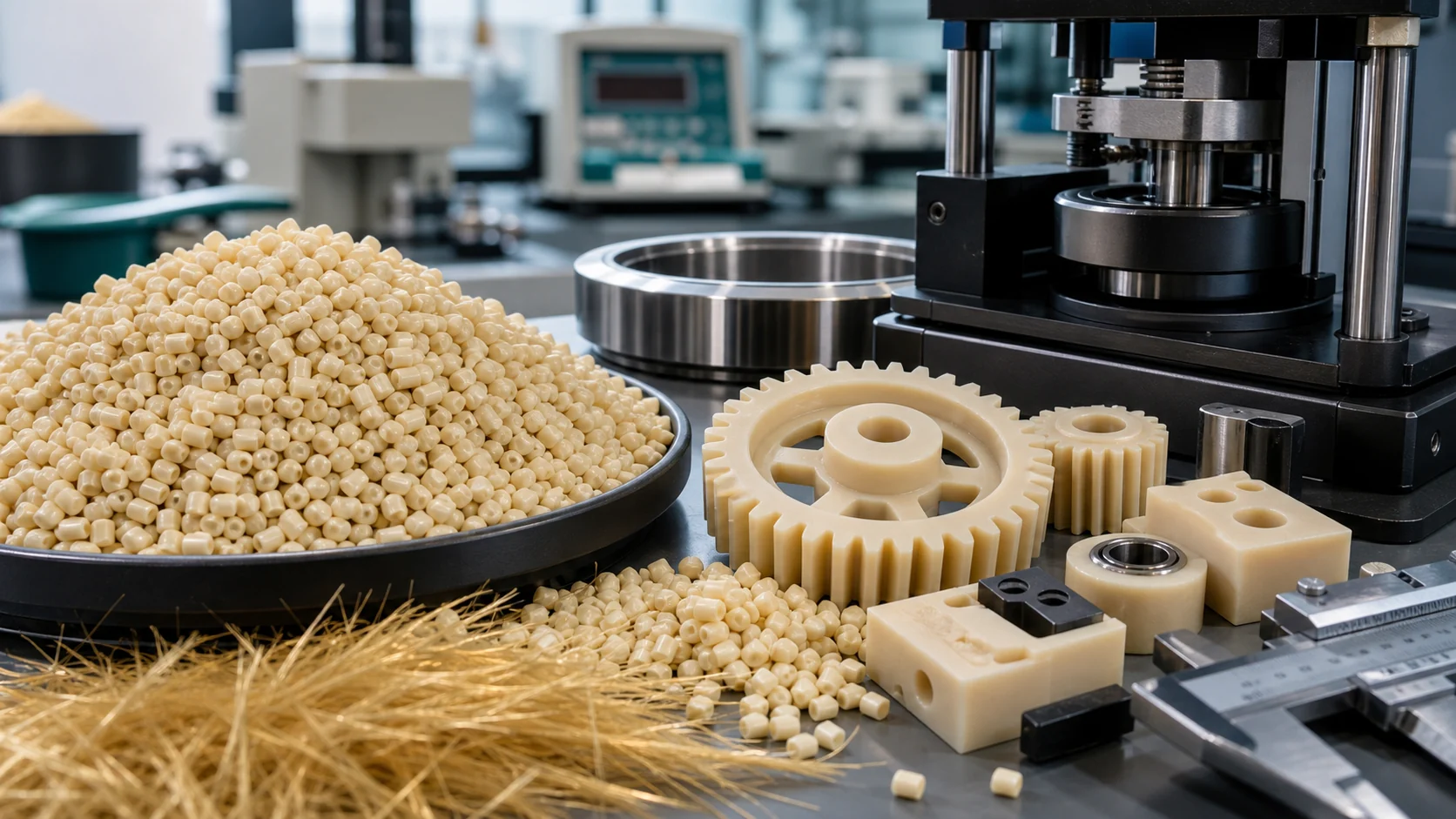 Aramid Fiber Reinforced POM: Domestic Opportunities and Technical Route for Wear-Resistant Engineering PlasticsLearn how aramid fiber reinforced POM improves wear resistance, reduces friction and protects mating metal surfaces, with analysis of international grades, domestic opportunities and DEYU DGK-POM FL100T.
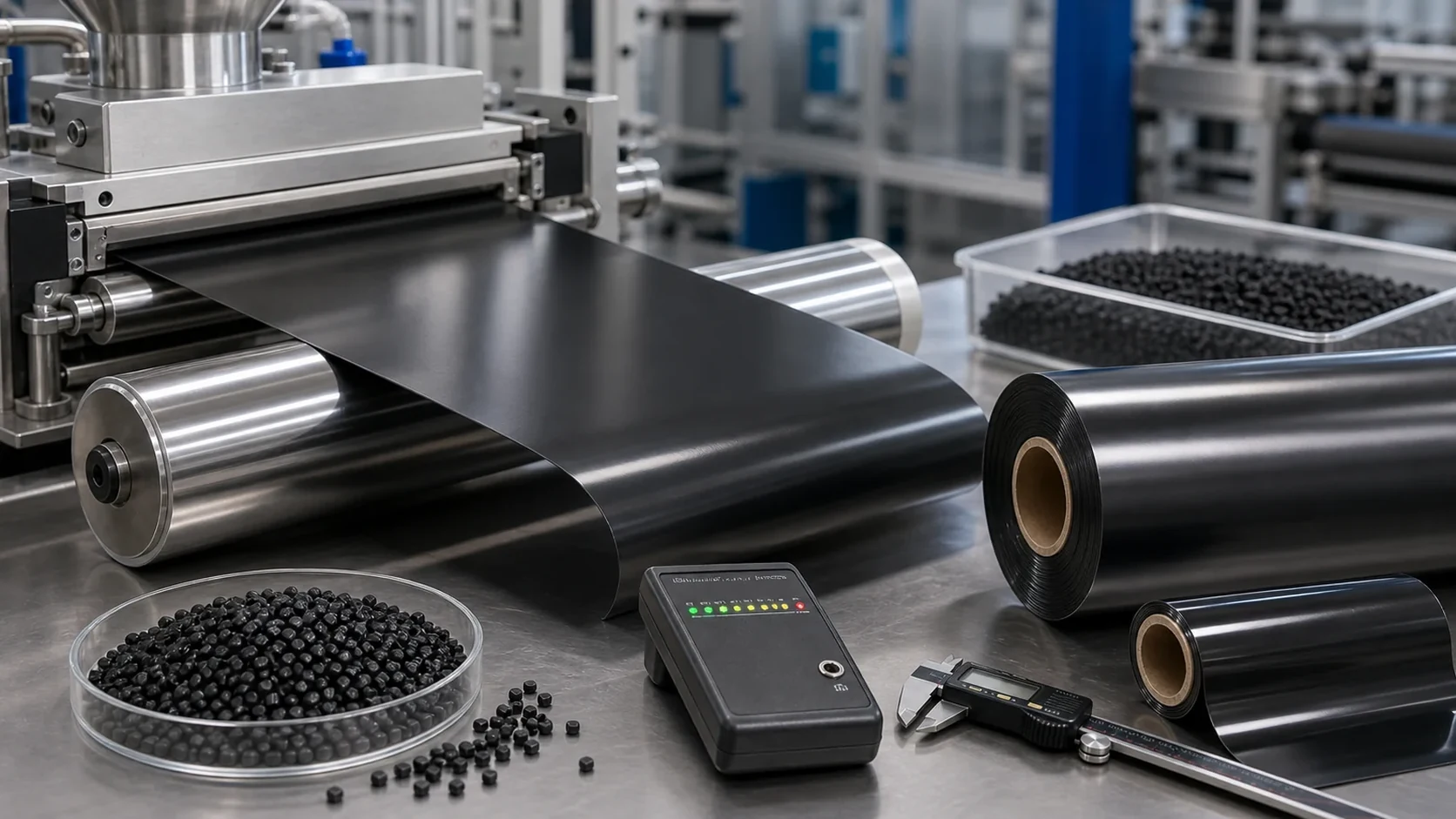 Conductive TPU Cast Film: Processing Guide, Material Selection and Application ValidationLearn how conductive TPU can be processed into cast film, and how to select conductive or anti-static TPU by resistance range, film thickness, flexibility, conductive system, surface quality and production validation.
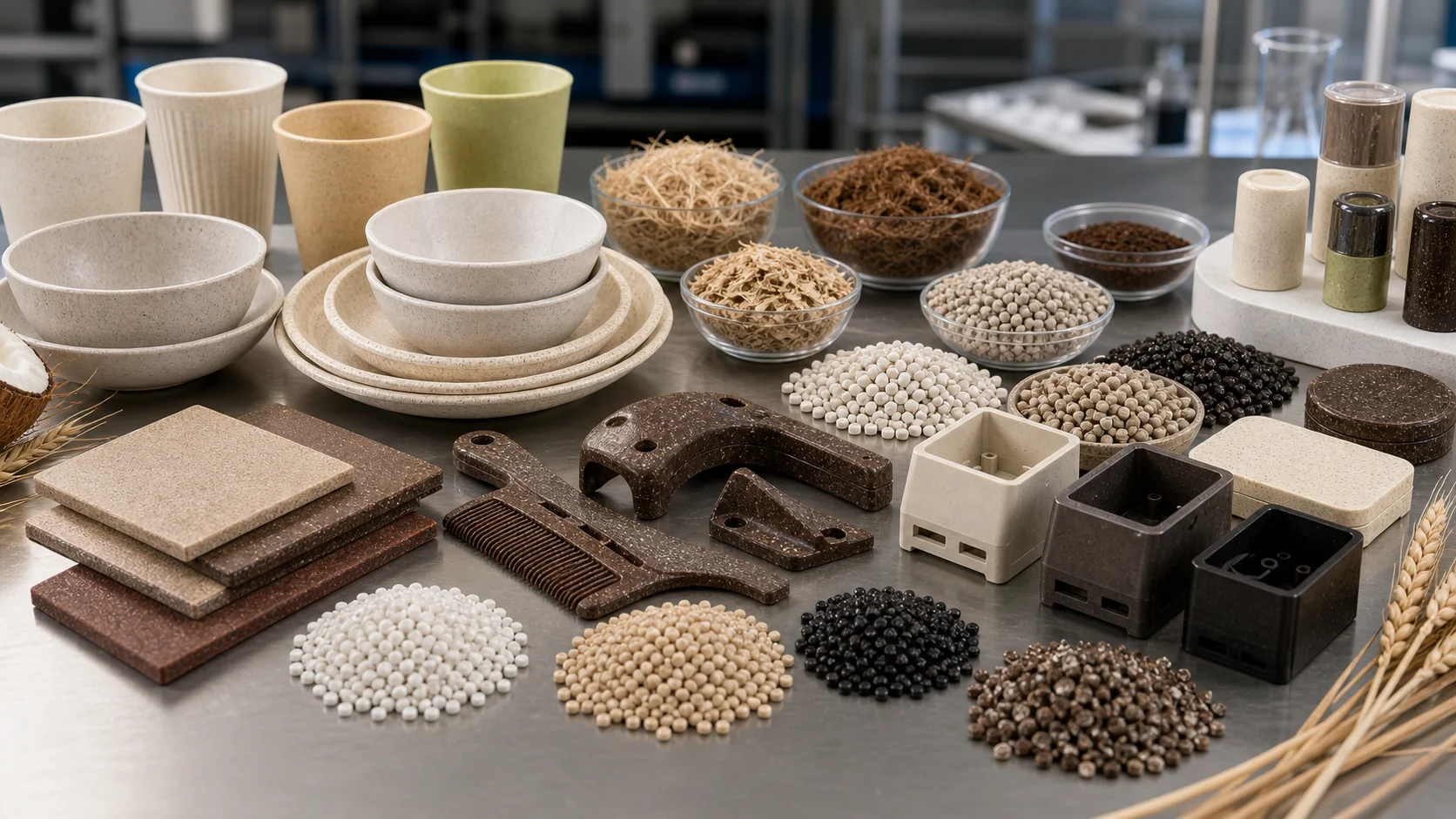 Plant-Based Eco-Friendly Plastics: Applications and Common Material RoutesLearn how plant-based eco-friendly plastics are used in consumer products, packaging, appliance parts and decorative components, including wheat straw PP, coconut fiber compounds, wood fiber PA6 and coffee ground ABS.
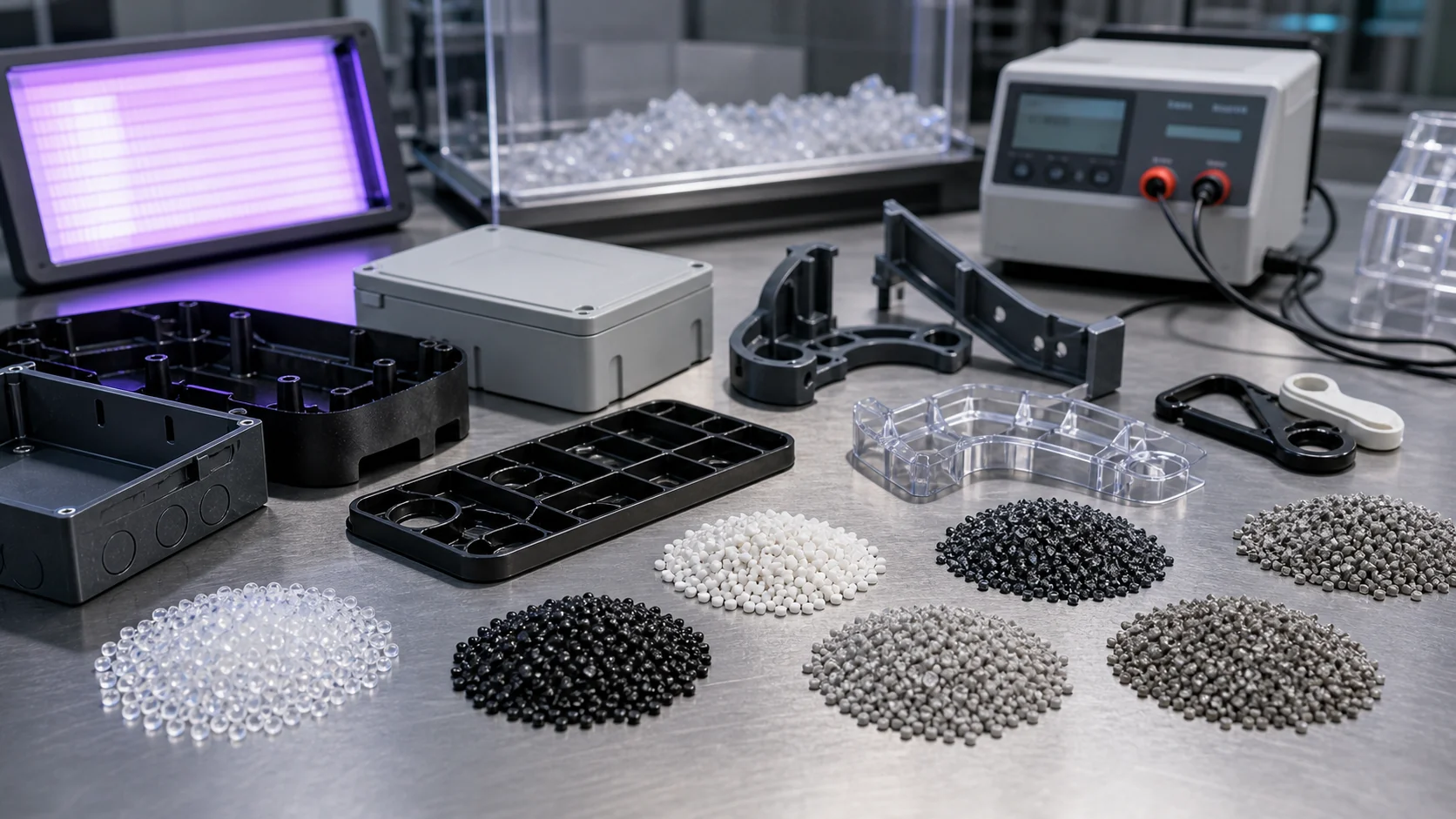 What Modifications Can PP Plastic Support? Performance Challenges and Application LimitsLearn what modified PP plastic can do, including conductive PP, anti-static PP, flame-retardant polypropylene, UV-resistant PP, glass fiber reinforced PP, carbon fiber PP and low-temperature toughened PP, with engineering limits and application selection advice.
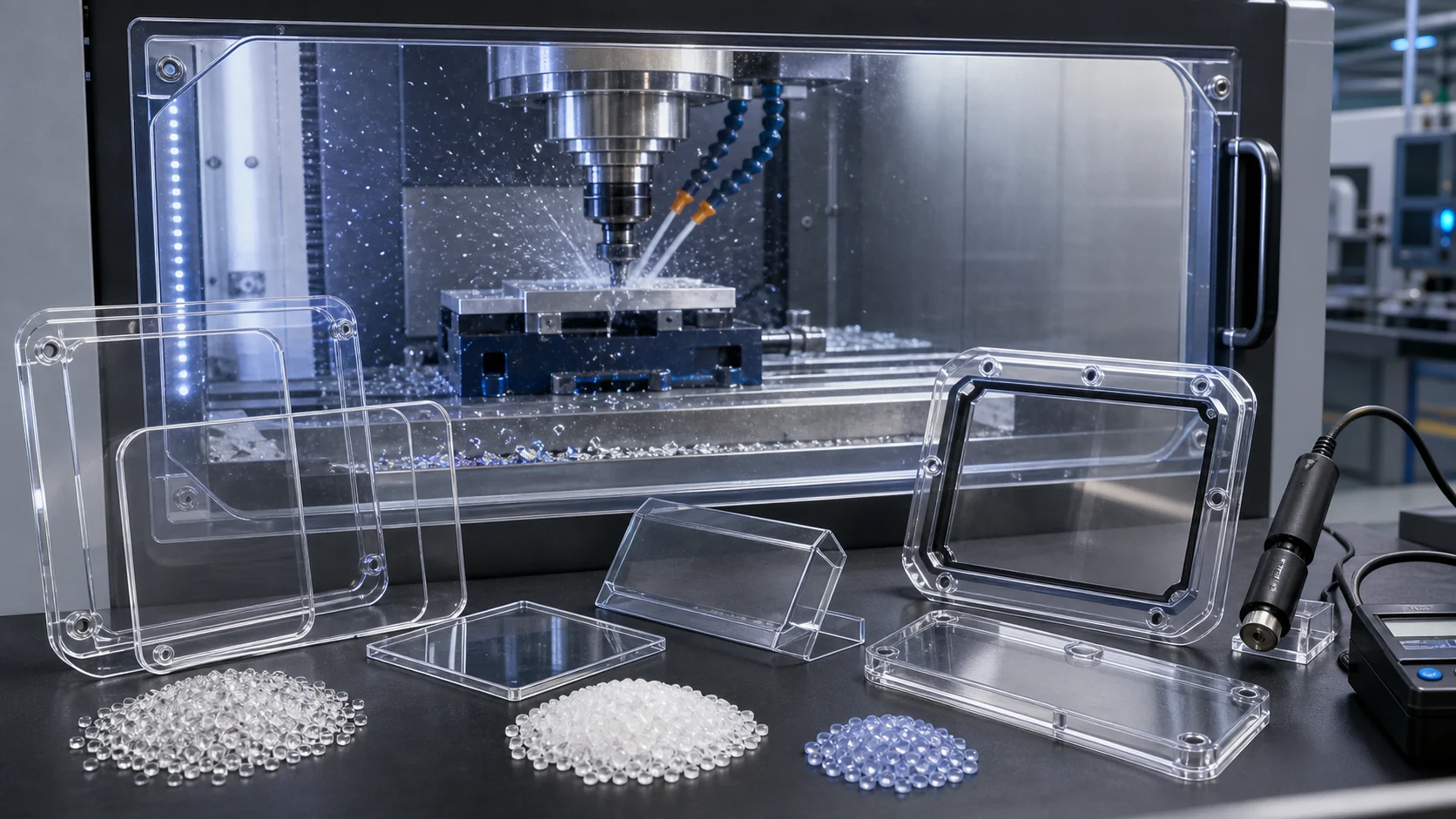 Transparent Anti-Static Plastics for Machine Observation Windows: Balancing Clarity, Dust Control and Impact ResistanceLearn how transparent anti-static plastics help machine observation windows reduce dust and chip adhesion while maintaining optical clarity, impact resistance and molding stability.
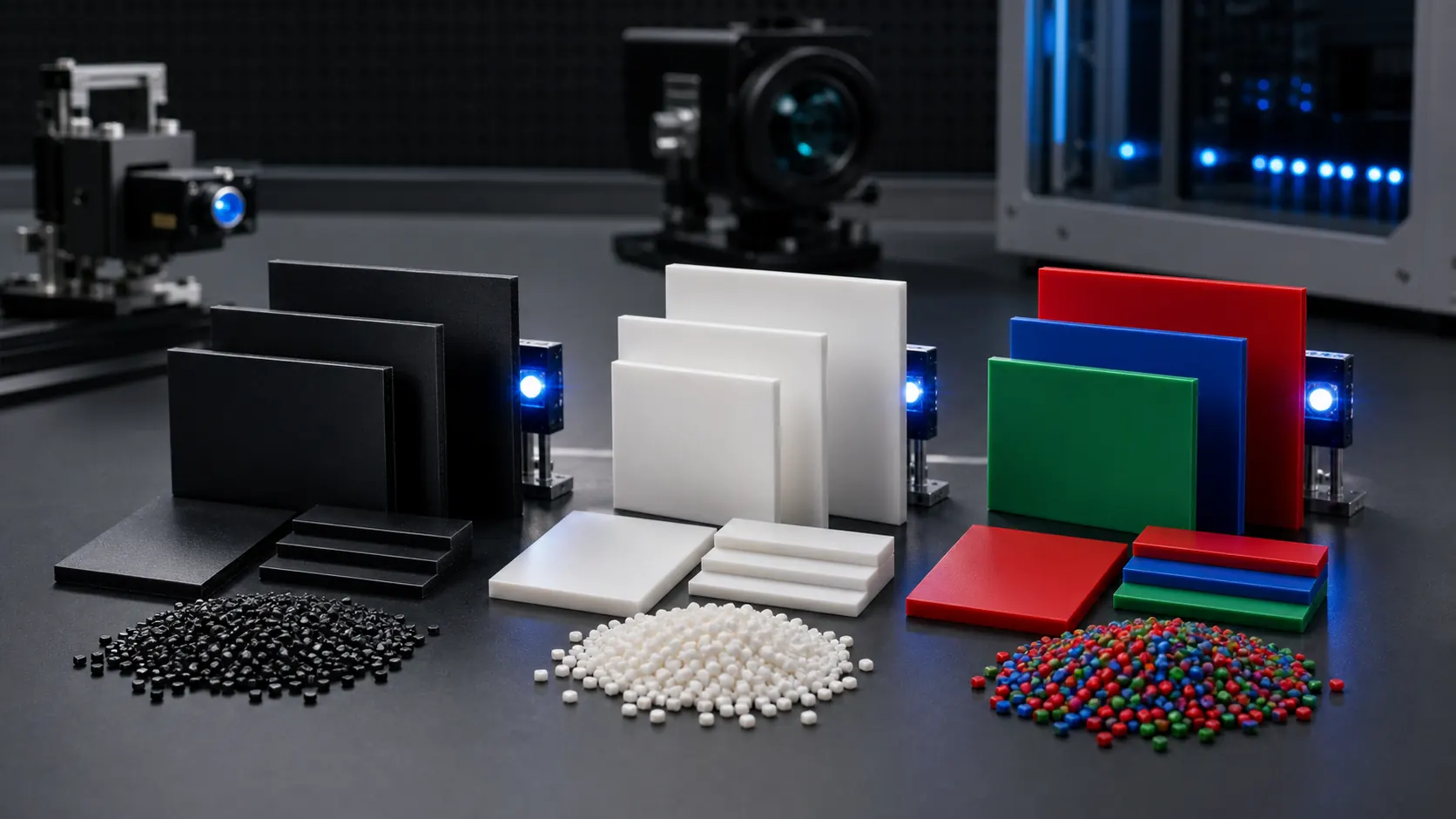 Black, White or Colored Light-Shielding Plastic: Which Route Fits Your Part?Compare black, white and colored light-blocking plastic routes for injection-molded parts, including opacity, wall thickness, pigment systems, appearance and part-level validation.
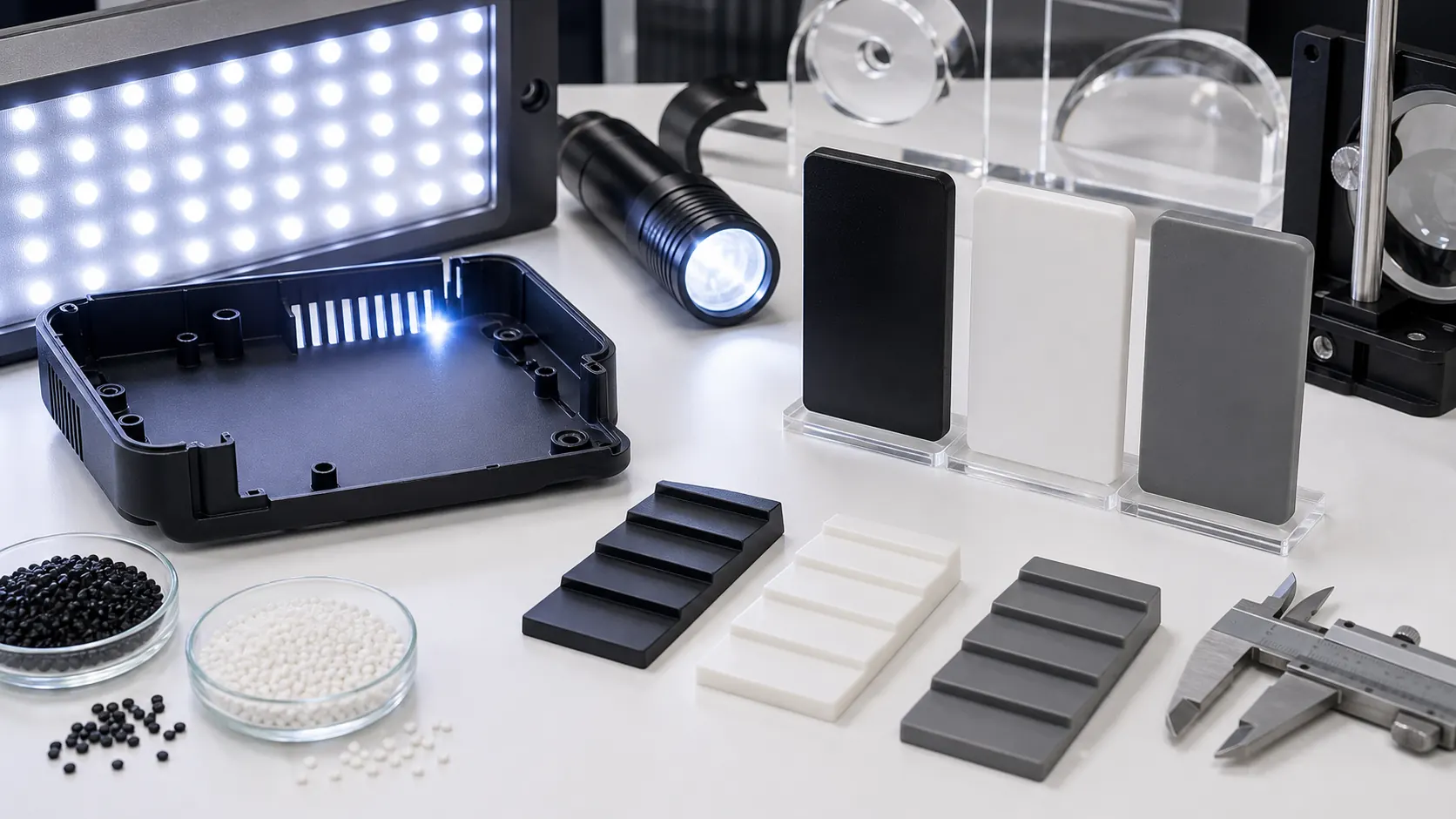 Light-Shielding Plastic Selection Guide: Opacity, Wall Thickness and Processing BalanceLearn how to select light-blocking plastic compounds by balancing opacity, wall thickness, pigment dispersion, processing stability and part-level validation for housings, covers, optical parts and electronic components.
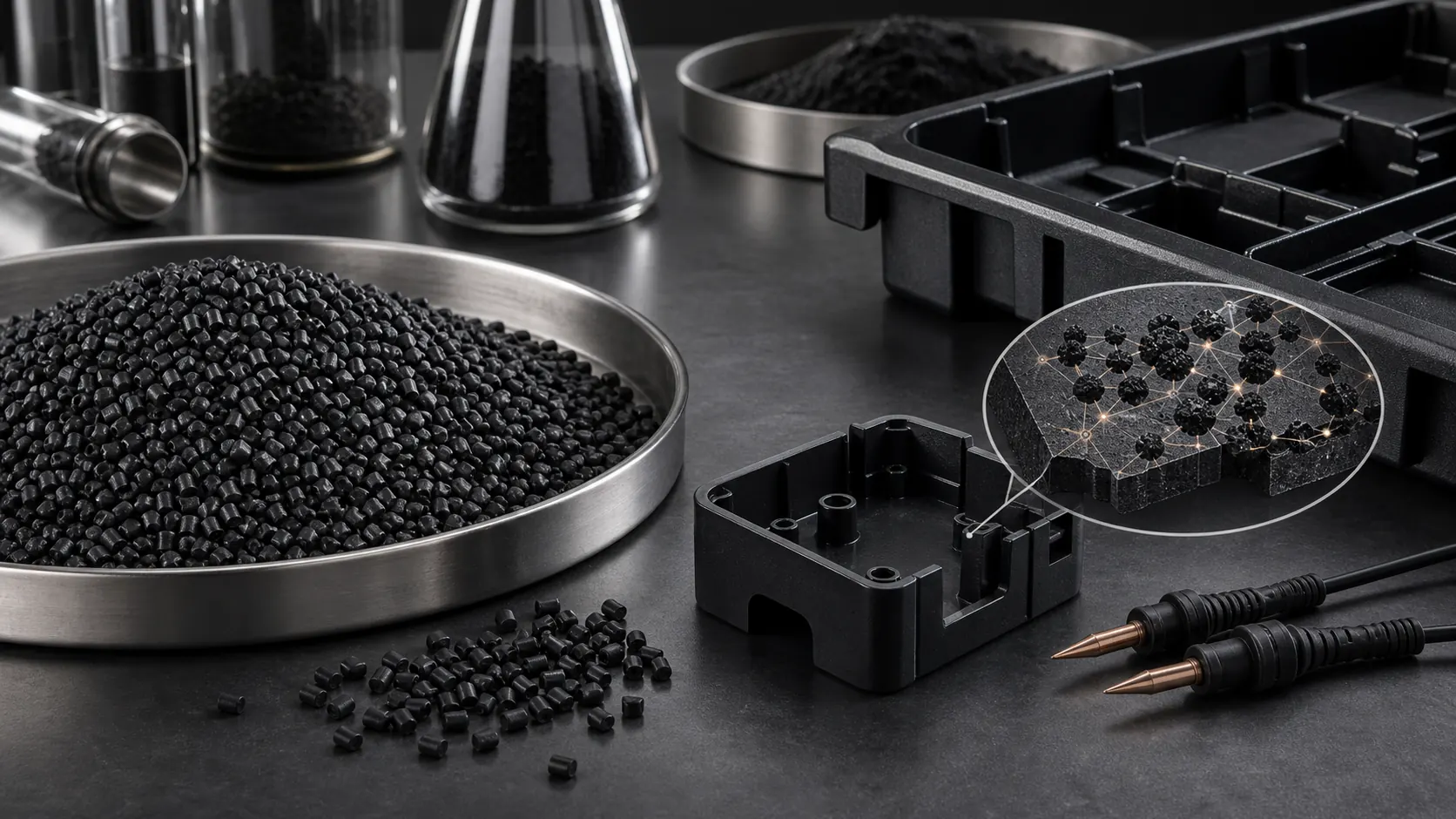 Carbon Black Conductive Plastics: Advantages, Limits and Application SelectionLearn how carbon black conductive plastics work, where they are suitable, what limits buyers should consider, and how DEYU evaluates conductive PP, PE, ABS, PA and POM compounds through trial validation.
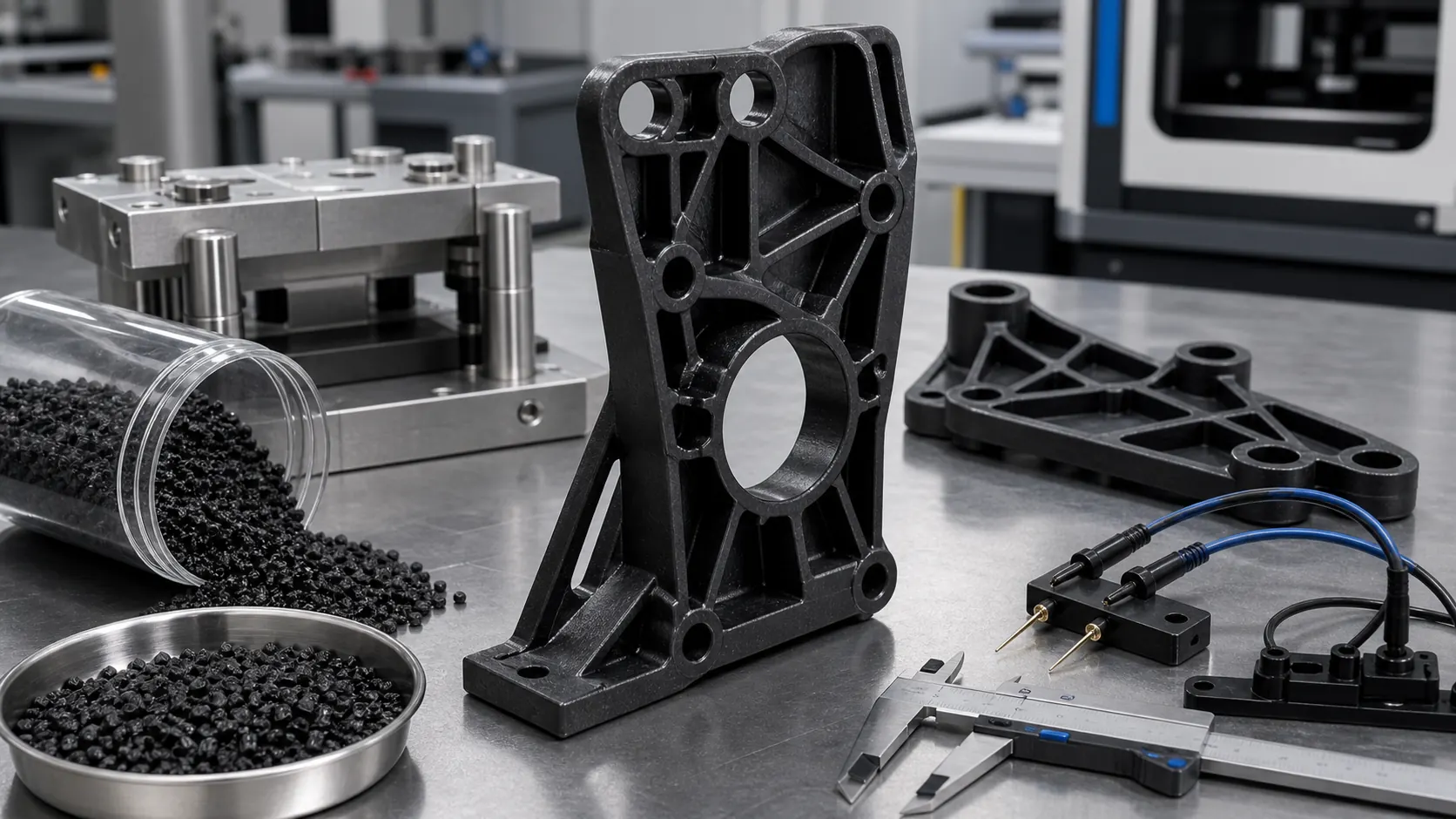 Carbon-Fiber Conductive PA66 for High-Strength Structural ComponentsDEYU DGK-PA66 CF15L-CF40L is a carbon-fiber reinforced conductive PA66 direction with customizable 15%-40% carbon fiber content for rigid conductive structural parts.
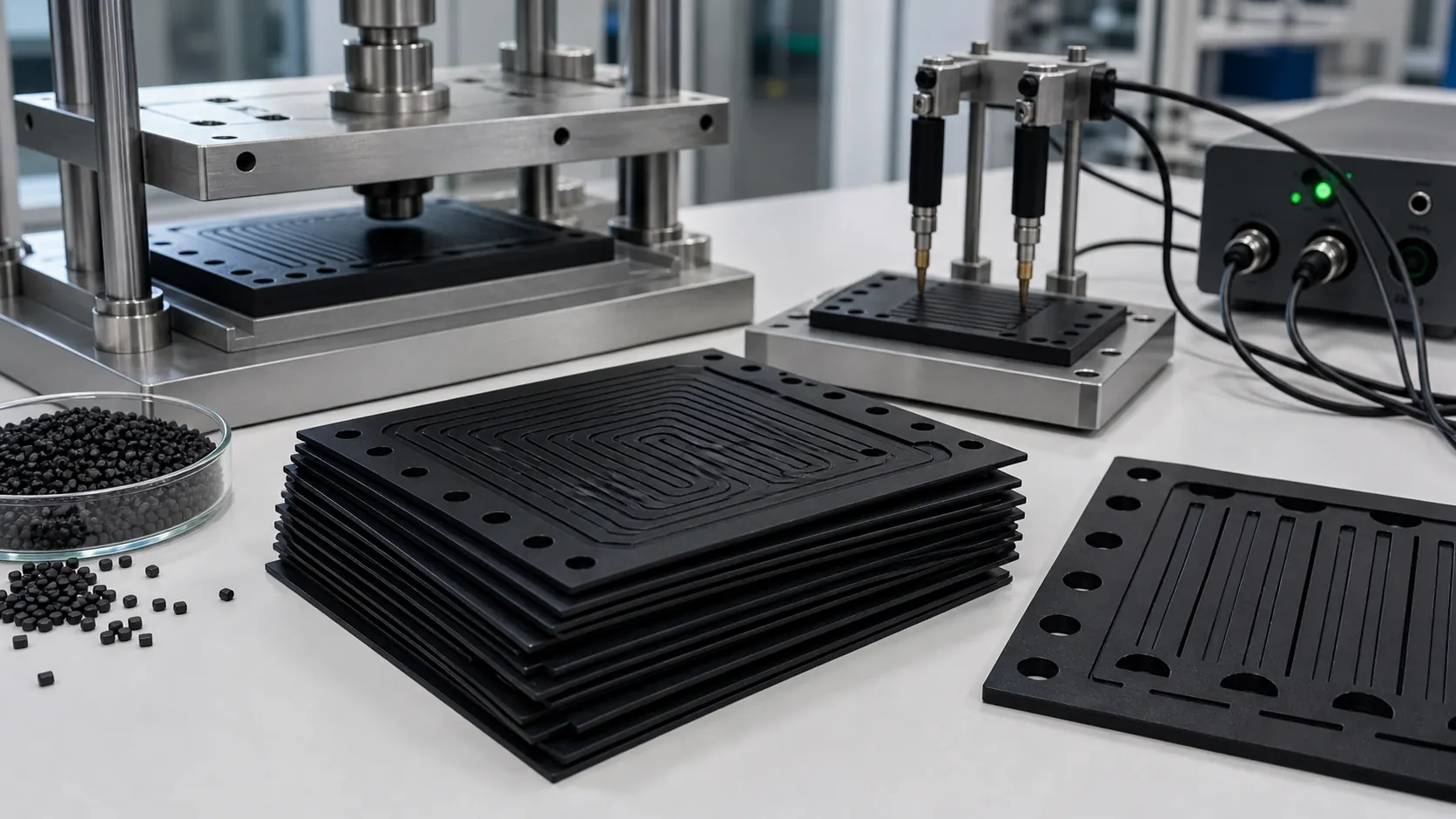 Highly Conductive PP (Polypropylene) for Bipolar Plate Development: What Data Matters?High-conductive PP plate development should evaluate resistance, volume-related conductivity, compression contact behavior, flatness, thickness uniformity and molding stability.
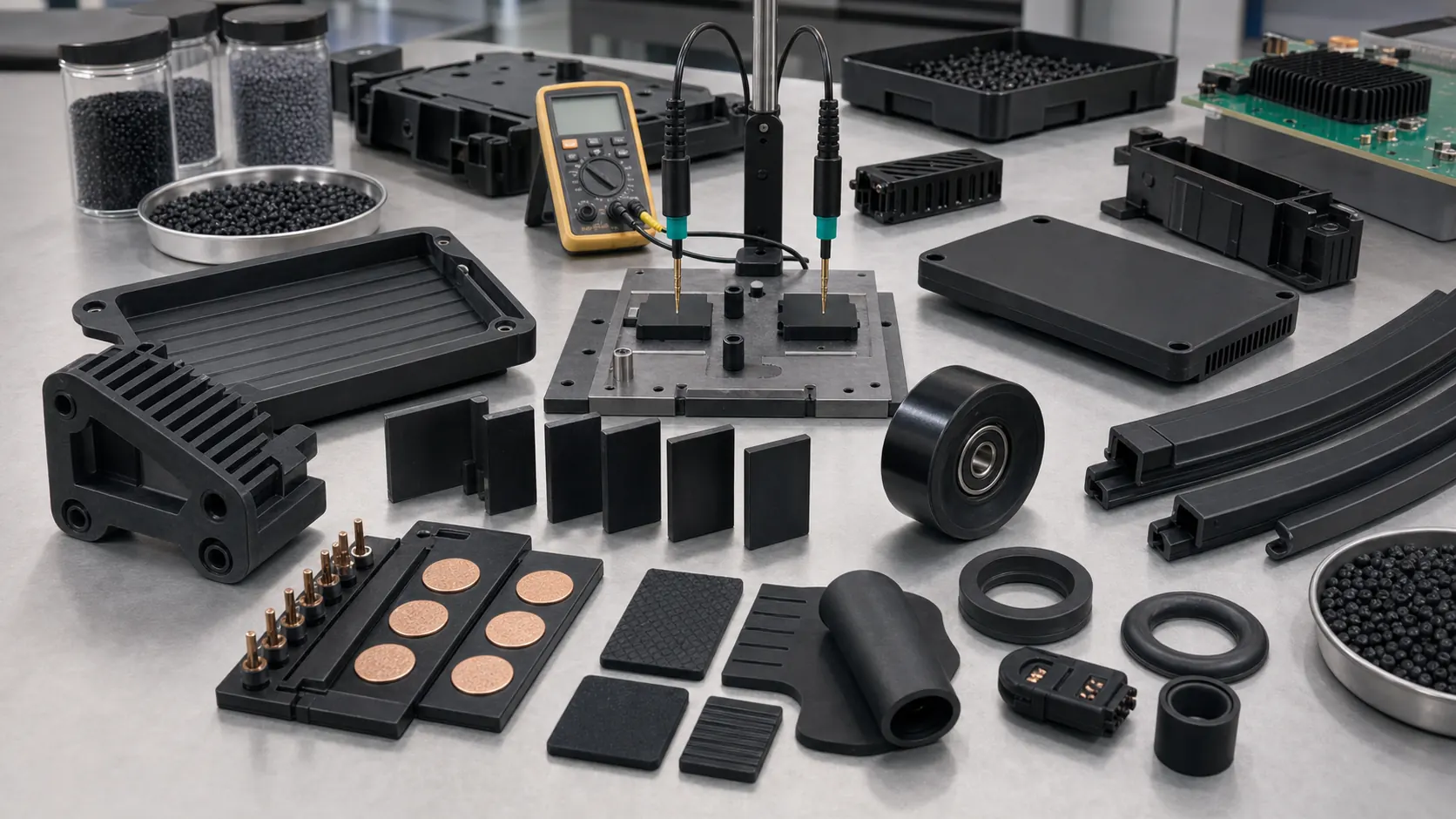 How to Choose Conductive Plastic Materials by Resin, Resistance and ApplicationChoose conductive plastic materials by matching base resin, resistance range, mechanical requirements, molding process and final-part validation across PP, PE, ABS, PA66, POM, TPU and TPR.
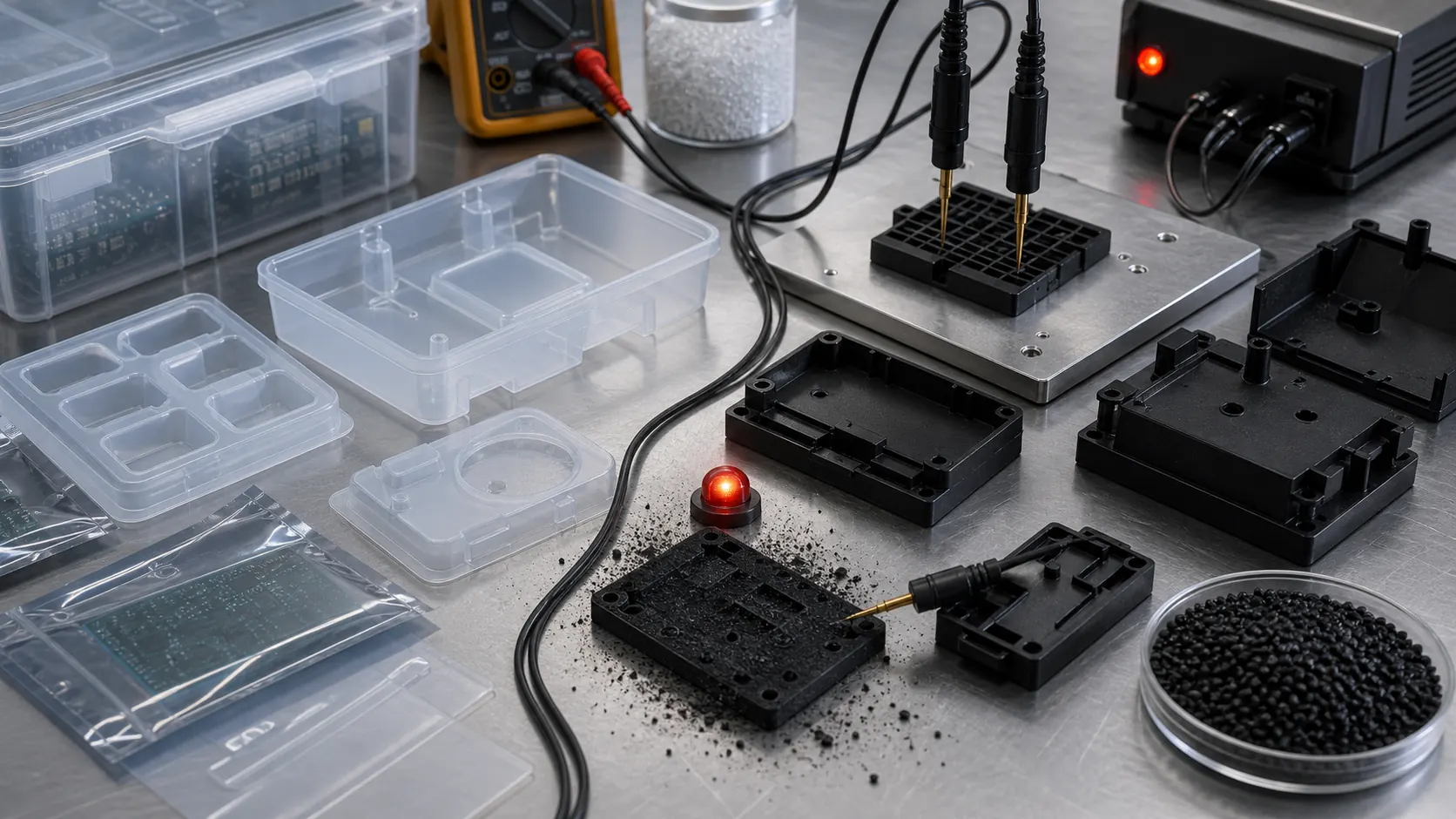 Conductive Plastic vs Antistatic Plastic: Why the Wrong Resistance Range Causes FailureConductive and antistatic plastics solve different electrical problems. Selecting the wrong resistance range can cause dust adhesion, ESD failure, poor molding or unnecessary brittleness.
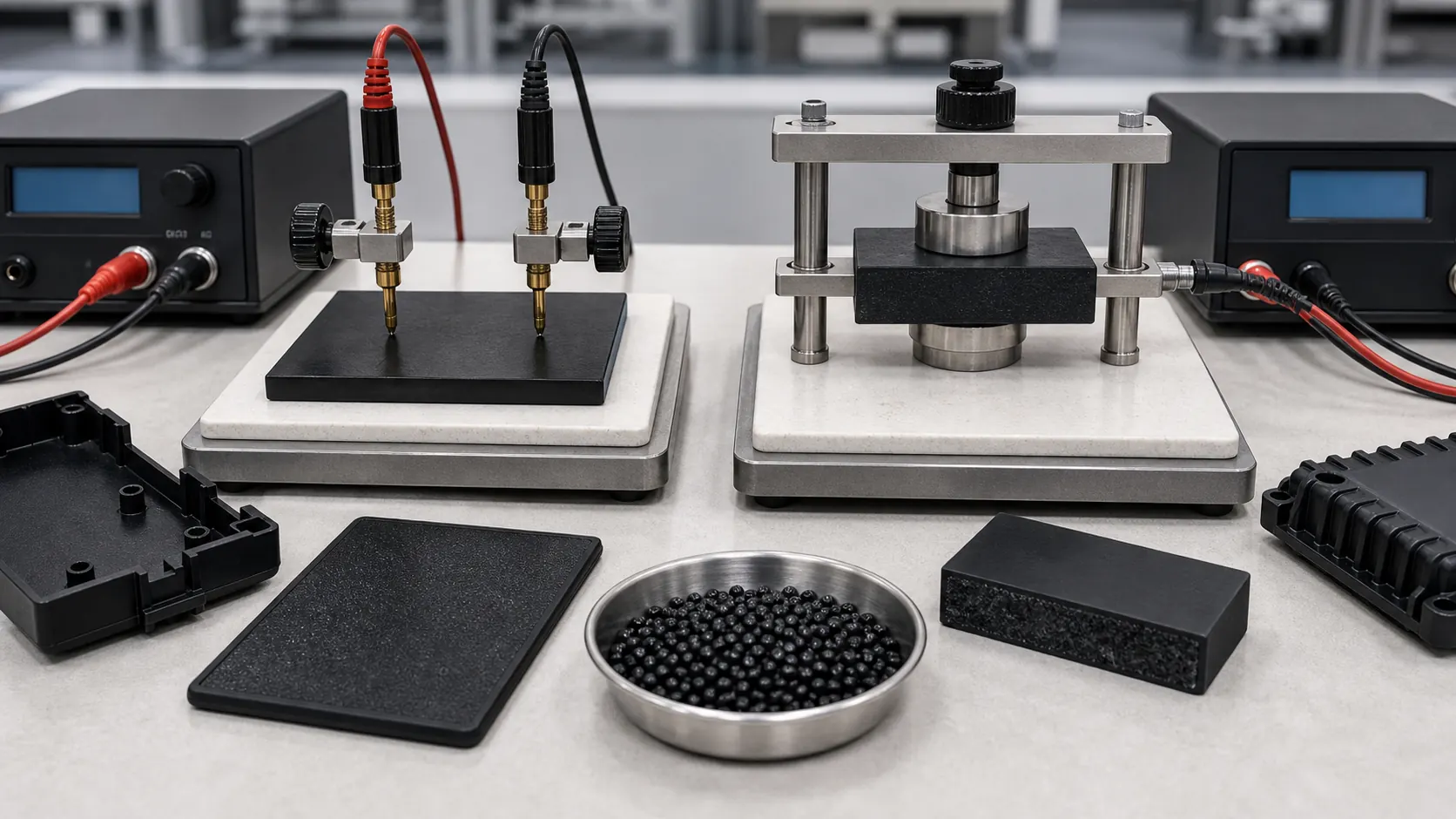 Surface Resistance vs Volume Resistance in Conductive Plastic TestingSurface resistance and volume resistance describe different electrical behavior. Conductive plastic validation should match the test method with the final molded part function and geometry.
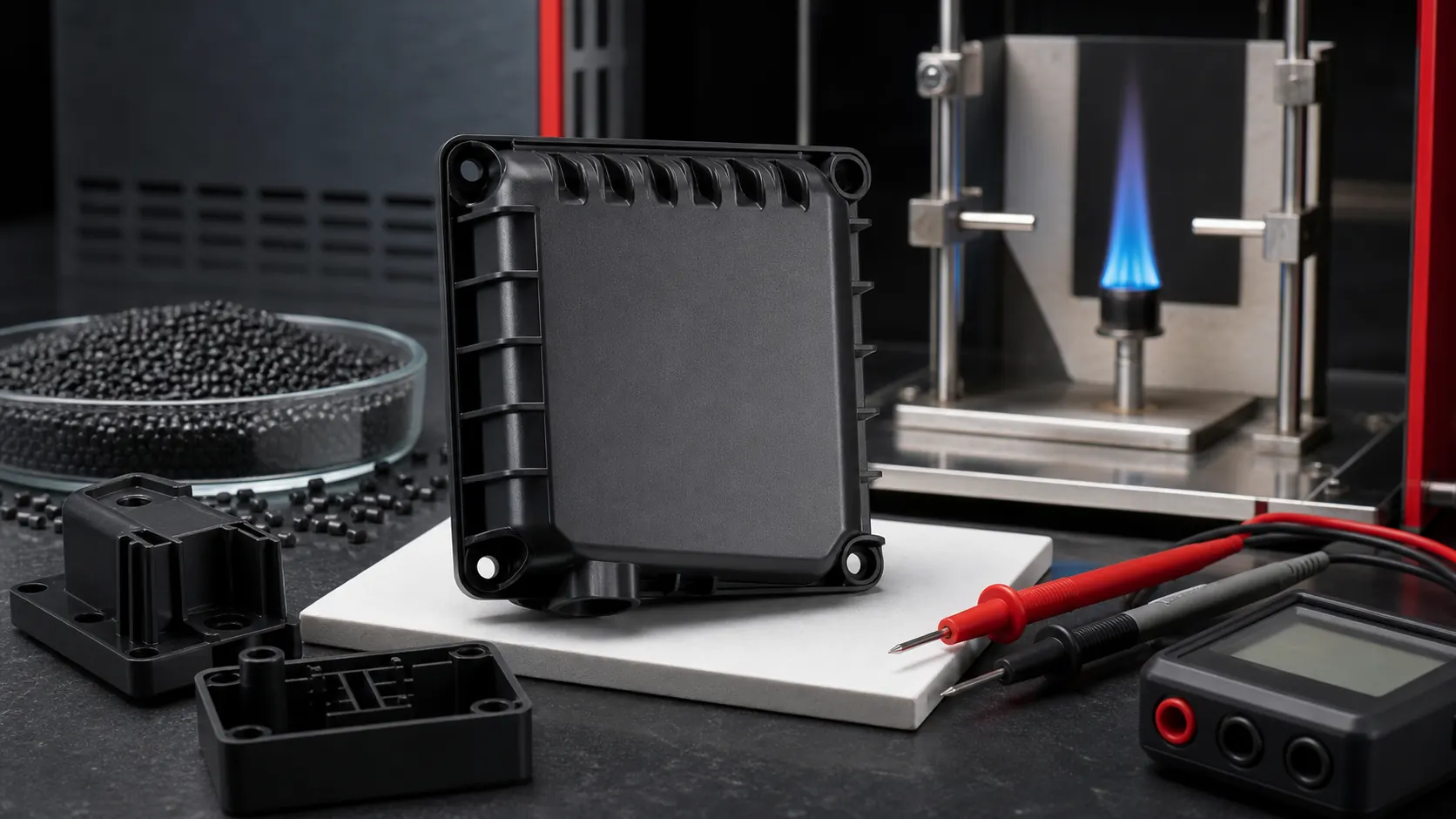 Why Is Flame-Retardant Conductive PP (Polypropylene) Difficult to Stabilize?Flame-retardant conductive PP must combine V-0 direction, 10^3-10^5 ohm resistance, black color, molding flow and mechanical strength. See how DEYU evaluates DGK-PP DD4-5A-JC.
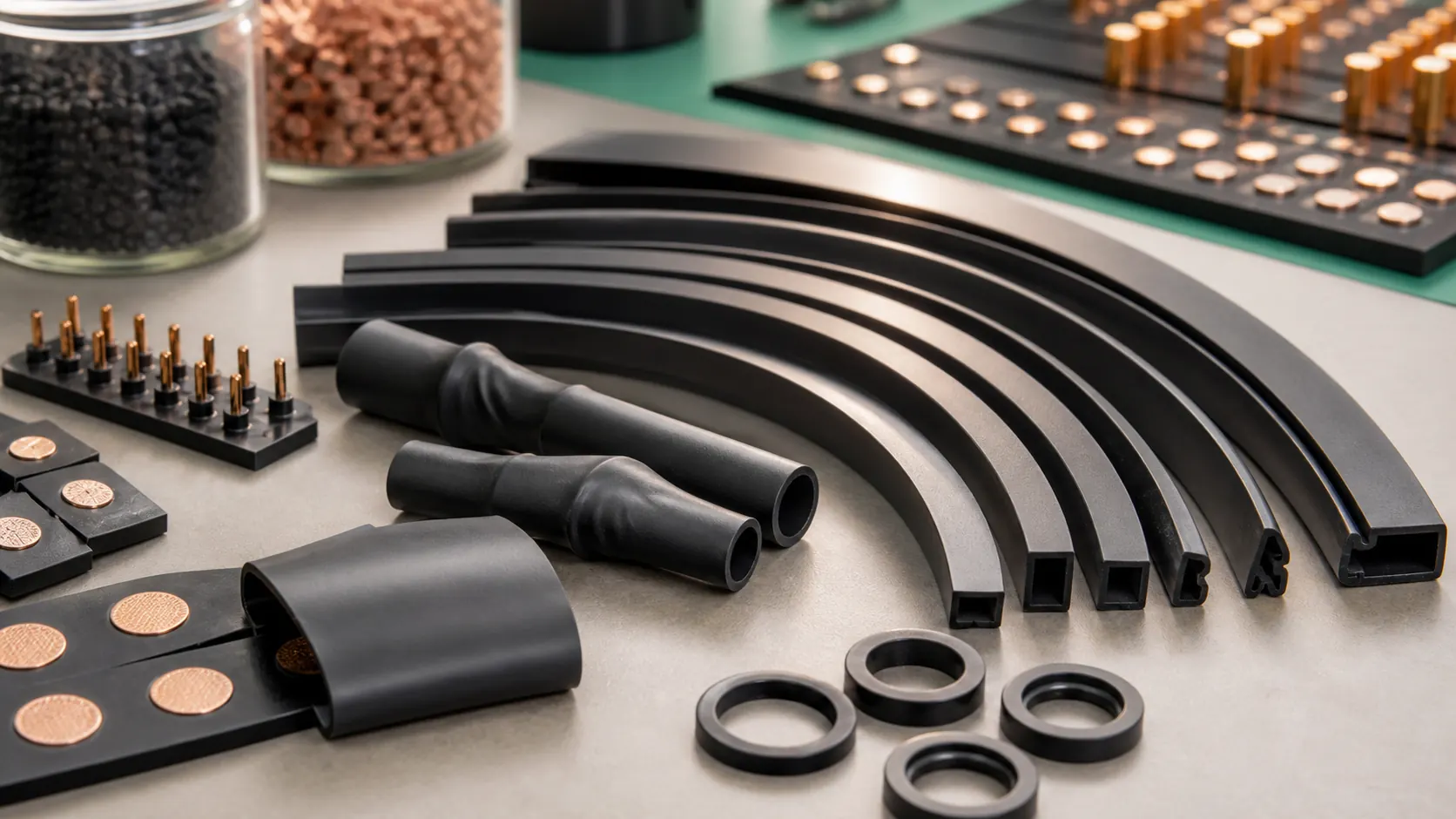 Conductive TPU and TPR for Flexible ESD Parts and Elastic Contact ComponentsCompare conductive TPU and TPR for flexible ESD parts, elastic contact components, sealing strips and electronic sleeves, using DEYU DGK-TPU DD3-4ML and DGK-TPR DD6-9A data directions.
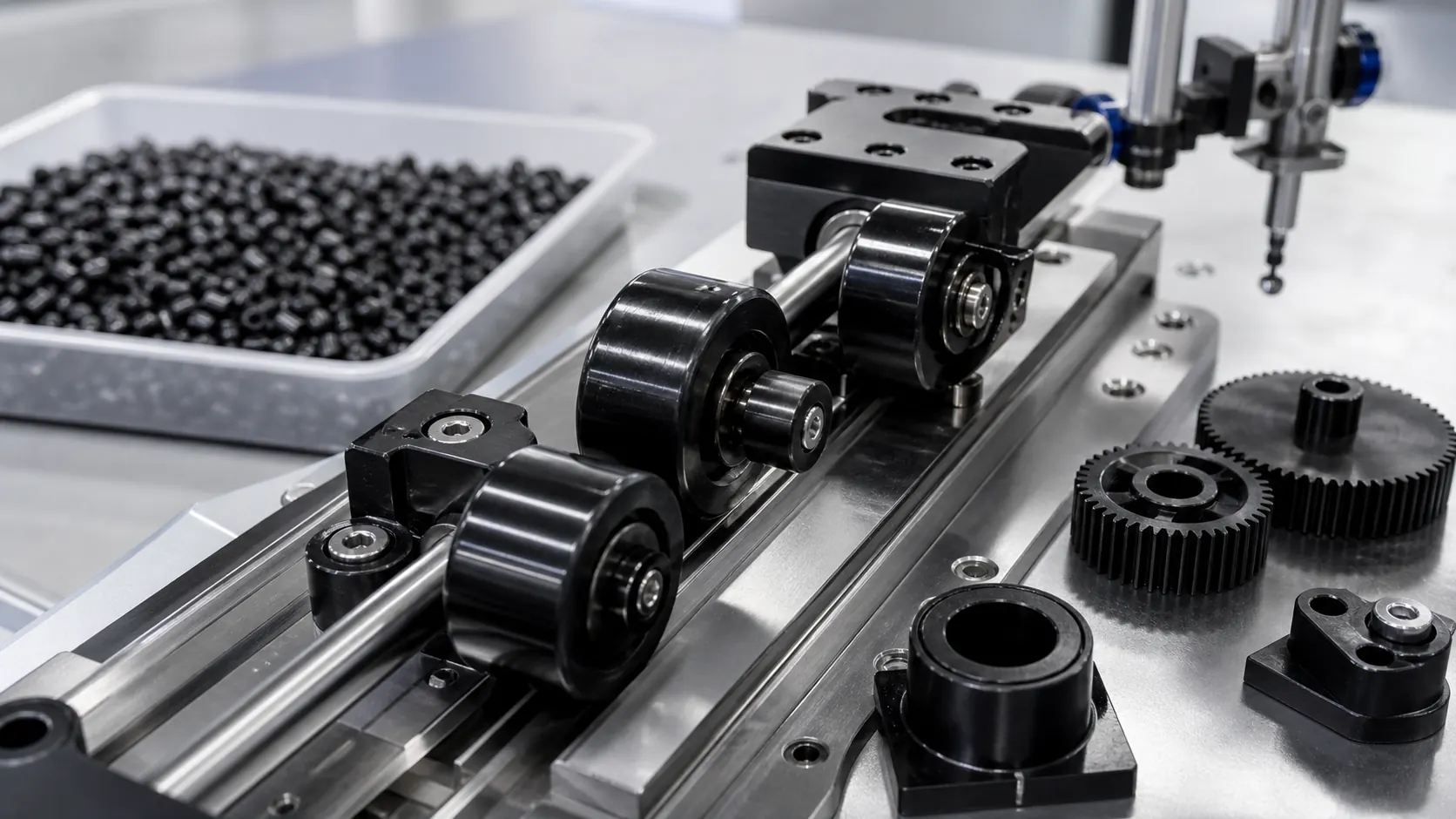 Conductive POM (Acetal) for Sliding Parts, Rollers and Precision ComponentsDGK-POM DD4-5ML is a conductive POM direction for ESD wear-resistant structural parts and electronic accessories, with 10^4-10^5 ohm resistance, glossy surface and good toughness.
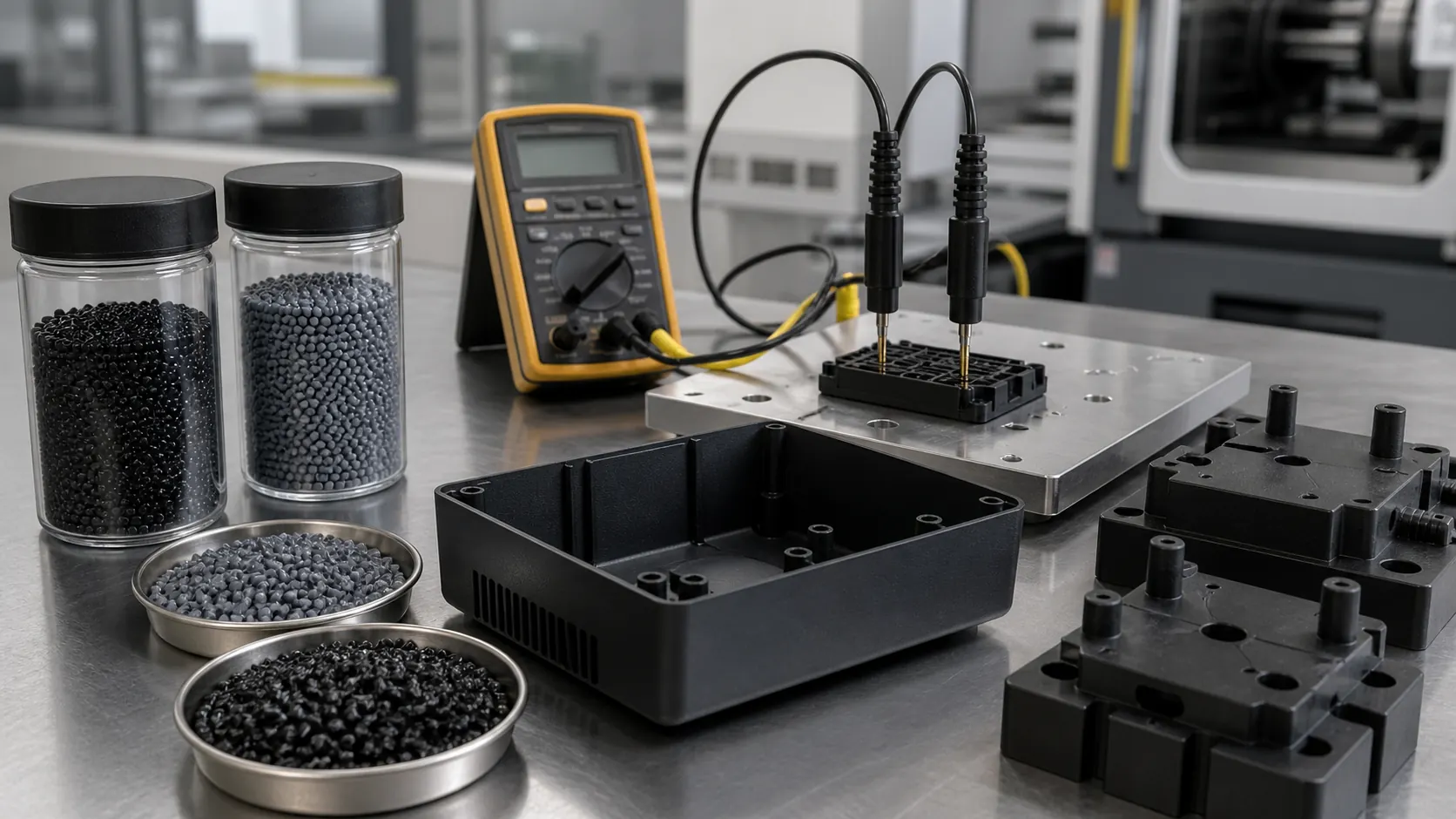 Graphite Conductive ABS for Housings, Fixtures and ESD Structural PartsDGK-ABS DD3C is a graphite conductive ABS compound direction for molded housings, fixtures and ESD structural parts, with surface resistance around 10^3-10^4 ohm.
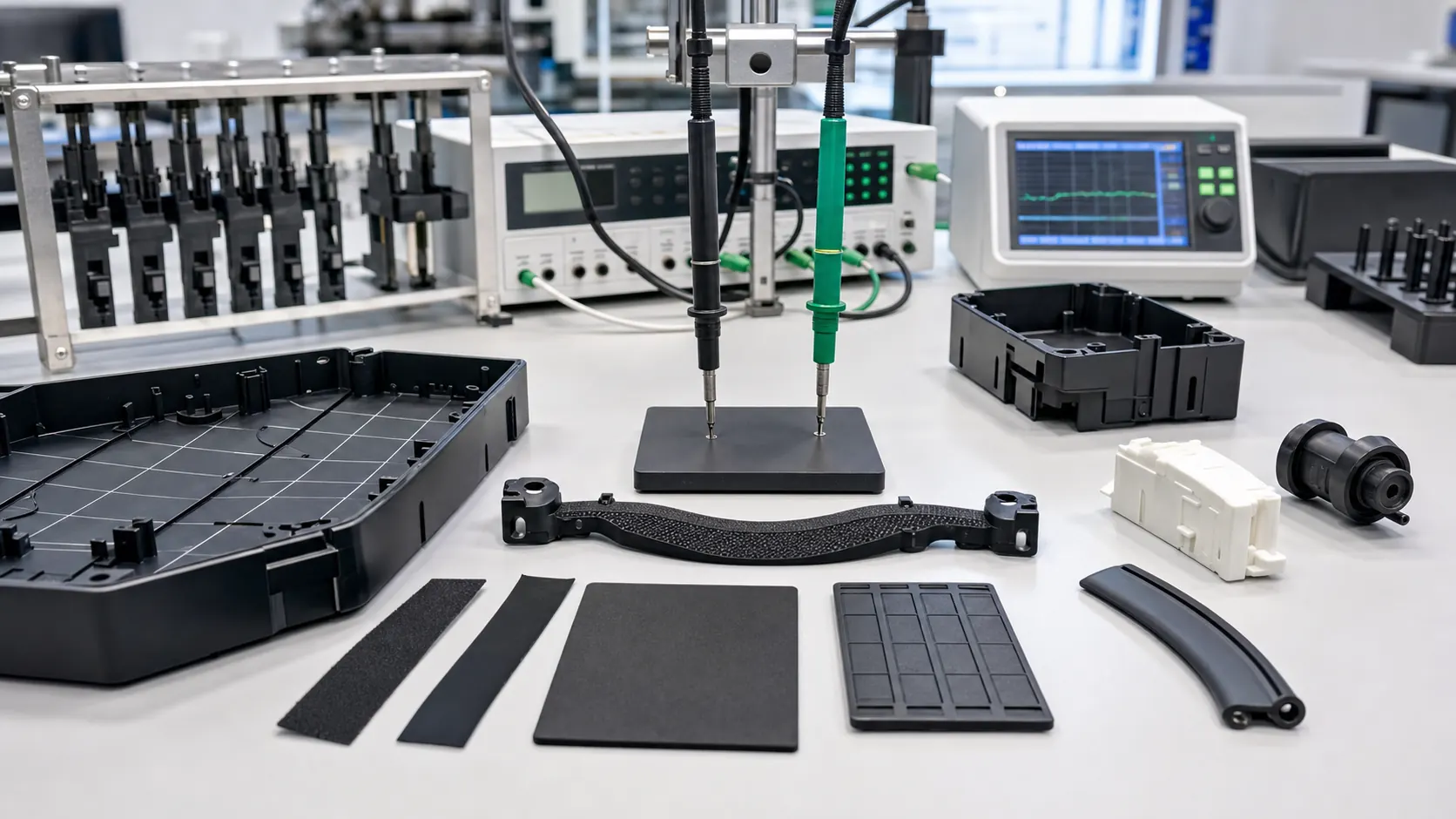 How to Validate Conductive Plastics: Resistance, Conductivity, Molding and Part-Level TestingConductive plastic validation should include surface resistance, volume resistance or conductivity when needed, molding stability, mechanical performance and final-part testing instead of relying on one pellet or plaque value.
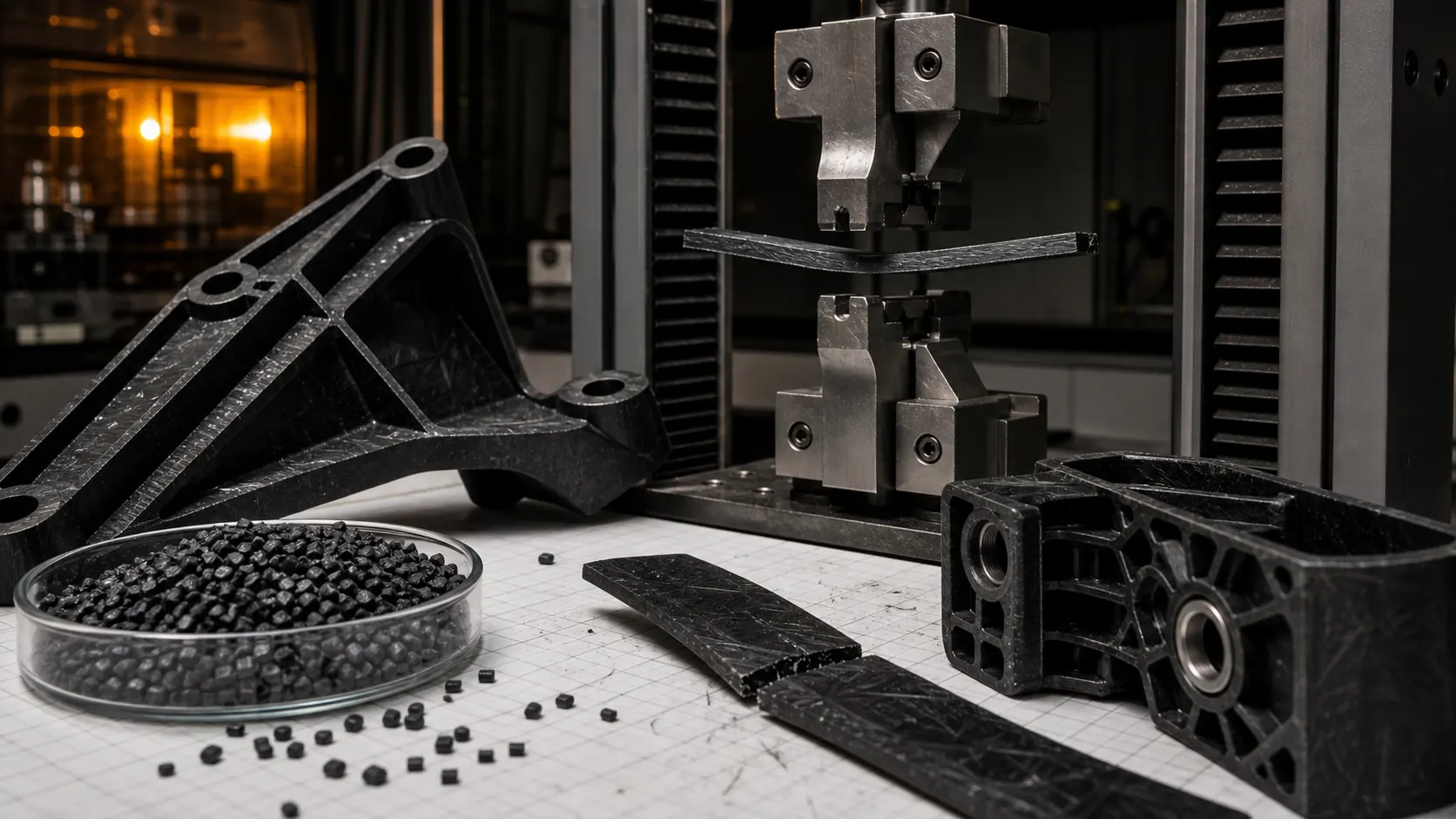 Why Do Carbon Fiber Conductive ABS and PA66 Parts Warp or Become Brittle?Carbon-fiber conductive ABS and PA66 can improve stiffness and conductivity, but poor fiber balance, shrinkage control, toughness design or molding conditions may cause warpage, brittleness and assembly cracking.
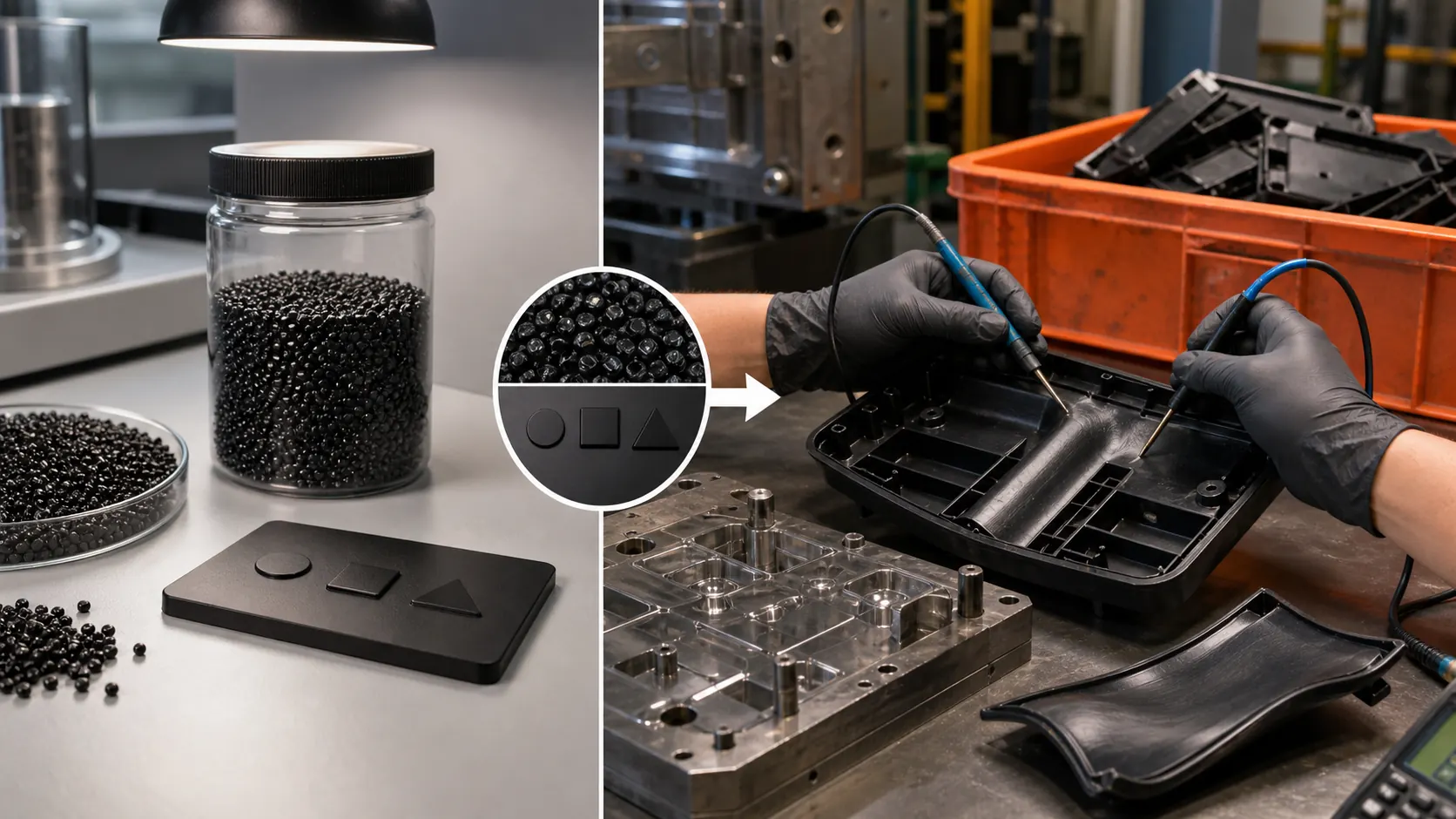 Why Does Conductive PP (Polypropylene) Pass Pellet Testing but Fail After Injection Molding?Conductive PP may pass pellet or plaque testing but fail after injection molding because filler orientation, gate position, wall thickness, drying, melt flow and process settings change resistance and mechanical behavior.
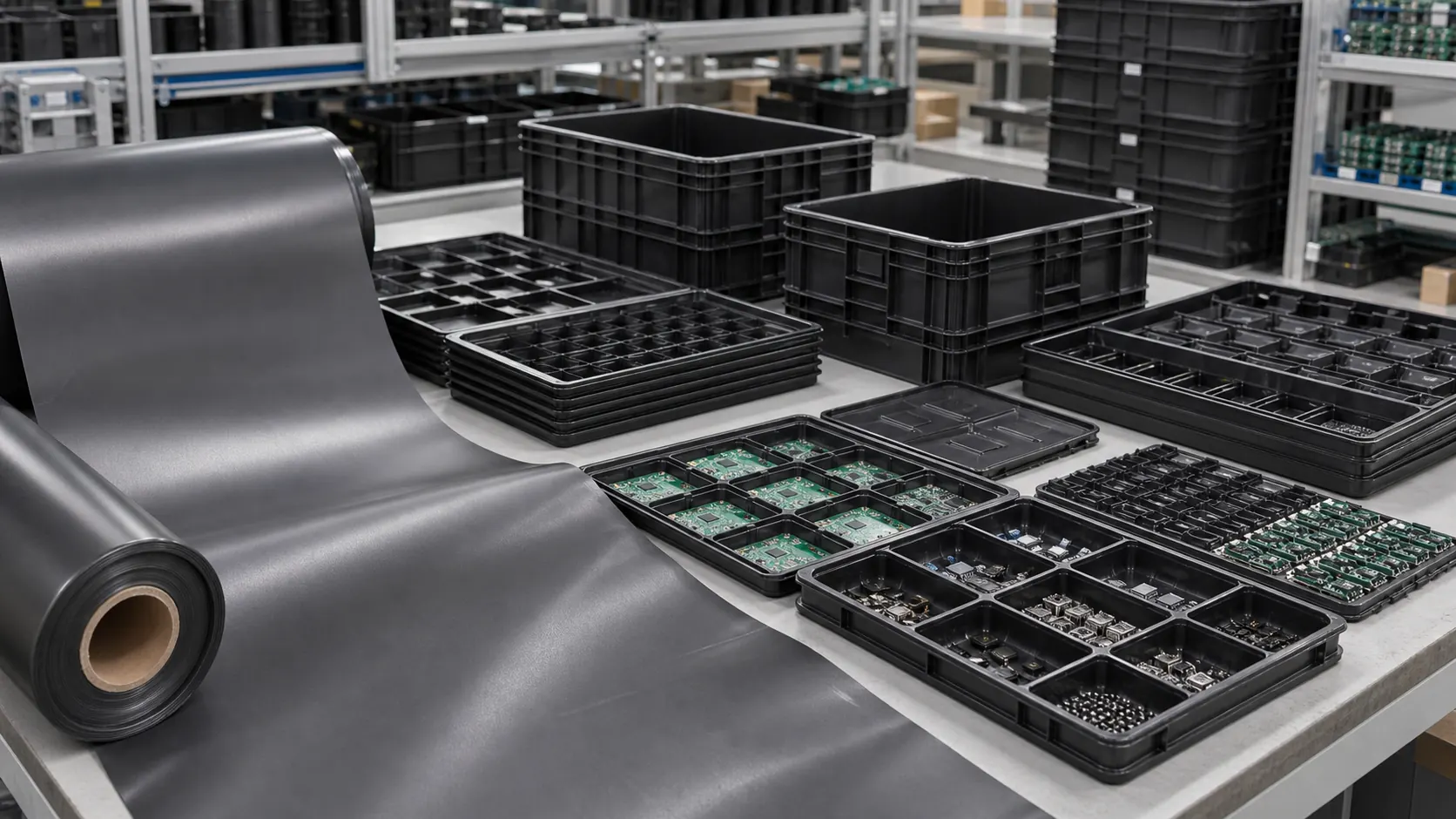 Conductive PE and PP for ESD Trays, Liners and Logistics ComponentsConductive PE and PP materials are used for ESD trays, liners, logistics boxes and handling parts where resistance stability, dust reduction, impact behavior and stacking performance must be validated.
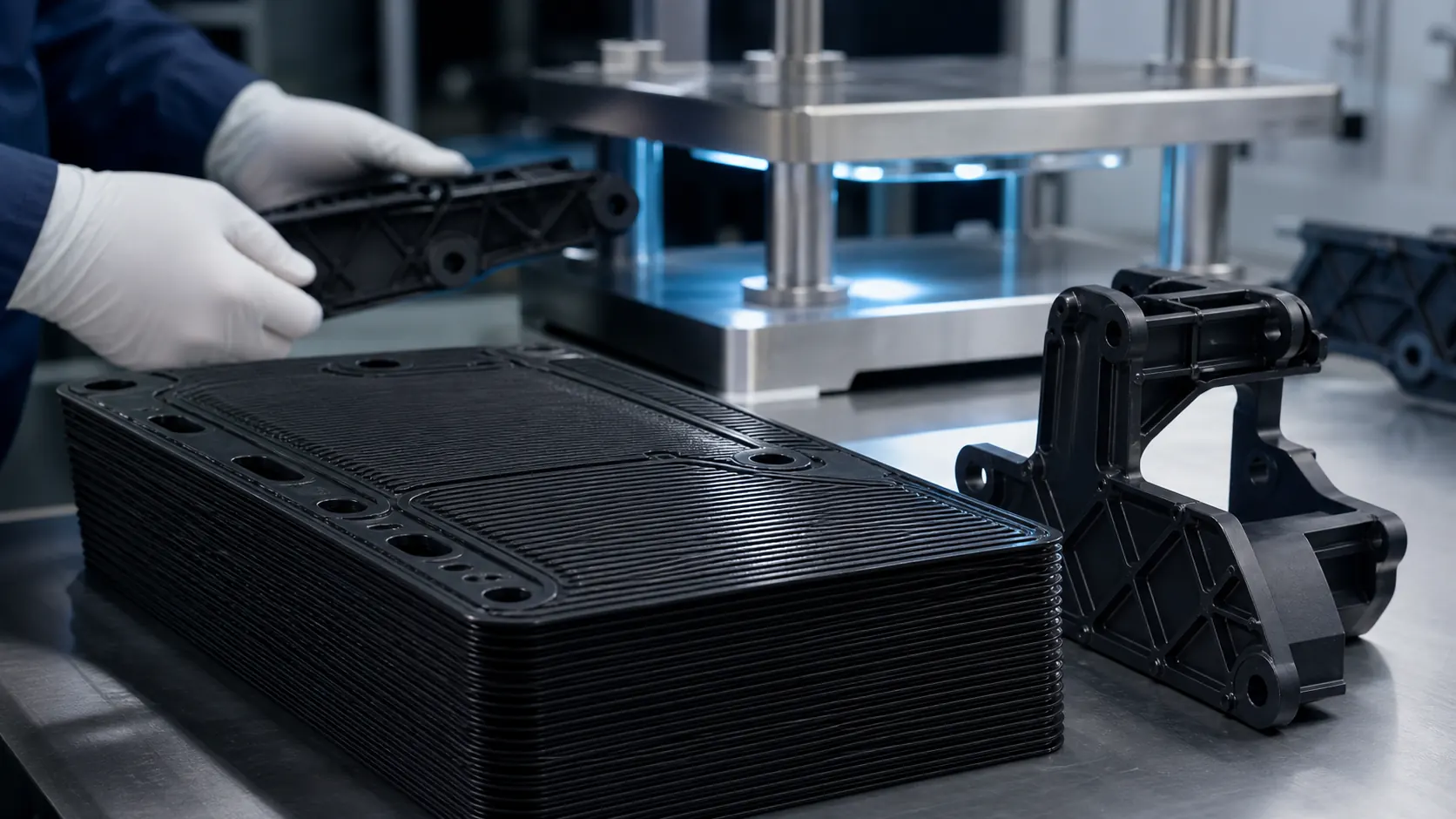 Conductive PP (Polypropylene) for Bipolar Plates and Conductive Structural PartsConductive PP can be used for bipolar plates, conductive structural parts and low-resistance molded components when conductivity, flatness, compression stability and molding consistency are validated together.
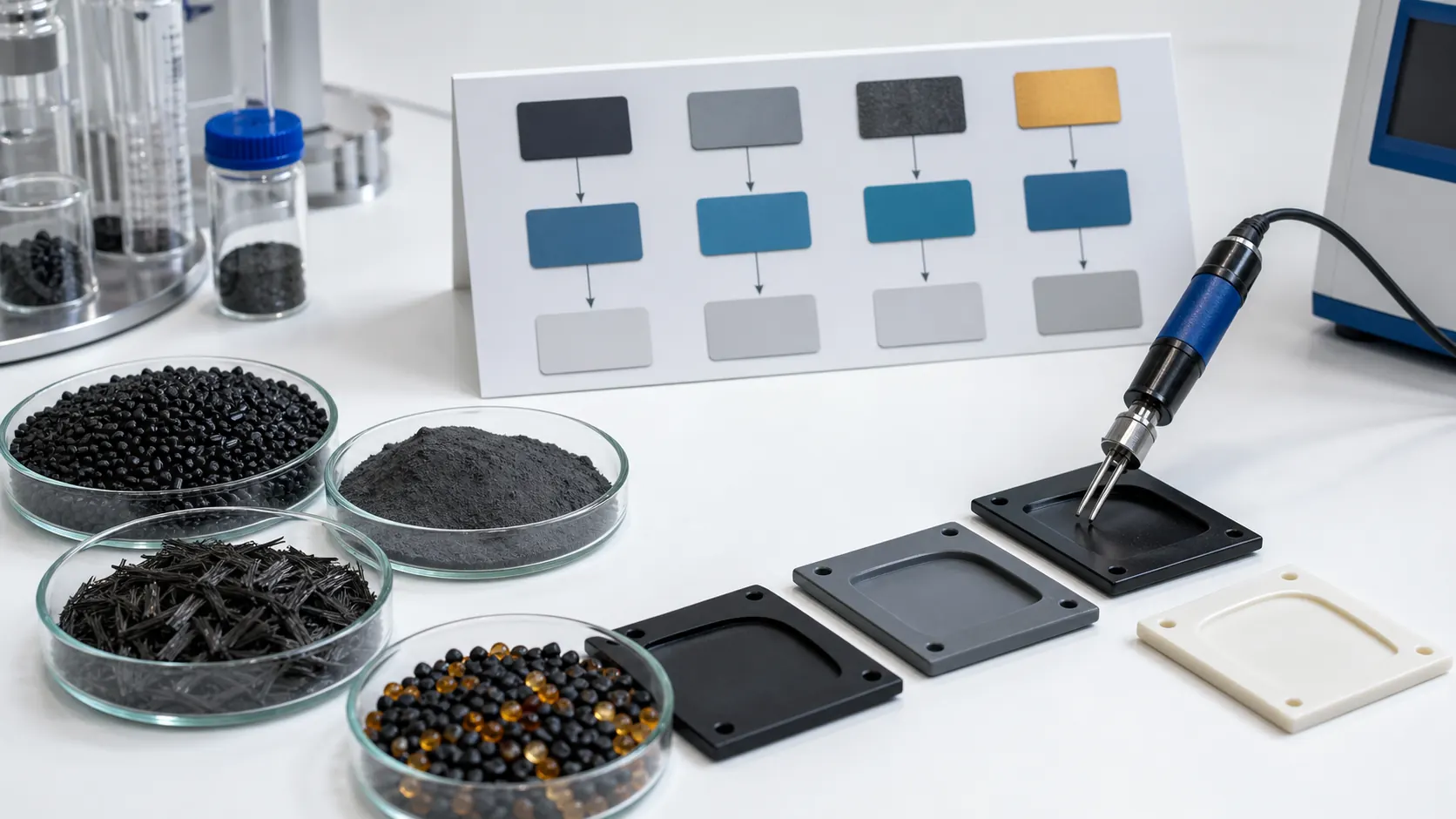 Conductive Plastic Compounds: How to Choose Carbon Black, Graphite, Carbon Fiber and Conductive MasterbatchLearn how to select conductive plastic compounds by resin, resistance target, strength, molding stability and application requirements. DEYU DGK conductive materials cover PP, PE, ABS, PA66, POM, TPU and TPR.
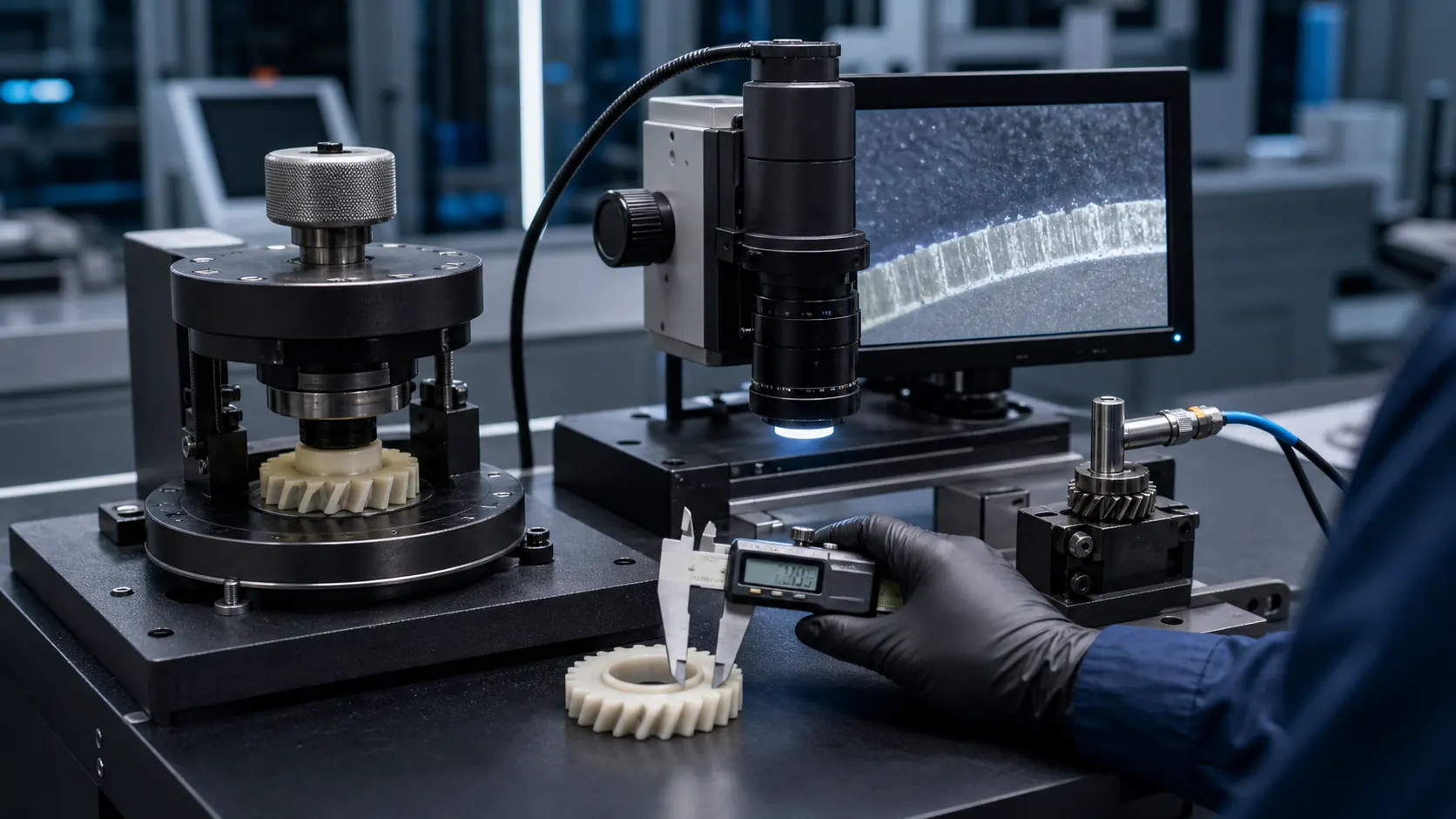 How to Validate Wear-Resistant Plastic Compounds: Wear Depth, Defect Rate, Noise, and Final-Part TestingWear-resistant plastic compounds should be validated by final-part performance, not only by material datasheets. This article explains how to evaluate wear-resistant POM, PA66, POM + PTFE, aramid reinforced PA66, glass-fiber reinforced plastics, and DEYU DGK wear-resistant compounds using wear depth, friction, noise, defect rate, and replacement cycle.
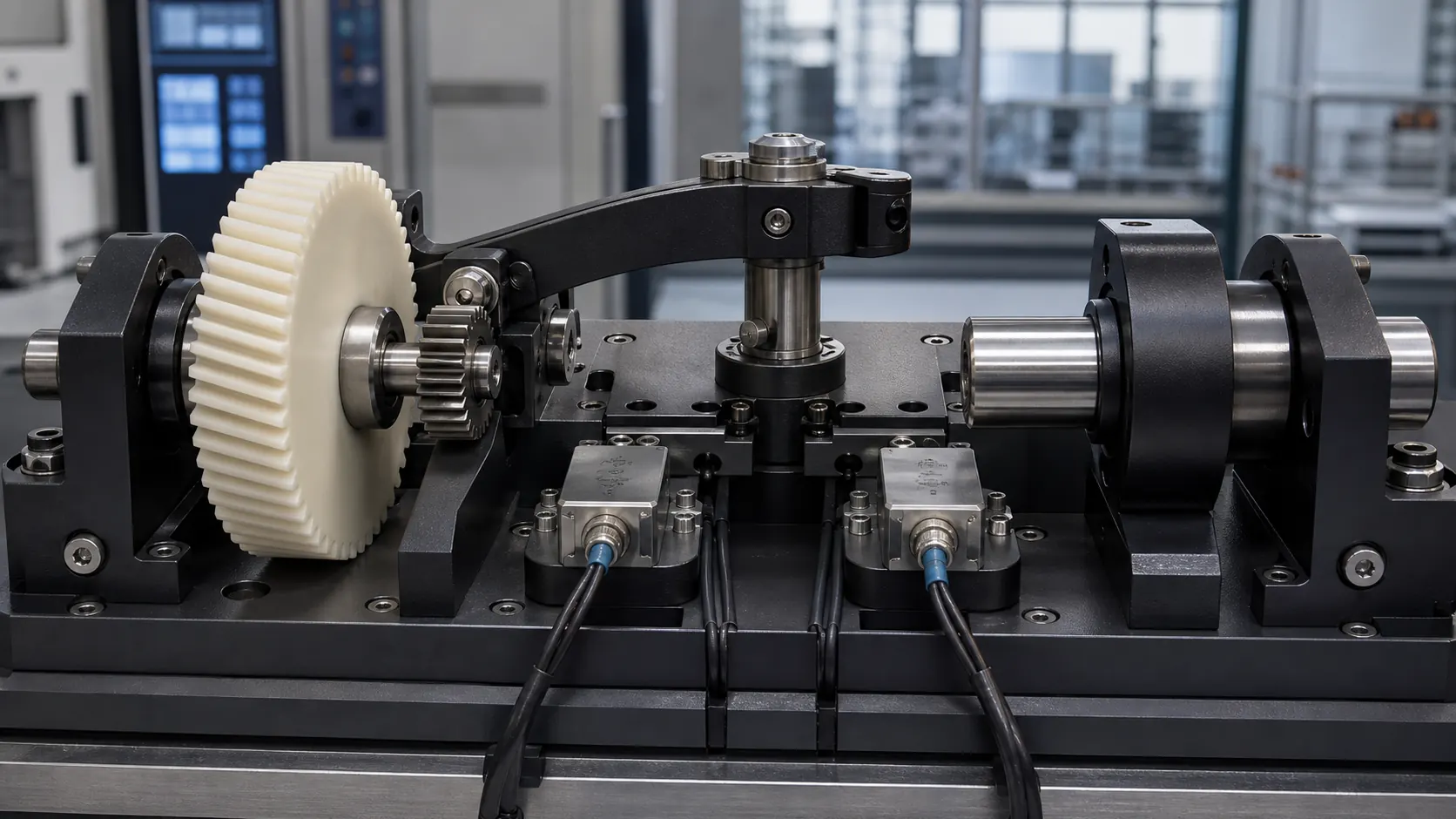 POM vs PA66 for Wear-Resistant Plastic Parts: Base Resin SelectionPOM and PA66 are two common engineering plastics for wear-resistant parts. POM offers low friction and dimensional stability, while PA66 offers toughness, strength, and load-bearing ability. This article compares wear-resistant POM, POM + PTFE, aramid reinforced PA66, glass-fiber reinforced PA66, and DEYU DGK-POM TF90M and DGK-PA66 FL20L validation routes.
 Why Does a Wear-Resistant Plastic Part Have High Scrap Rate During Injection Molding?Wear-resistant plastic compounds may reduce wear but still cause high molding scrap if flowability, shrinkage, fiber dispersion, toughness, or mold temperature is not balanced. This article explains how DEYU uses DEYU formulation tuning to reduce molding defects while keeping wear performance.
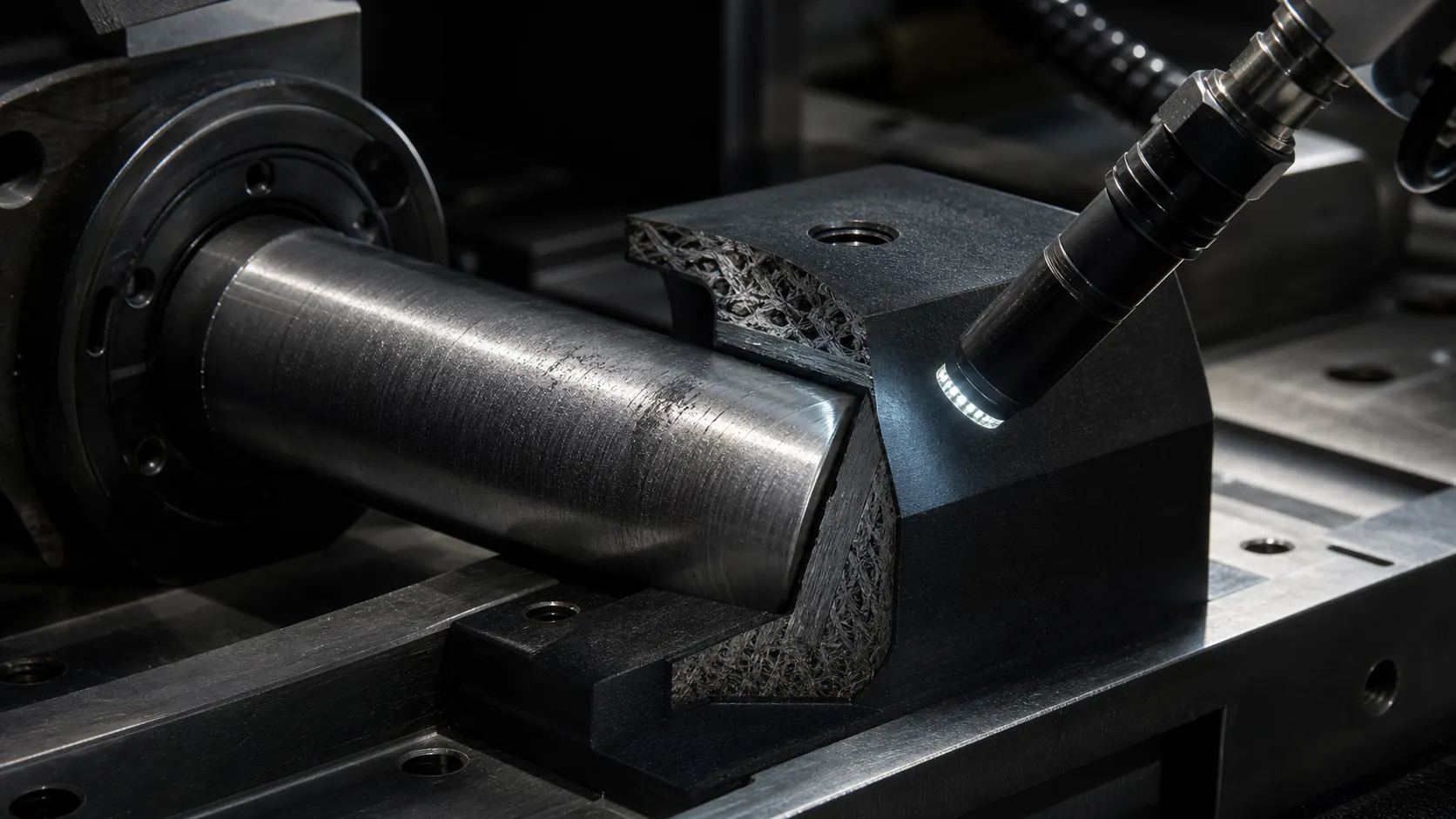 Why Does Glass-Fiber Reinforced Plastic Sometimes Wear the Mating Surface?Glass-fiber reinforced plastics improve stiffness and dimensional stability, but in some sliding parts they may scratch or wear the mating surface. This article explains the cause and how DEYU balances glass fiber, PTFE, aramid fiber, and hybrid wear-resistant routes in DEYU wear-resistant compounds.
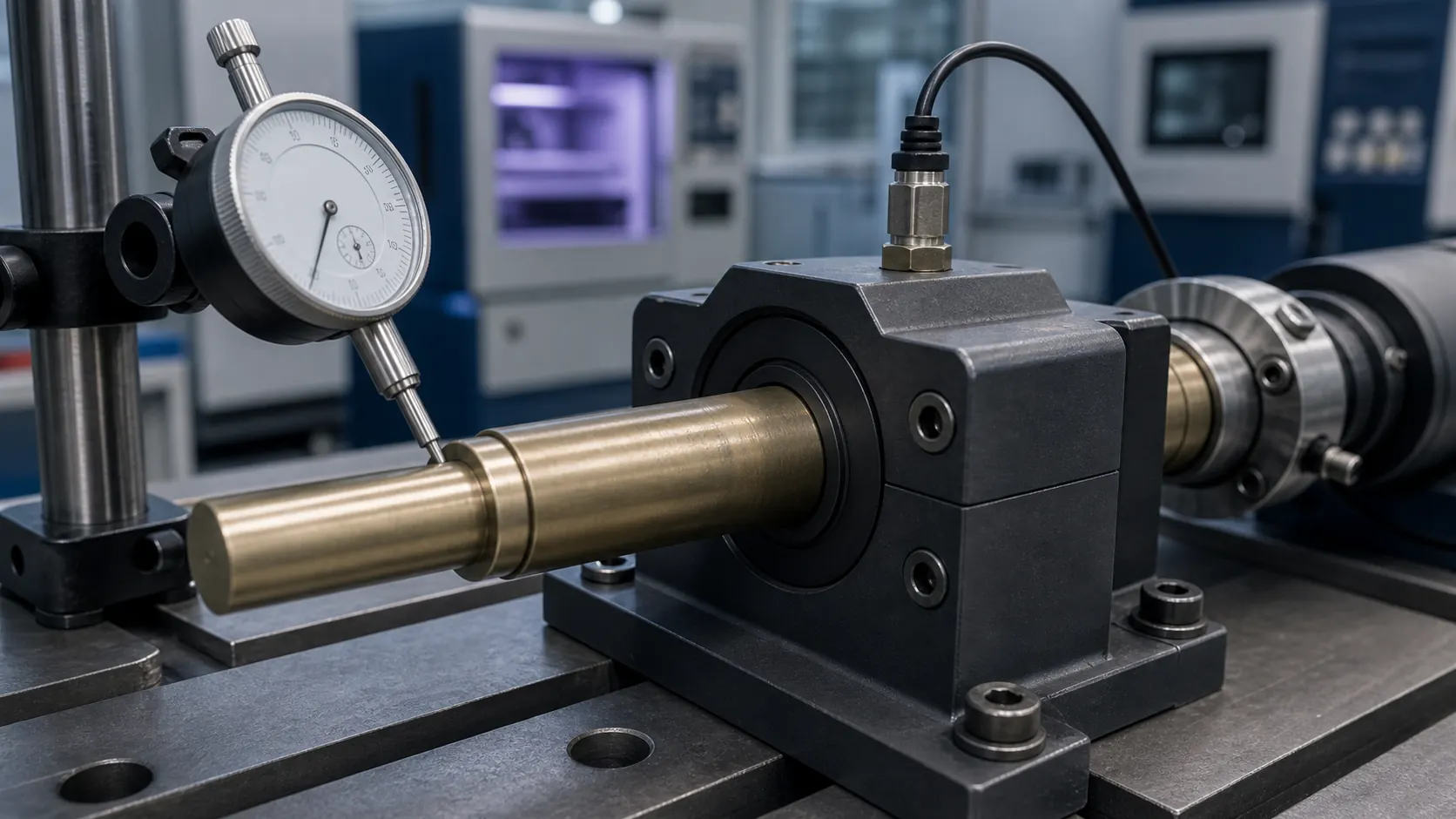 PA66 Bushing Clearance Growth and Vibration: Aramid Solution RoutePA66 bushings may show clearance growth, vibration, wear powder, and shortened replacement cycles after repeated movement. This article explains why ordinary nylon bushings fail and how DEYU uses DGK-PA66 FL20L aramid reinforced PA66 for wear-resistant validation.
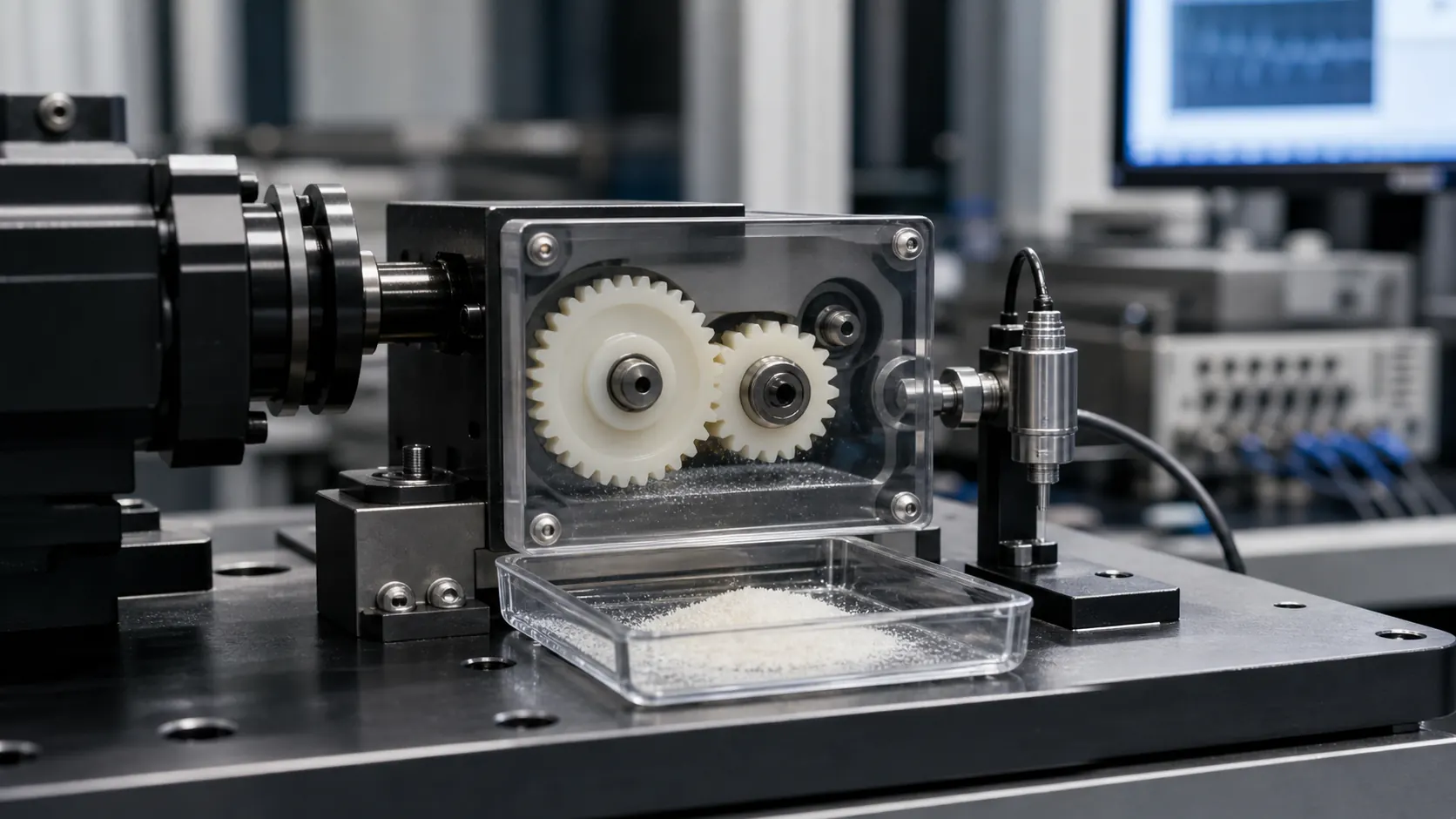 Why Do POM Gears Produce Wear Powder and Noise After Long-Term Running?POM gears are widely used in small transmission parts, but ordinary POM may produce wear powder, noise, tooth surface wear, and unstable meshing after long-cycle operation. This article explains the reasons and shows how DEYU uses DGK-POM TF90M POM + PTFE wear-resistant compound direction for customer validation.
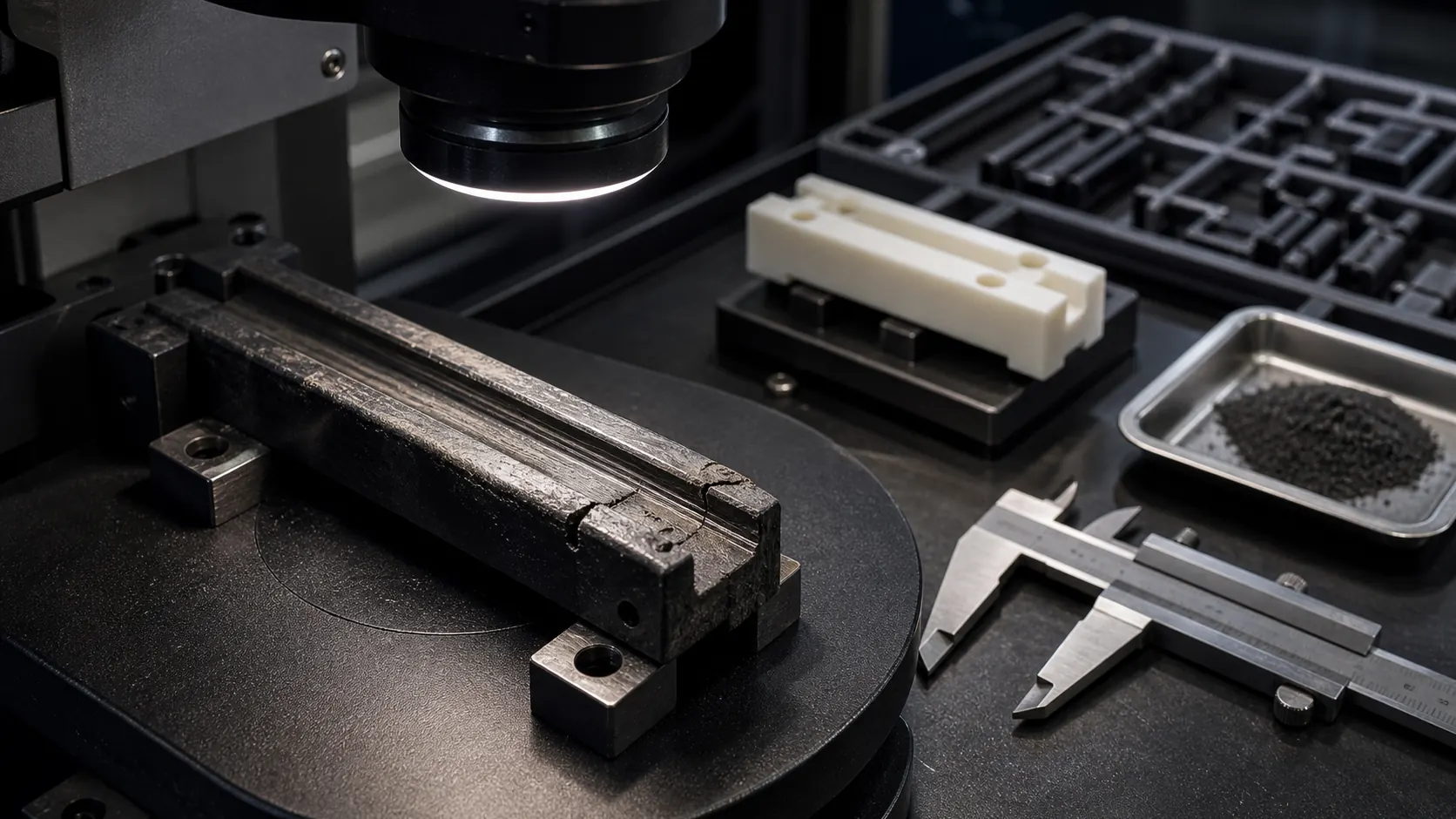 Why Wear-Resistant Plastic Parts Still Fail: Defect Rate, Wear Depth, Noise, and Process TuningWear-resistant plastics may still fail if the material route does not match the friction pair, load, molding process, part geometry, or service condition. This article explains how to diagnose wear depth, high defect rate, noise, cracking, powder generation, and mating-surface damage, and how DEYU supports DGK-POM FL100T material tuning and customer validation.
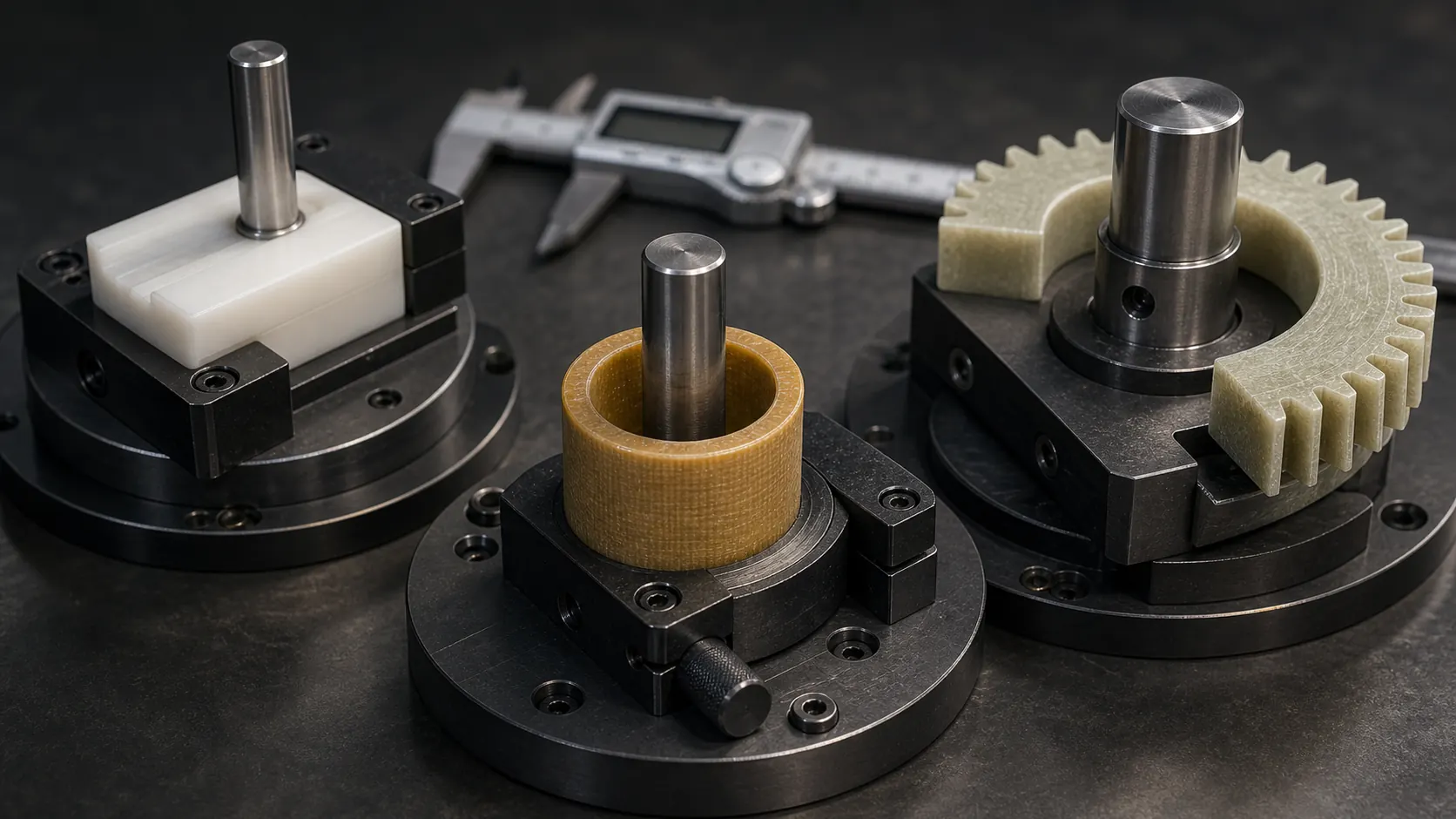 Aramid Fiber vs PTFE vs Glass Fiber: Which Wear-Resistant Plastic Route Should Buyers Choose?Aramid fiber, PTFE, and glass fiber are common routes for wear-resistant plastics. PTFE mainly reduces friction, aramid fiber helps balance wear resistance and toughness, while glass fiber improves stiffness and dimensional stability. This article compares these routes for POM, PA66, and other engineering plastic compounds and explains how DEYU supports route validation.
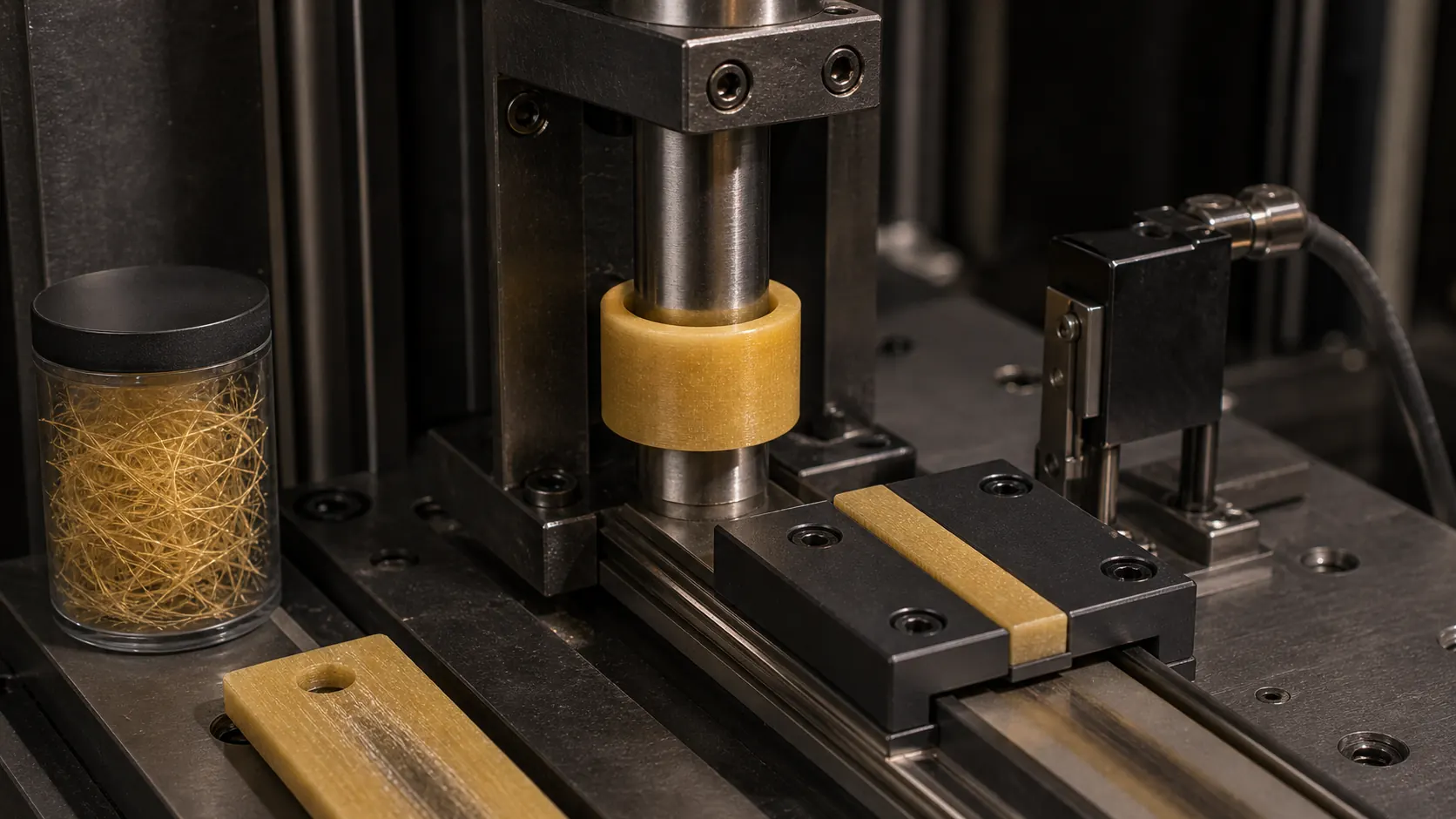 Aramid-Reinforced PA66 for Bushings and Guide PartsAramid reinforced PA66 is used when nylon parts need better wear resistance, toughness, and durability under repeated sliding or moderate load. This page explains the technical route, customer validation data, and how DEYU supports DGK-PA66 FL20L aramid nylon compounds for bushings, guide rails, brackets, and industrial moving parts.
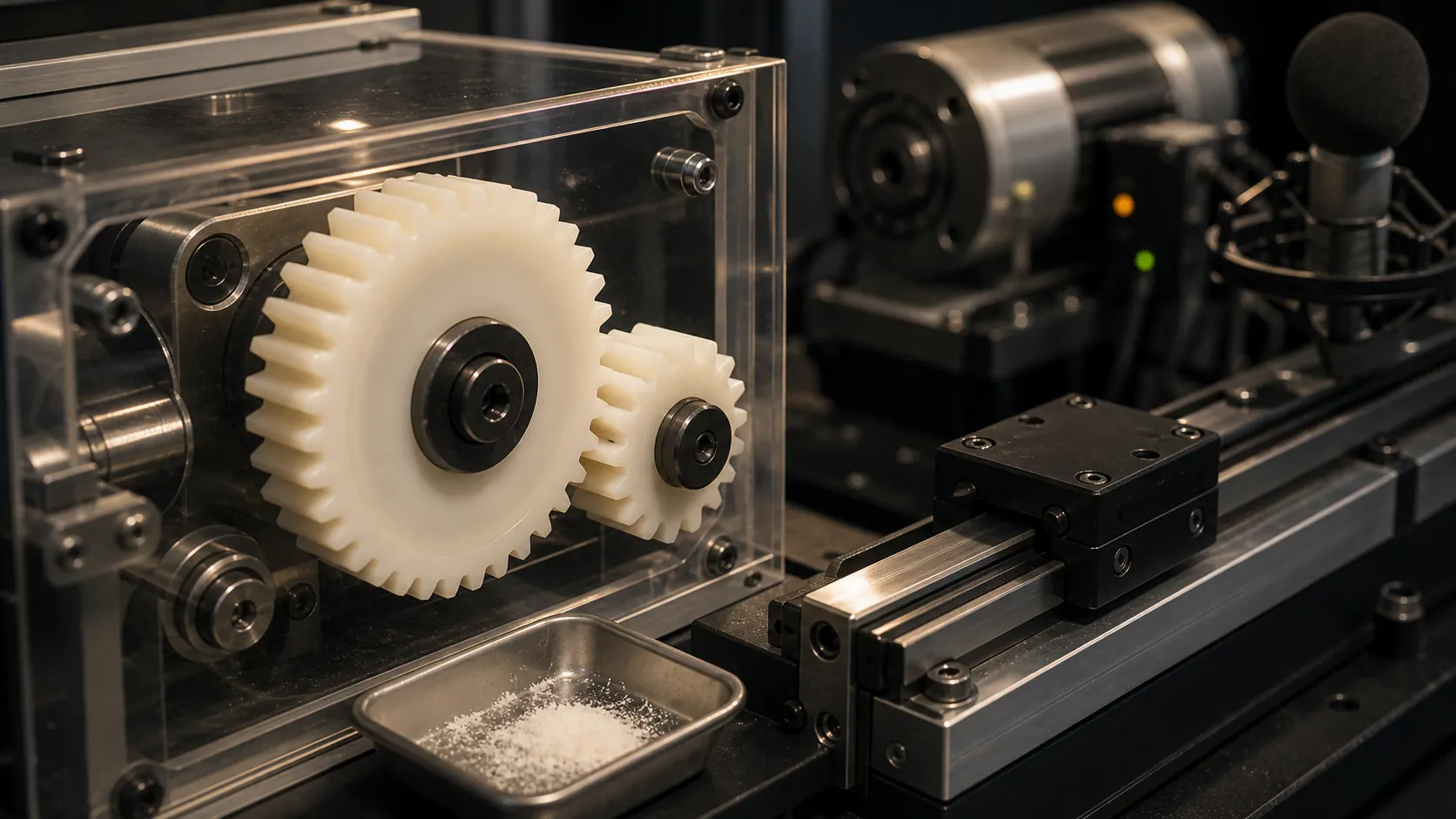 POM + PTFE Wear-Resistant Plastic for Low-Friction Gears and Sliding PartsPOM + PTFE compounds are used in gears, sliding blocks, rollers, guide parts, and low-friction mechanisms where ordinary POM shows wear marks, noise, or unstable sliding. This page explains the technical route, customer validation data structure, and how DEYU supports small-batch testing, friction reduction, wear-depth comparison, and performance tuning.
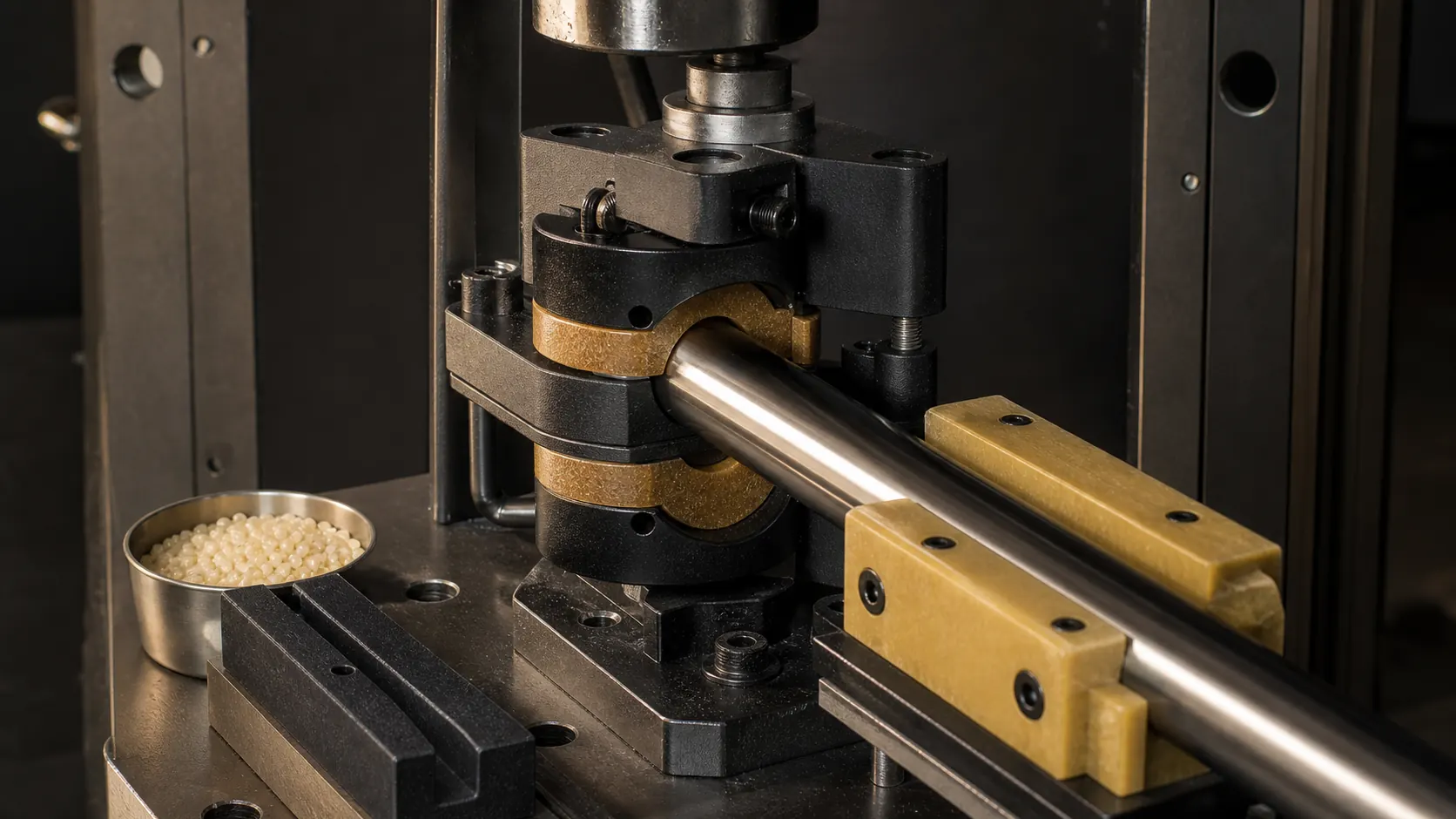 Wear-Resistant PA66 Compounds for Bushings and Guide PartsWear-resistant PA66 compounds are used in bushings, guide rails, sliding blocks, brackets, rollers, and automotive moving parts. PTFE modified nylon, aramid reinforced PA66, glass fiber reinforced PA66, and hybrid wear-resistant nylon compounds can improve sliding performance, stiffness, and durability when selected by load, friction pair, humidity, and temperature.
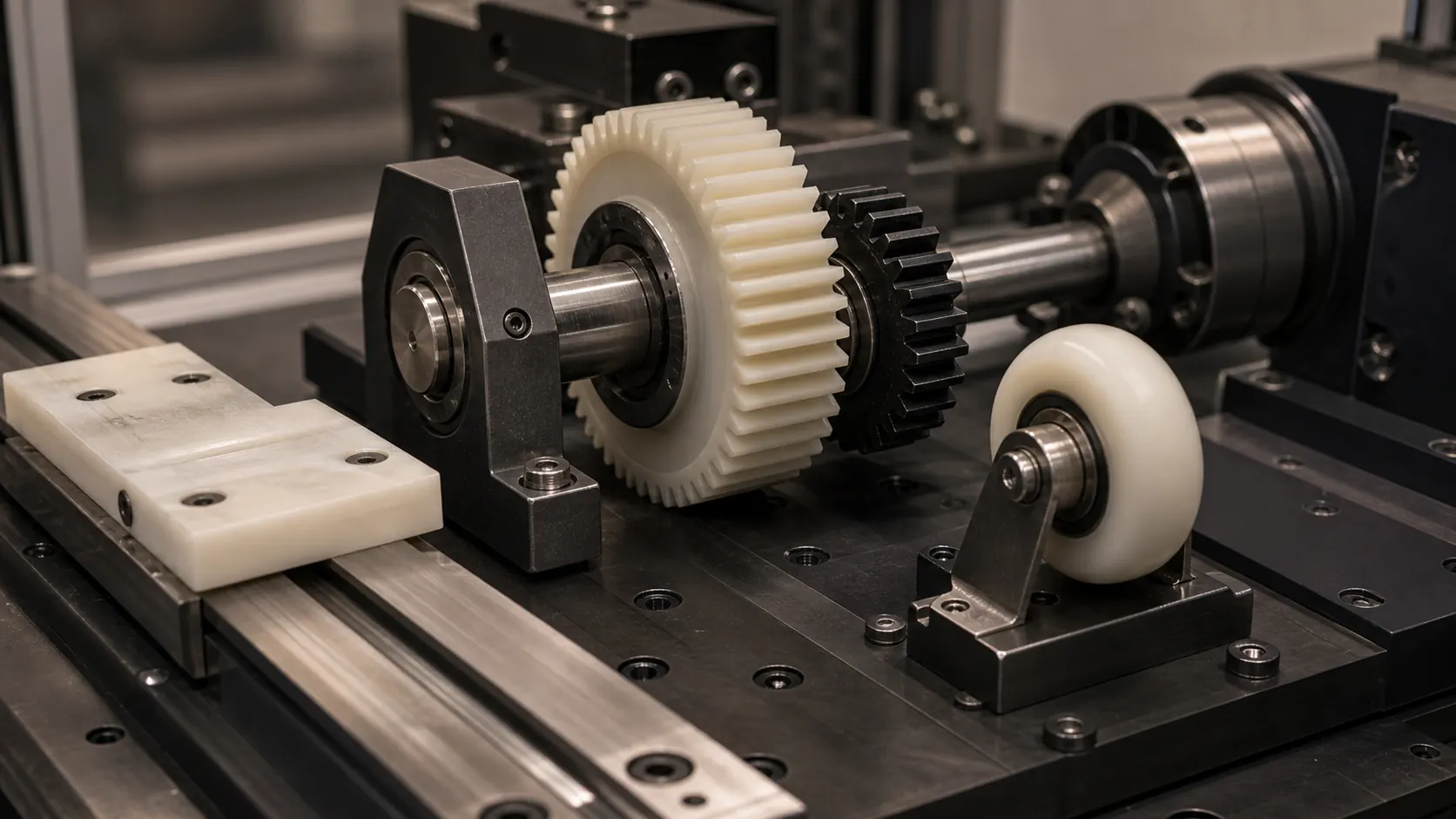 Wear-Resistant POM for Gears, Rollers, and Sliding Blocks: Selection and Validation GuideWear-resistant POM is used for gears, rollers, sliders, bushings, guide blocks, and precision moving parts that need low friction, dimensional stability, low water absorption, and stable molding. This guide explains how to choose POM/PTFE, POM/aramid, lubricated POM, and reinforced POM by load, speed, noise, counter material, shrinkage, and final part testing.
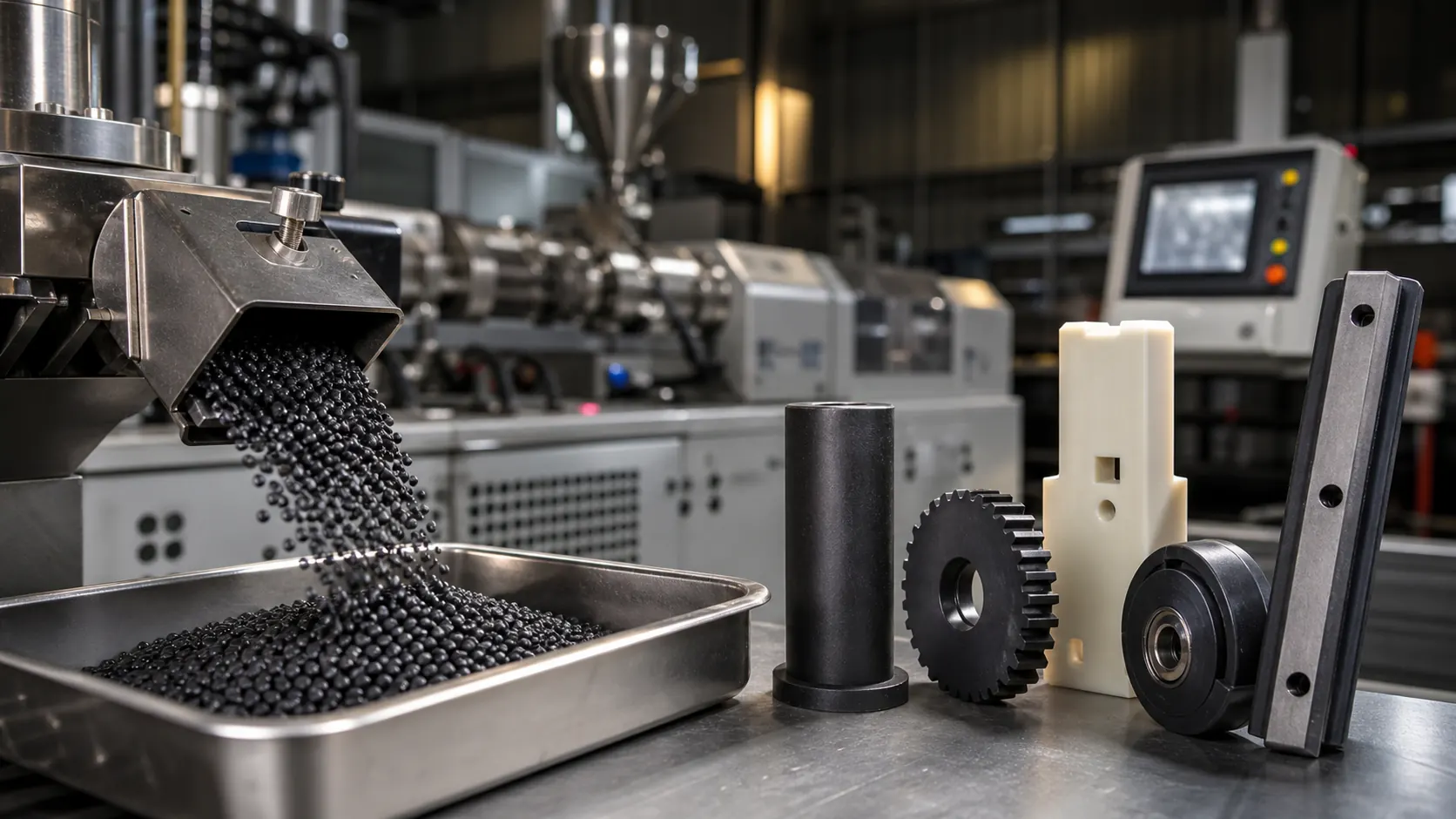 DEYU Wear-Resistant Plastic Compounds for POM, PA66 and PP Engineering PartsDEYU develops wear-resistant plastic compounds for gears, bushings, sliders, guide rails, rollers, textile parts, conveyor components, automotive mechanisms, and industrial moving parts. Learn how DEYU selects POM, PA66, PA6, PP, PC/ABS, TPU, and reinforced engineering plastic routes by load, friction, noise, color, processing, and validation requirements.
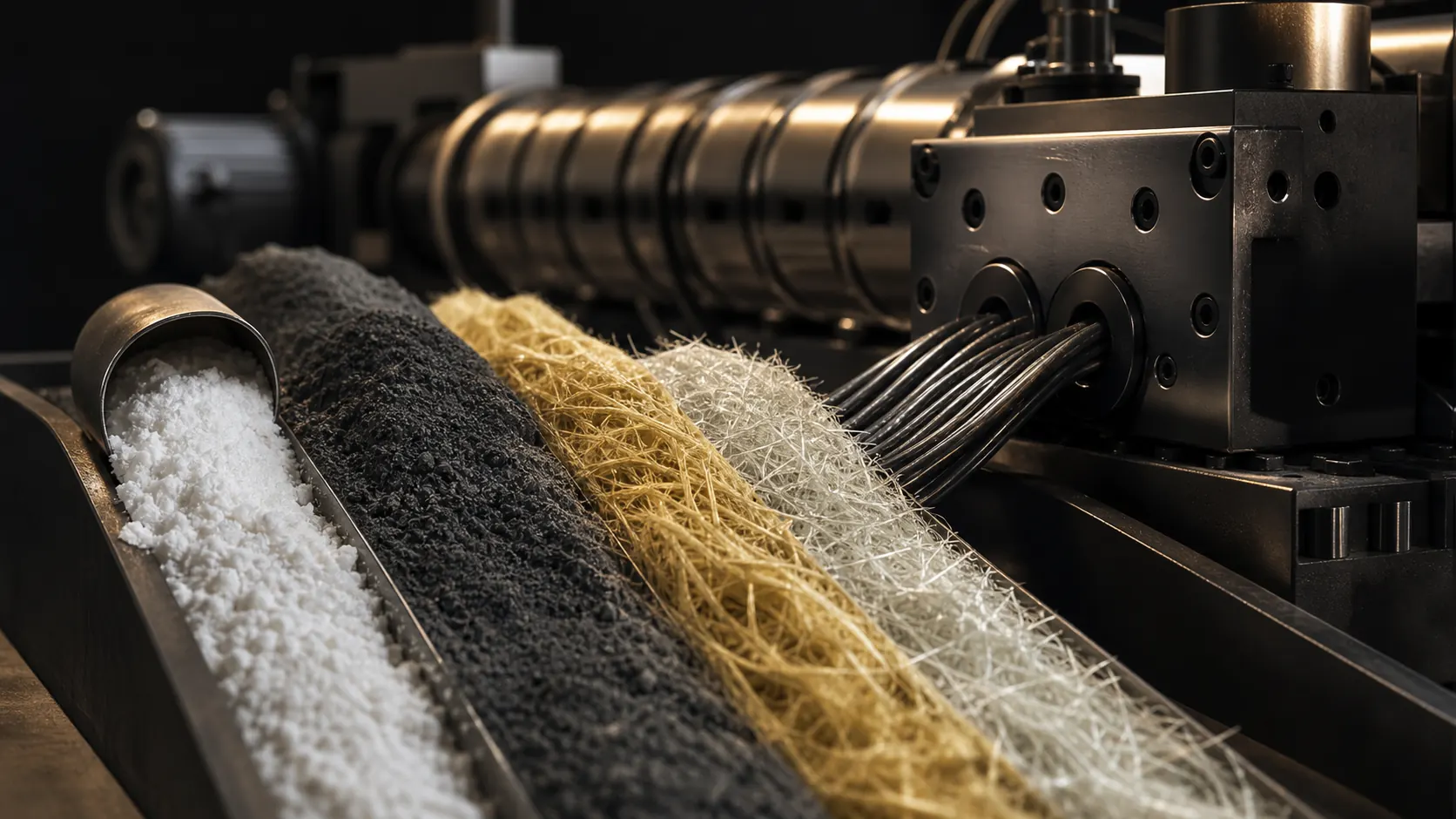 PTFE, MoS2, Aramid Fiber and Glass Fiber: How to Choose Wear-Resistant Plastic Modification RoutesCompare PTFE modified plastics, MoS2 reinforced nylon, aramid fiber reinforced compounds, glass fiber reinforced plastics, and hybrid low-friction systems for gears, bushings, sliders, guide rails, and moving parts. Learn how to choose the right wear-resistant plastic modification route by friction condition, load, noise, strength, color, and molding stability.
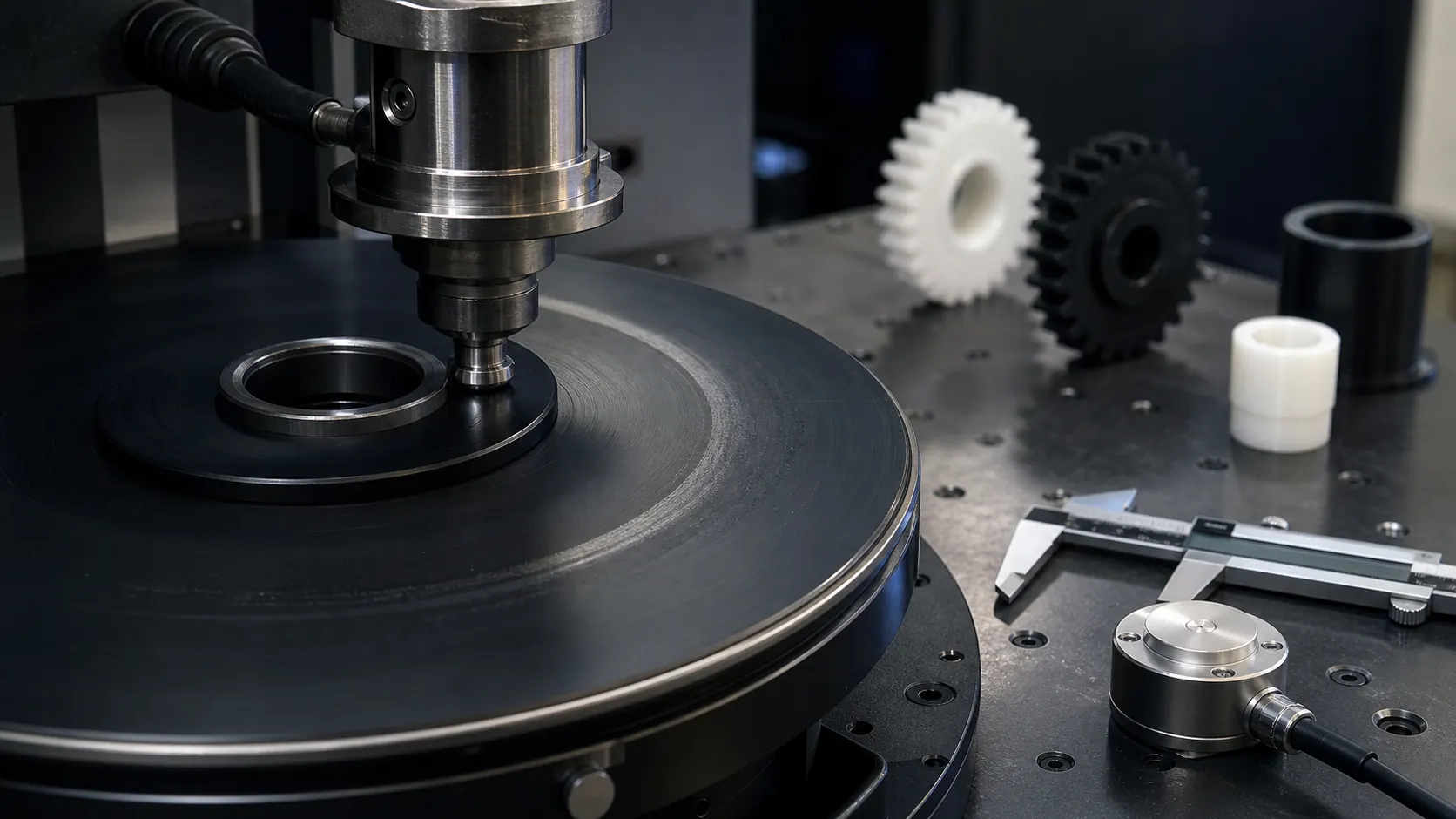 Wear-Resistant Plastics: Technical Routes, Material Selection, and Application Validation GuideWear-resistant plastics are used in gears, bushings, sliders, guide rails, rollers, conveyor parts, automotive components, and industrial moving parts. This guide explains how to select abrasion-resistant plastics, low-friction compounds, and self-lubricating polymers by load, speed, friction pair, temperature, wear test method, and final part validation.
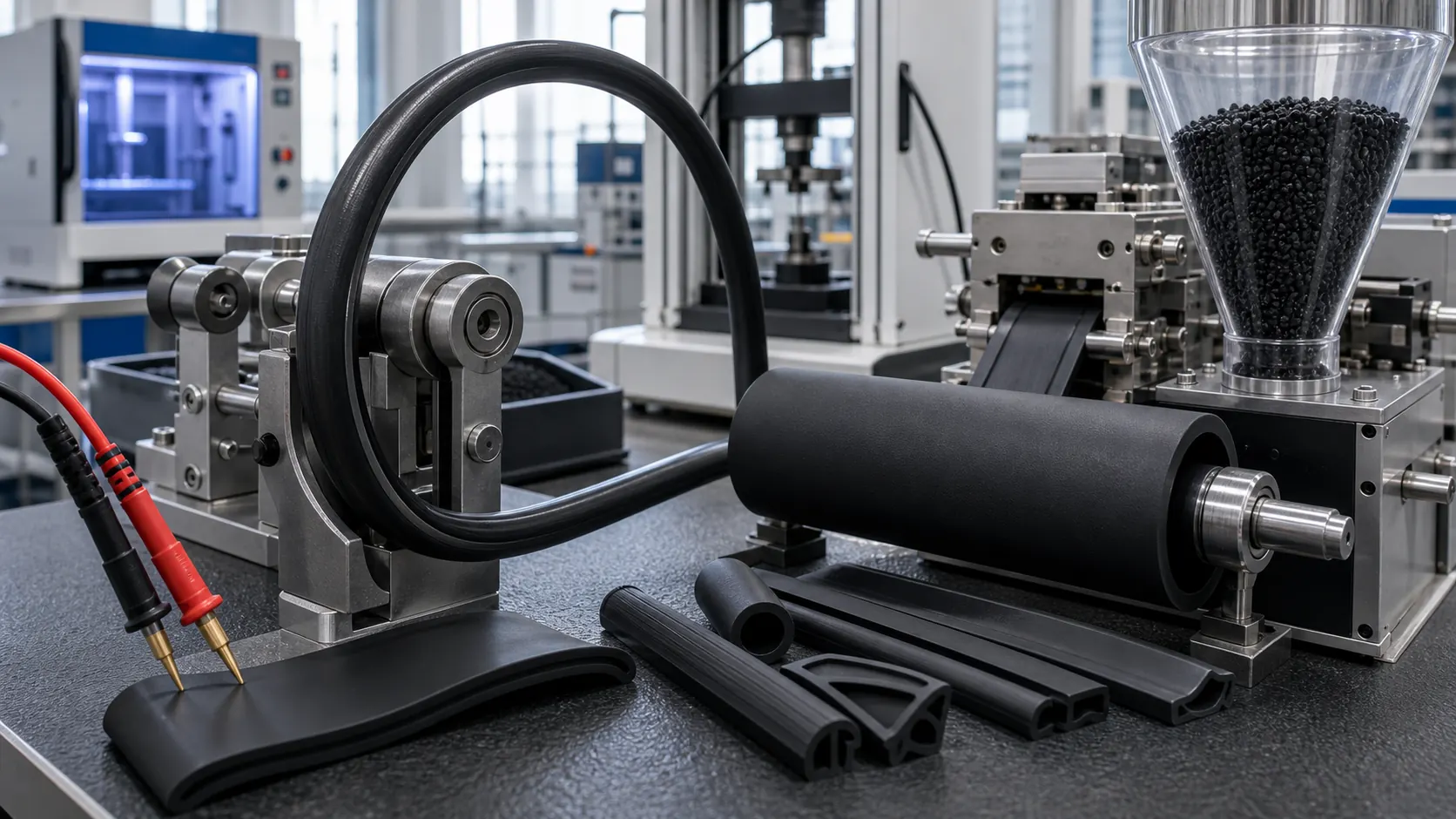 Conductive Elastomers: Current Challenges and Technical Solutions for TPV, TPU, and TPE CompoundsConductive elastomers based on TPV, TPU, and TPE are used in flexible ESD parts, conductive rollers, cable jackets, seals, grips, sleeves, soft-touch components, and industrial flexible parts. The key challenge is balancing conductivity with elasticity, elongation, compression set, wear resistance, surface quality, and processing stability. DEYU develops customized DGK conductive elastomer compounds according to resistance target, hardness, flexibility, molding method, and application requirements.
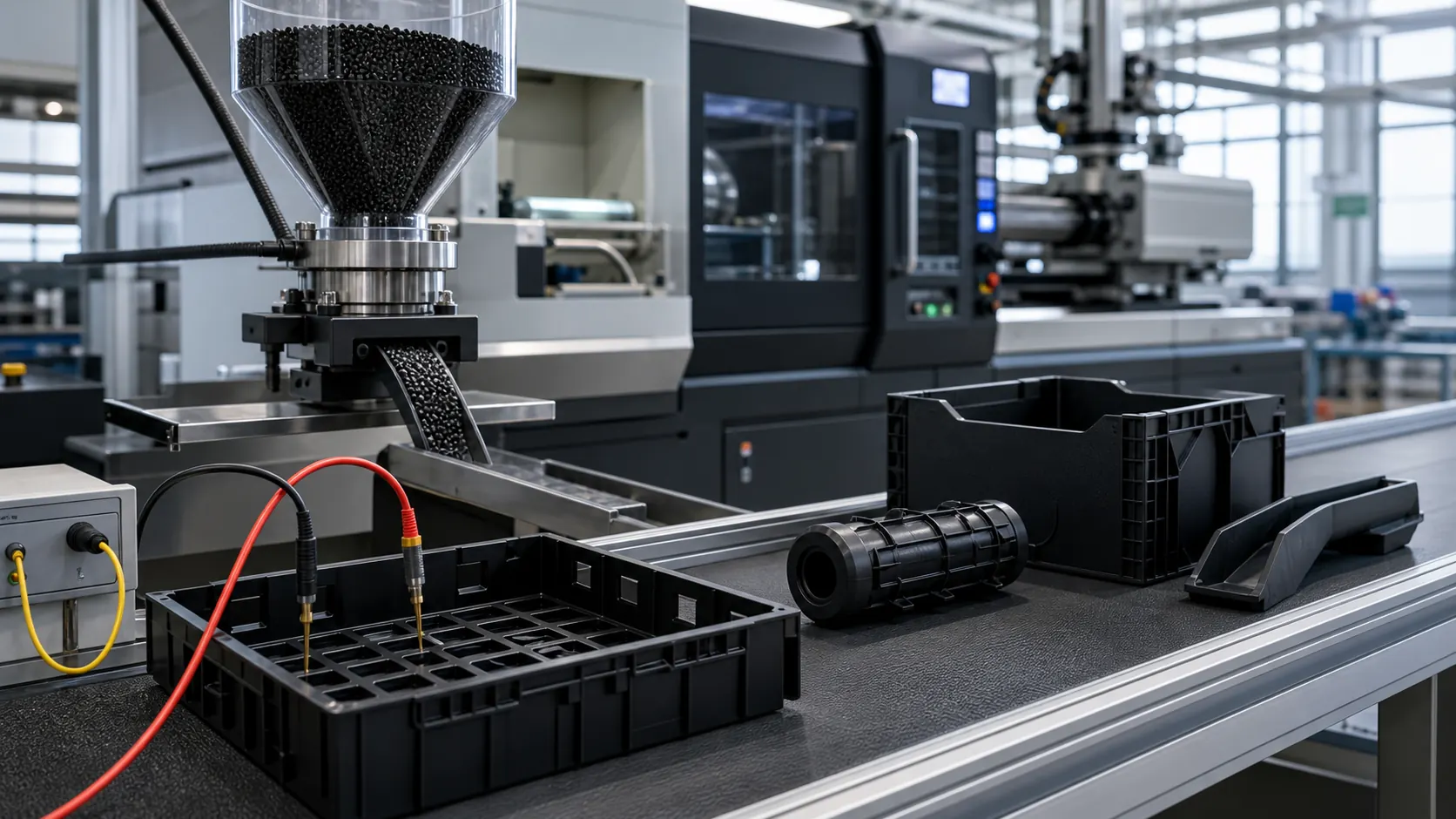 Conductive PP Compound: Technical Routes and 12 Validation Scenarios for Polypropylene ApplicationsConductive PP compounds, conductive polypropylene pellets, and antistatic PP plastics are used in ESD trays, packaging equipment, powder handling parts, industrial covers, electrical trays, logistics boxes, rollers, automation fixtures, extrusion sheets, and custom molded components. This guide explains technical routes for conductive PP and shows 12 validation scenarios covering resistance tuning, trial batches, color formulation, impact balance, UV resistance, flame retardancy, and low-warpage adjustment.
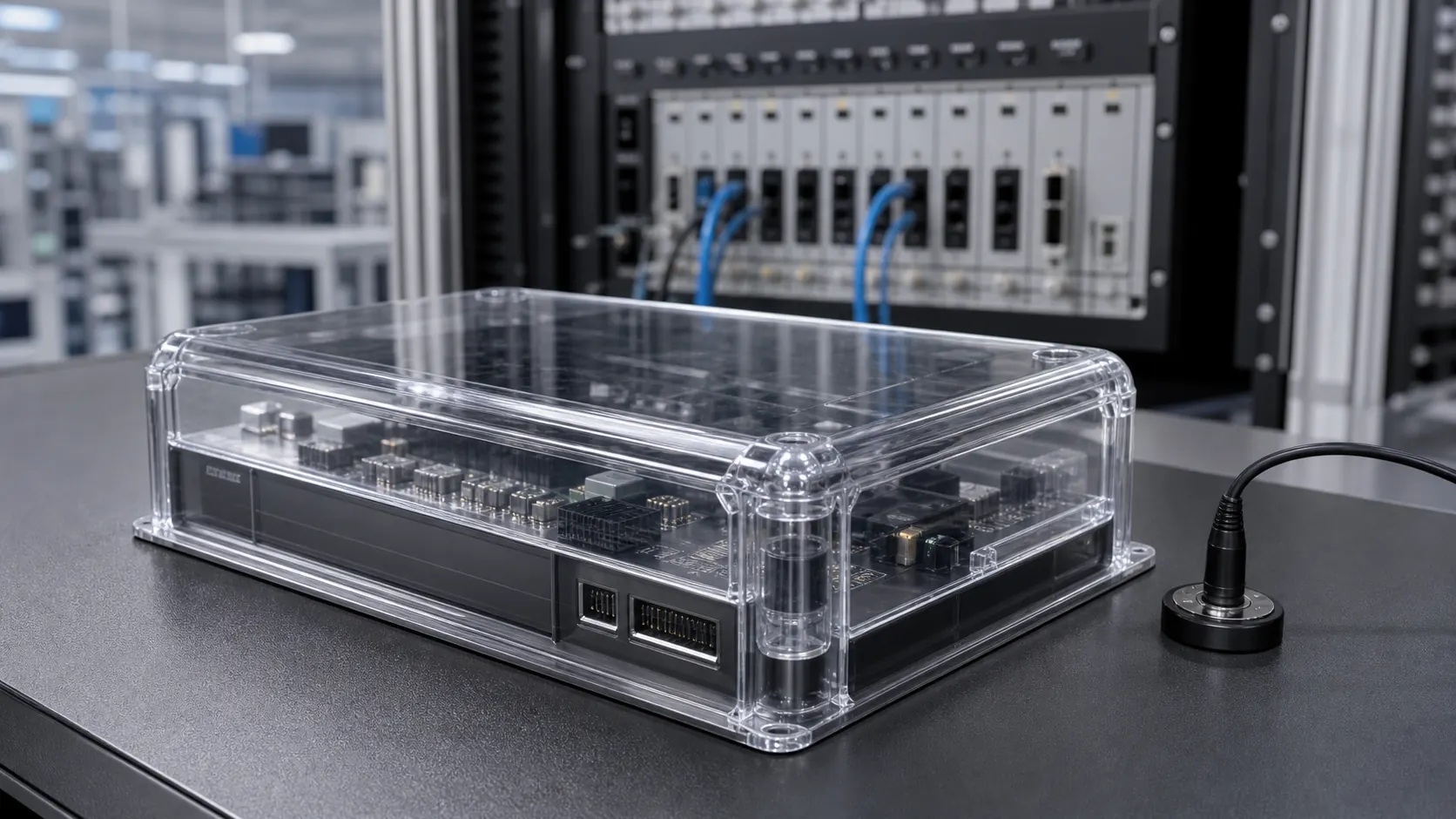 DGK-ABS KJD890TM Transparent Antistatic ABS for Clear ESD and Dust-Control PartsTransparent antistatic ABS is difficult because transparency, long-term antistatic performance, impact strength, flowability, haze control, and surface stability must be balanced together. DGK-ABS KJD890TM from DEYU is a transparent long-lasting antistatic ABS compound for injection-molded electronic, communication, and industrial equipment parts.
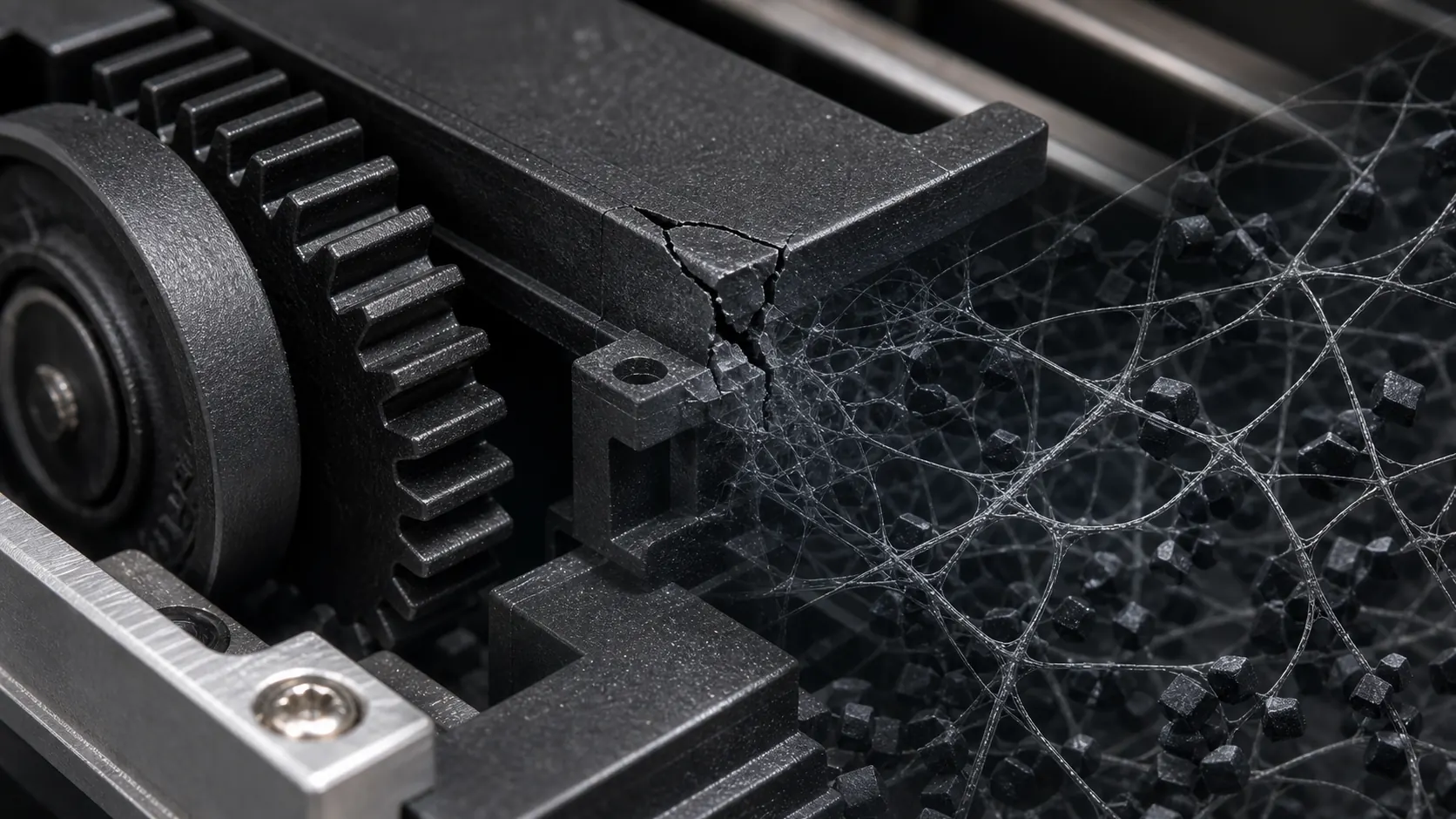 Why Conductive Additives Make Modified Plastics Brittle — and How to Solve It Through Formulation DesignConductive additives such as conductive carbon black, carbon nanotubes, carbon fiber, graphite, and conductive masterbatch can reduce surface resistance in plastics, but poor formulation design may cause brittleness, lower impact strength, reduced elongation, rough surface, unstable processing, and poor part reliability. This article explains how to solve brittleness caused by conductive modification and introduces a DEYU DGK-POM DD3-4A case using a carbon nanotube conductive route.
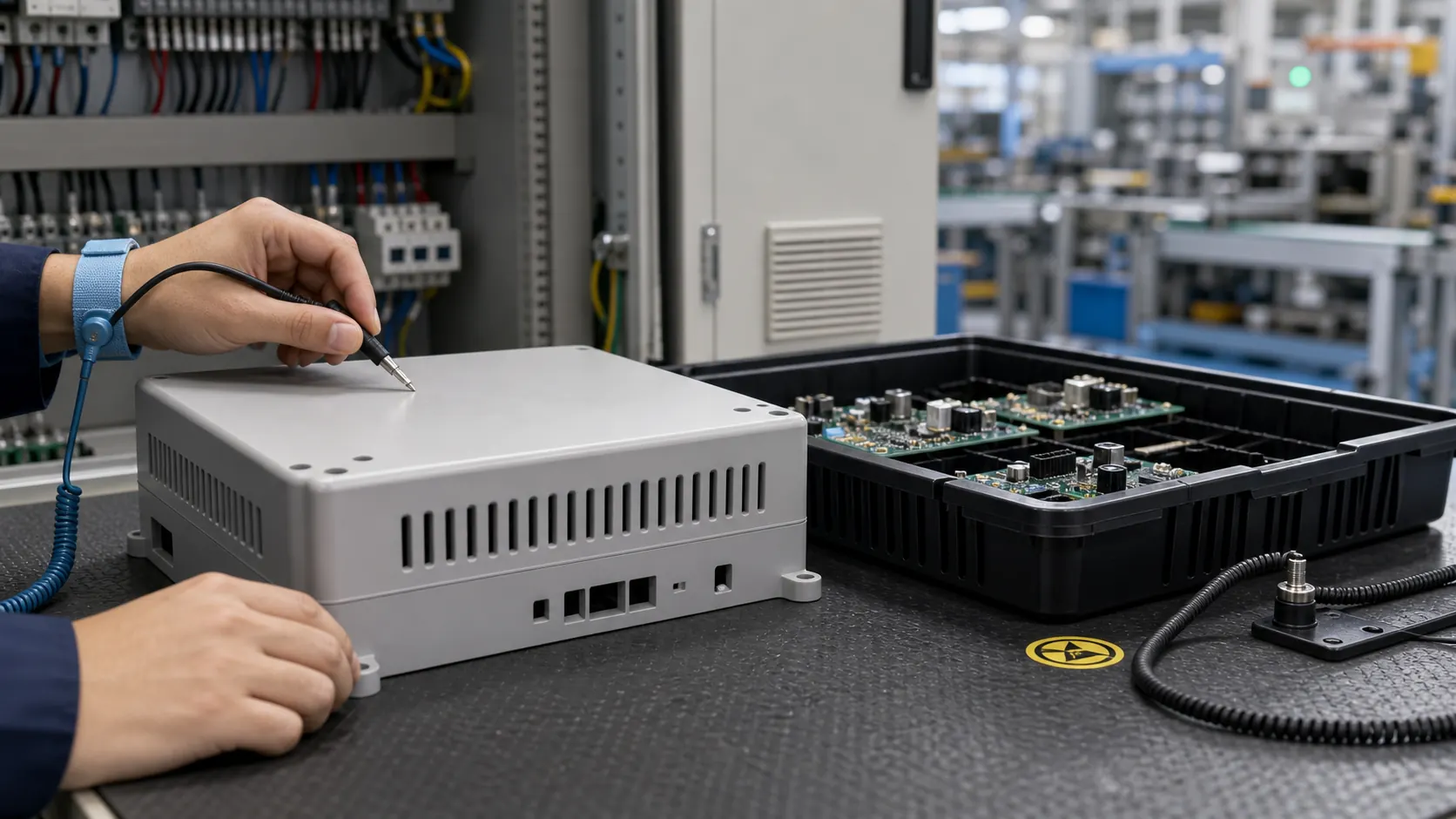 DGK-ABS KJD678R-BZ Antistatic ABS for Injection-Molded HousingsDGK-ABS KJD678R-BZ is an antistatic ABS compound from DEYU for injection-molded parts that require controlled surface resistance, good impact strength, stable processing, and clean surface appearance. It is suitable for equipment housings, electronic device covers, industrial panels, trays, and dust-sensitive plastic parts.
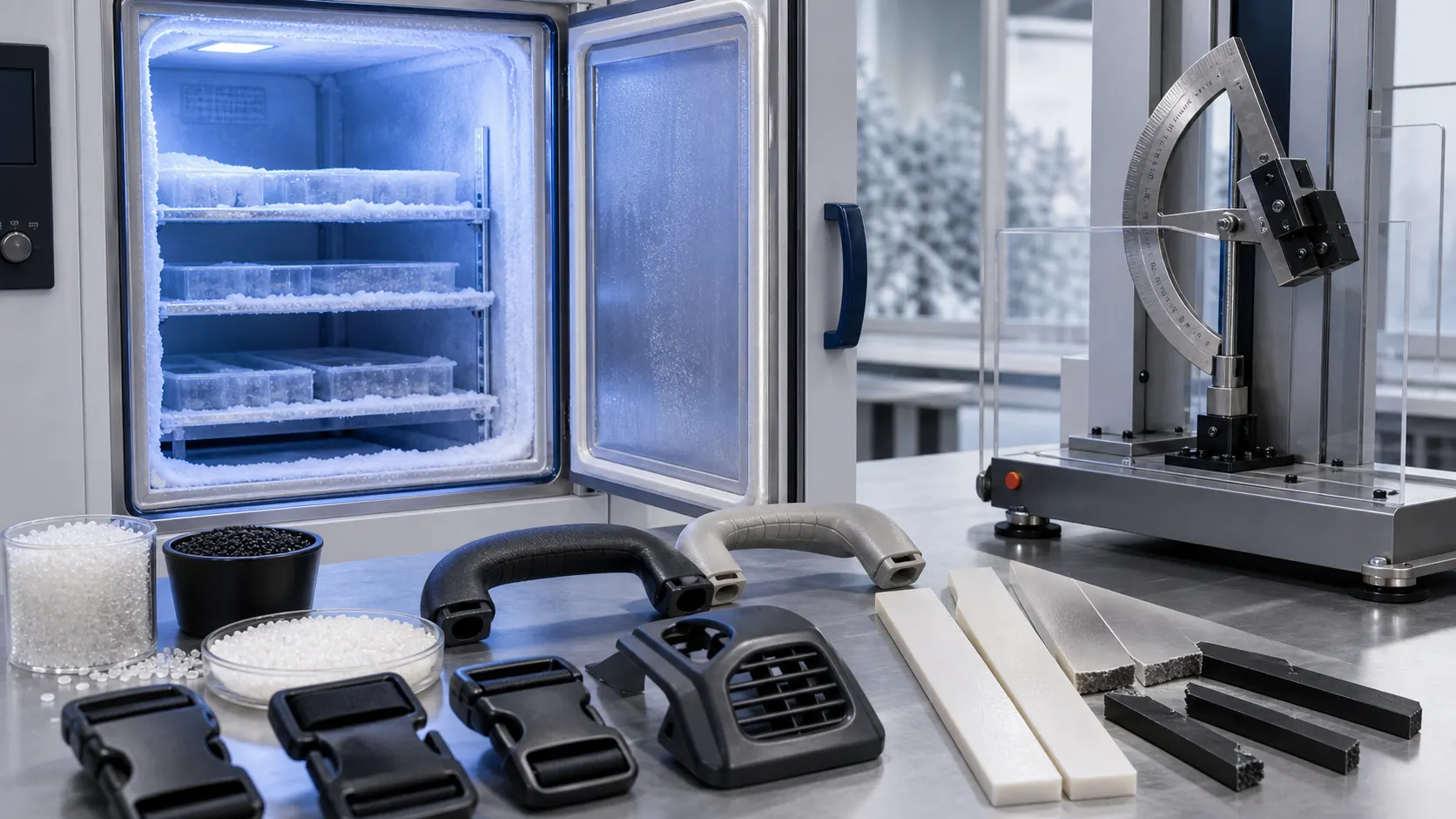 Low-Temperature Resistant PP DGK-PP 66D: Toughened Polypropylene for Cold-Impact PartsDGK-PP 66D is a toughened low-temperature resistant polypropylene compound from DEYU. It is designed for injection-molded parts that need flexibility, cold-impact resistance, lightweight structure, and stable processing. Typical applications include sports equipment, automotive components, outdoor parts, protective covers, handles, buckles, and cold-region plastic parts.
 How to Evaluate the Weathering Grade of UV-Resistant Plastics: Testing Standards, Key Indicators, and Selection GuideUV-resistant plastics should be evaluated not only by whether they contain UV additives, but by color retention, gloss retention, impact retention, surface cracking, chalking, tensile retention, and real-part performance after accelerated or outdoor weathering tests. DEYU plastics provides DGK UV-resistant PP, ABS, ASA, PC/ABS, PC, PA, POM, TPU, and TPE compounds according to application environment and validation standards.
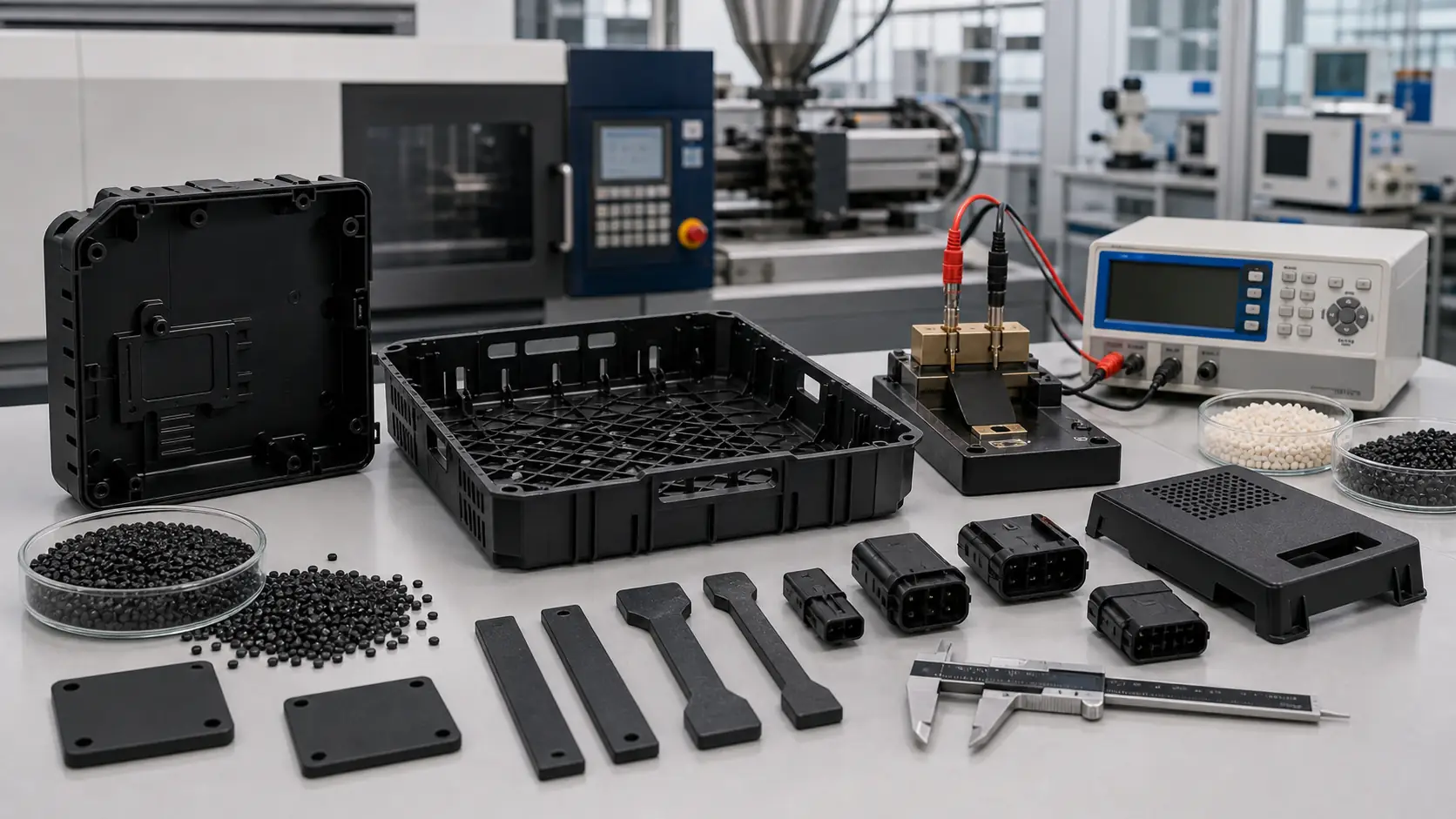 DGK-PP DD2-3A Conductive PP Compound Selection GuideDGK-PP DD2-3A is a black conductive polypropylene compound developed by DEYU plastics for applications requiring low surface resistance, lightweight structure, injection molding processability, and dimensional stability. With a surface resistance direction of 10^2-10^3 ohm, it is suitable for shielding parts, electronic equipment components, interference-control parts, conductive connectors, industrial trays, and customized conductive PP applications.
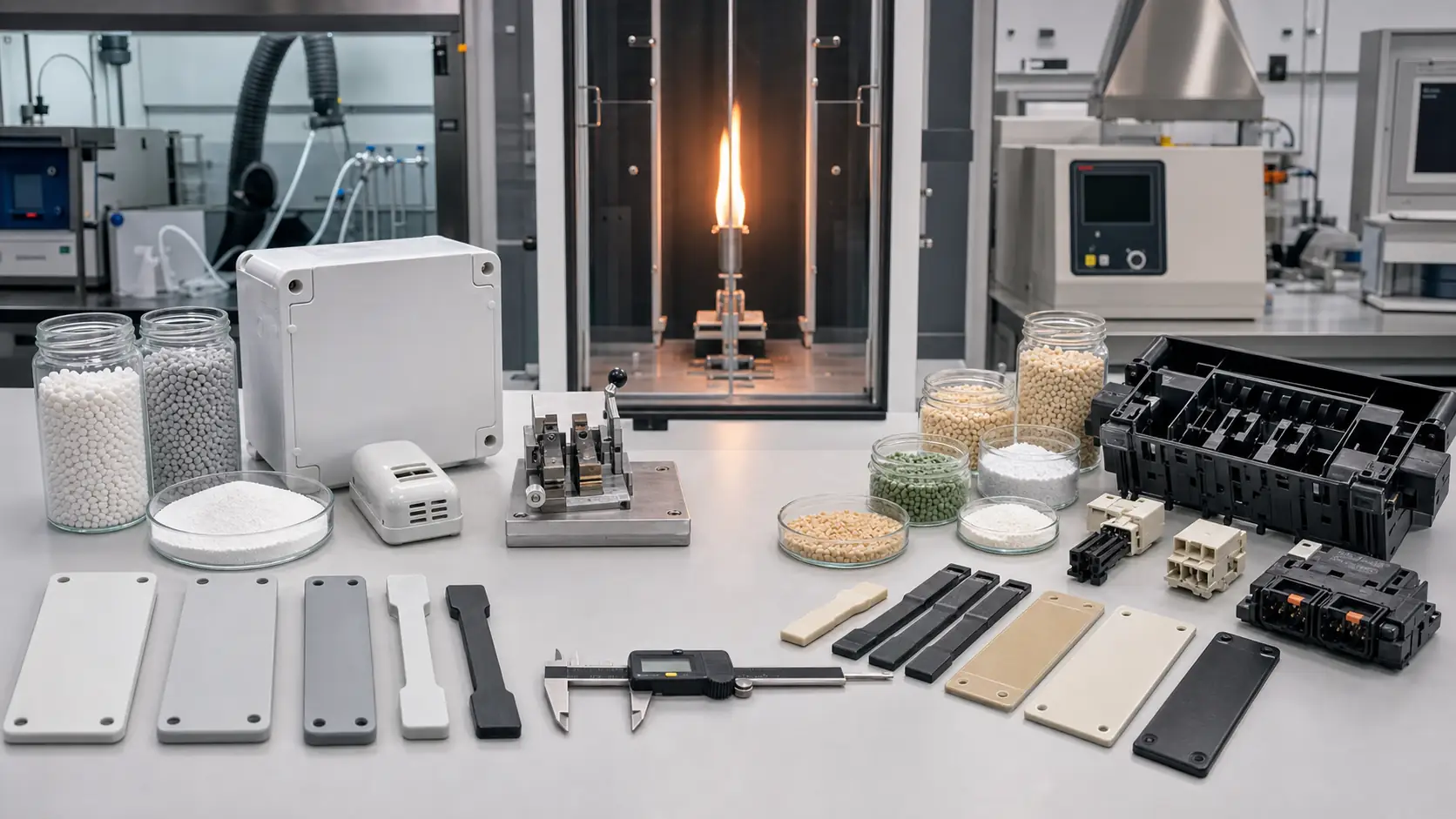 Bromine-Antimony vs Halogen-Free Flame Retardants: Differences, Modification Effects, and Plastic Material Selection GuideBromine-antimony and halogen-free flame-retardant systems are the two major routes in modified plastics. Their differences involve flame-retardant efficiency, UL94 rating, smoke behavior, mechanical retention, color, processing stability, cost, regulation, and application requirements. DEYU plastics develops DGK flame-retardant PP, ABS, PC/ABS, PA, PBT, TPU, TPE, and engineering plastic compounds according to thickness, rating target, mechanical performance, and customer validation standards.
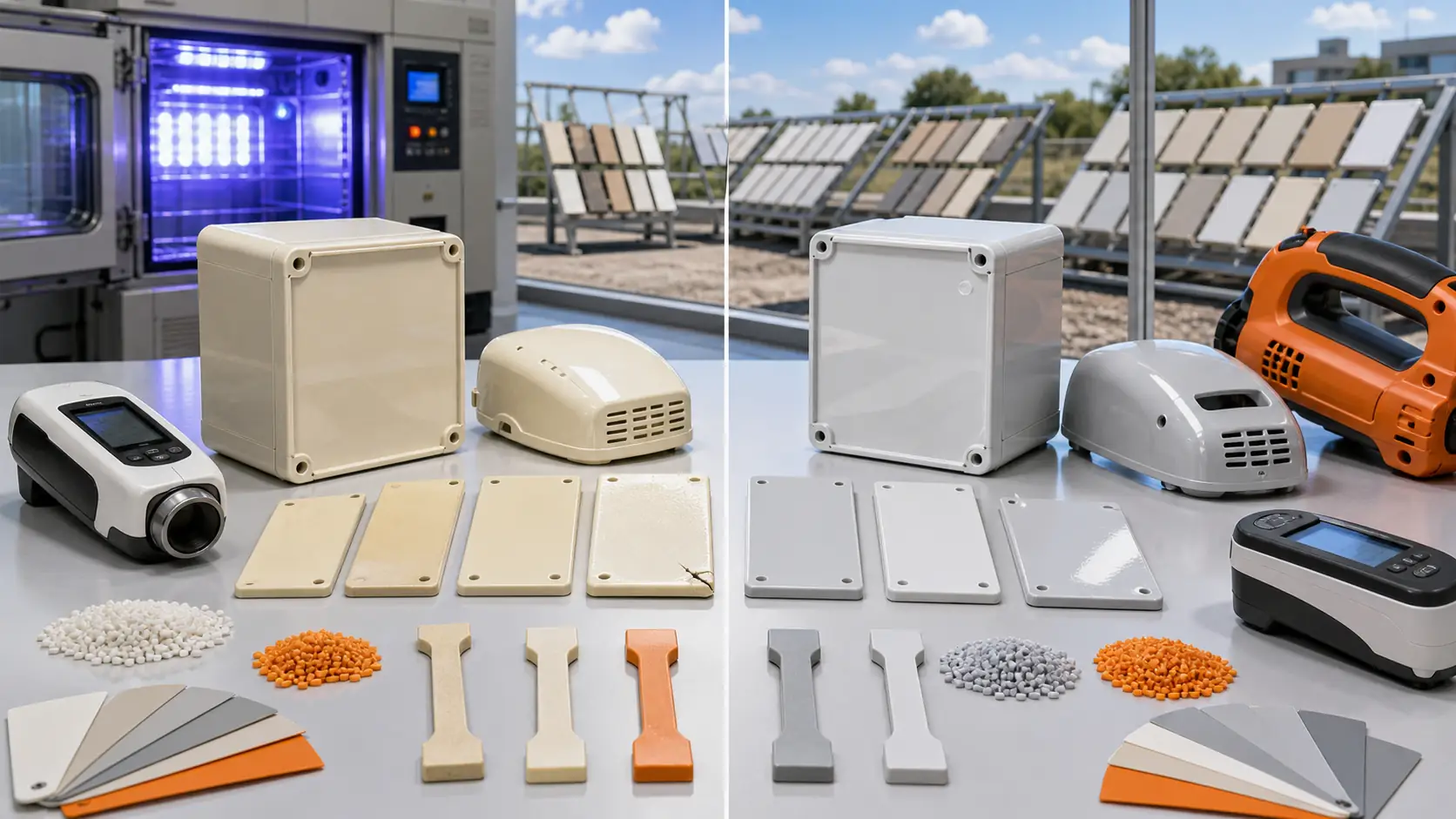 ASA vs ABS: Key Differences and Performance Comparison After UV-Resistant ModificationASA and ABS are widely used in housings, automotive parts, outdoor equipment, electrical enclosures, tool shells, appliance parts, and industrial covers. ASA generally provides better weather resistance and color retention because of its acrylate rubber phase, while ABS offers strong impact strength, good processability, surface appearance, and cost advantages. UV-resistant ABS can improve outdoor aging performance, but ASA is often more suitable for long-term outdoor applications. DEYU plastics provides customized DGK ASA, ABS UV-resistant, high-impact, flame-retardant, antistatic, and weather-resistant modified compounds.
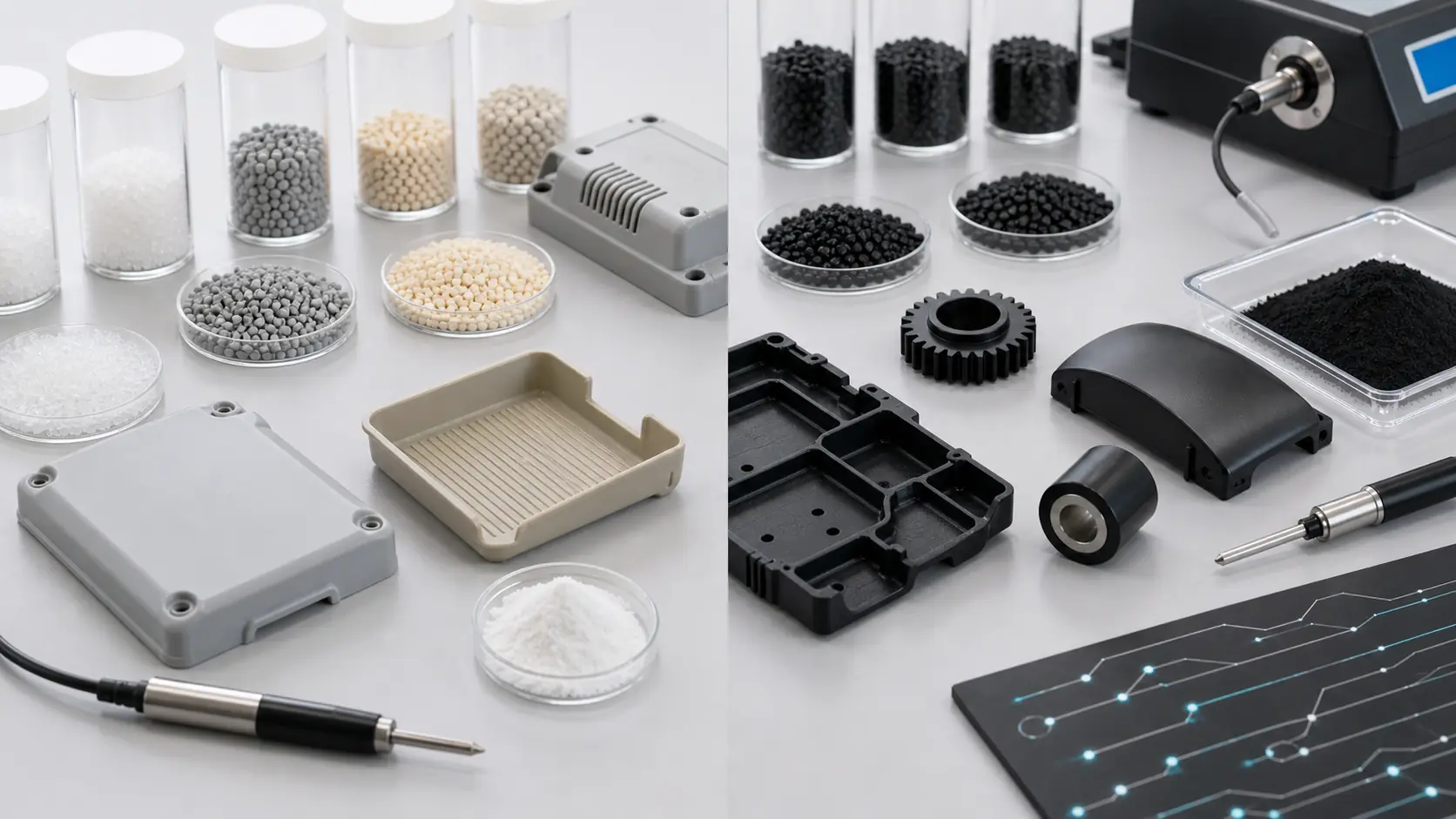 Antistatic vs Conductive Plastics: How to Distinguish Them and Choose the Right Material for Industrial ApplicationsAntistatic plastics, static dissipative plastics, and conductive plastics are selected according to resistance range, discharge speed, ESD risk, dust control, powder handling, mechanical performance, color, flame retardancy, wear resistance, and real-part validation. DEYU plastics provides customized DGK antistatic and conductive compounds for PP, ABS, PC/ABS, PA, POM, PC, PE, PPS, TPU, and other engineering plastics.
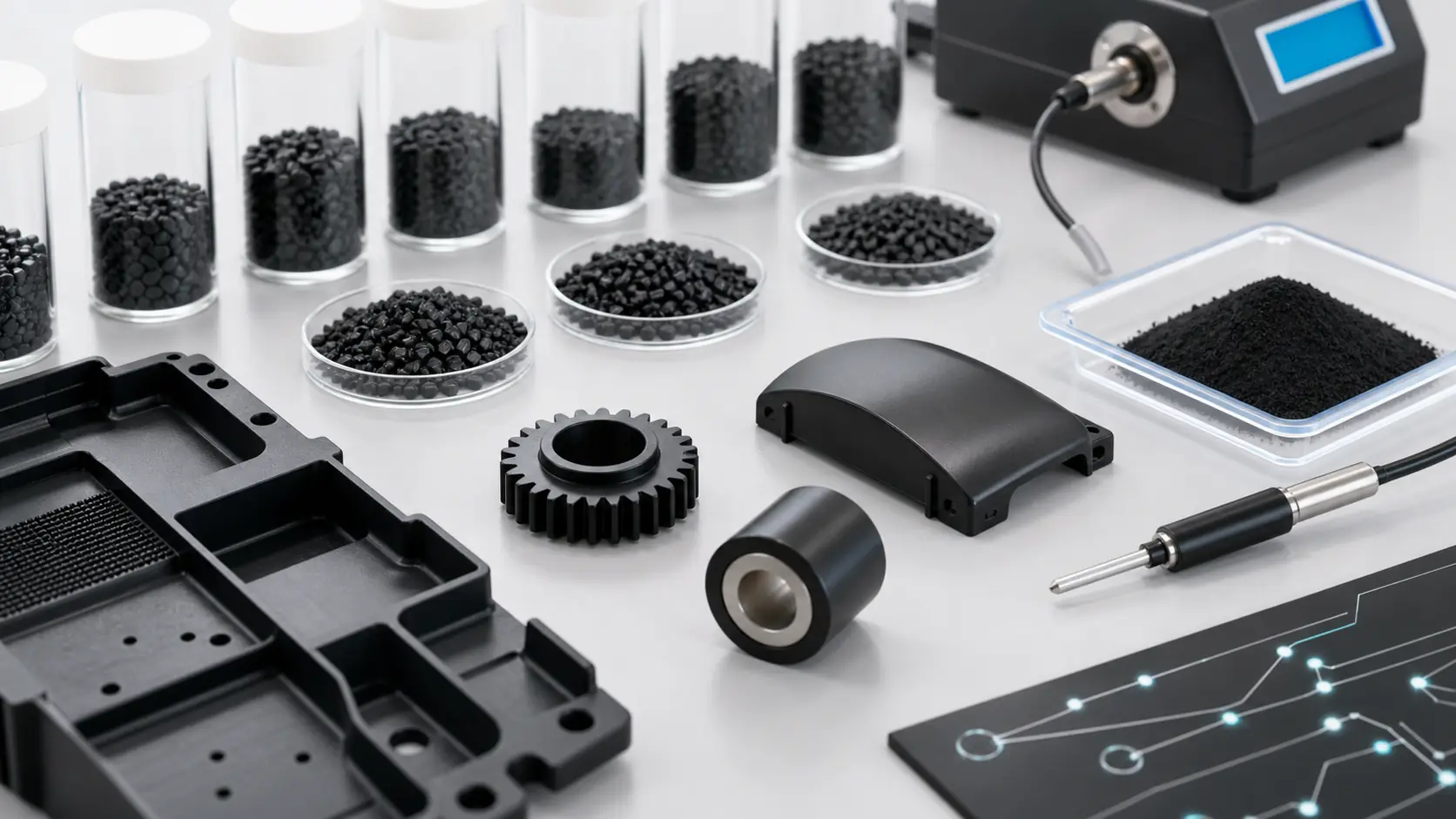 Conductive Plastics: Functions, Technical Routes, and a Professional Purchasing Guide for Industrial ApplicationsConductive plastics provide controlled electrical performance for ESD protection, dust reduction, powder handling, grounding design and lightweight industrial components while keeping the processability and design freedom of thermoplastics.
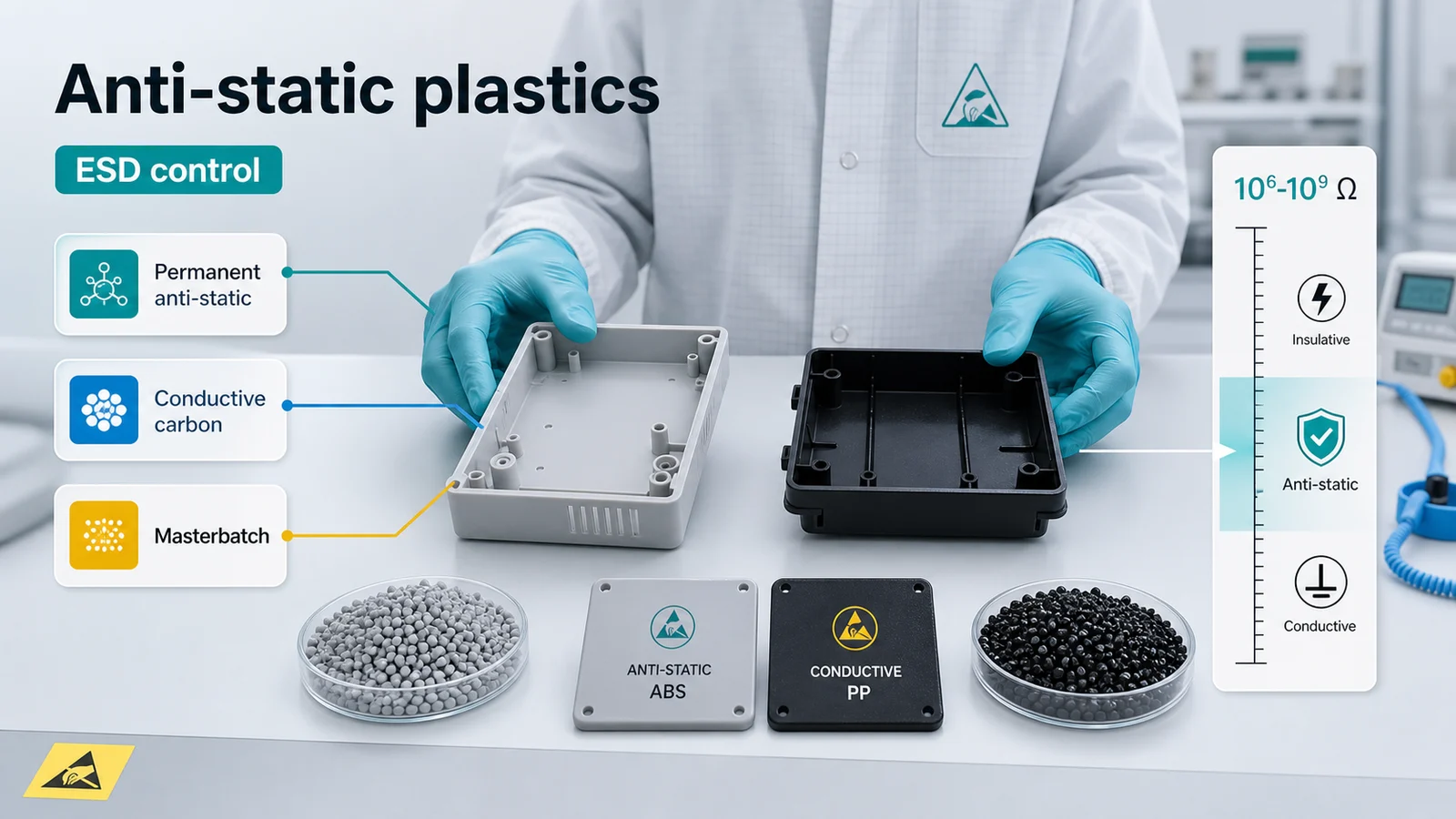 Antistatic / ESD Plastics: Technical Routes, Resistance Targets and Selection LogicAnti-static plastics can be developed through migratory additives, permanent anti-static systems, conductive carbon black, CNT networks, conductive masterbatches, carbon fiber and hybrid routes. The right choice depends on resistance target, color, transparency, toughness, flame retardancy, wear resistance and long-term stability.
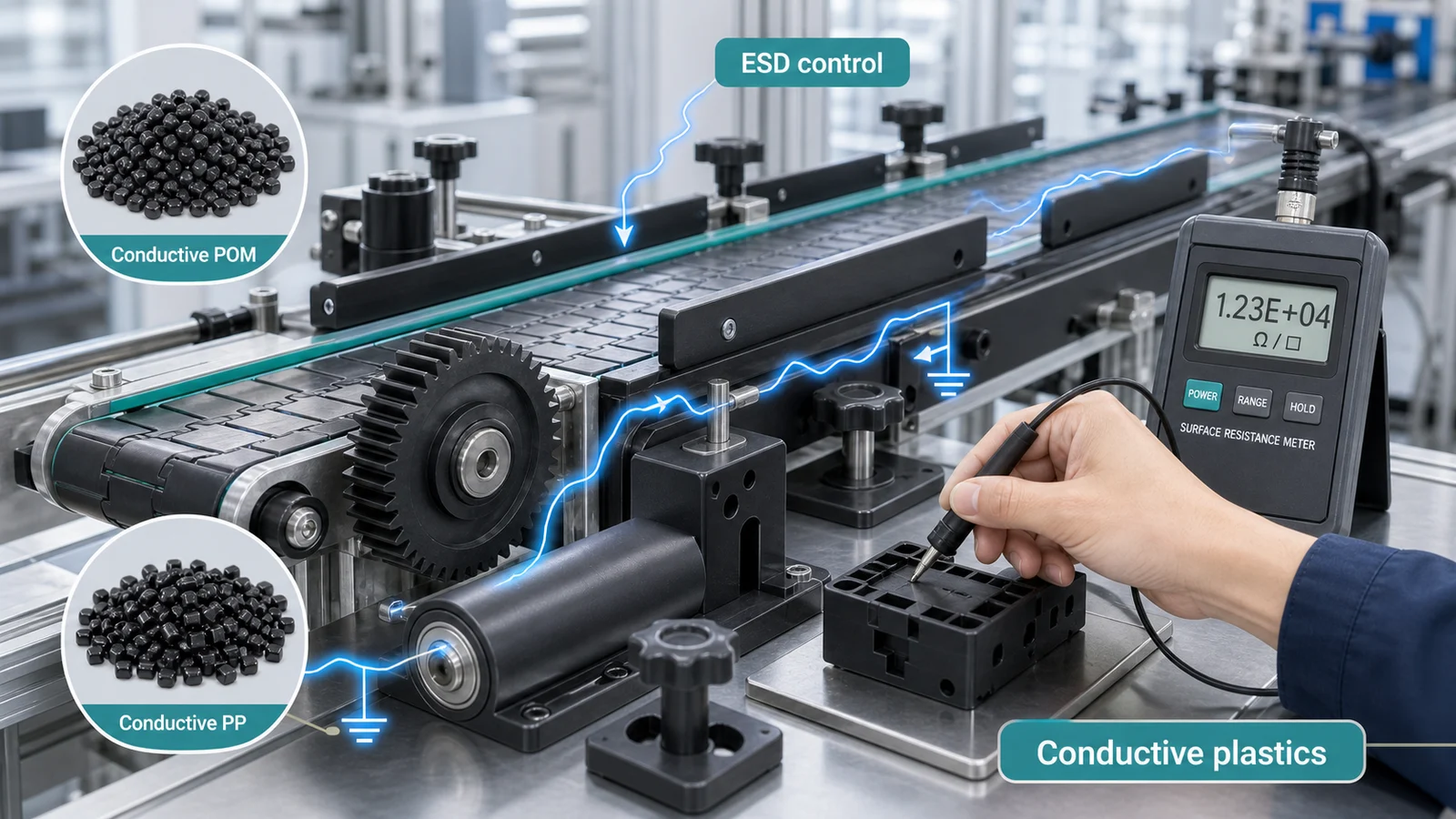 Conductive Plastics in Mechanical Equipment: Applications, Routes and Case DataConductive plastics for mechanical equipment solve static charge, dust adhesion, powder sticking, ESD risk, wear debris and unstable sensing in conveyors, rollers, guides, gears, fixtures and automation parts.
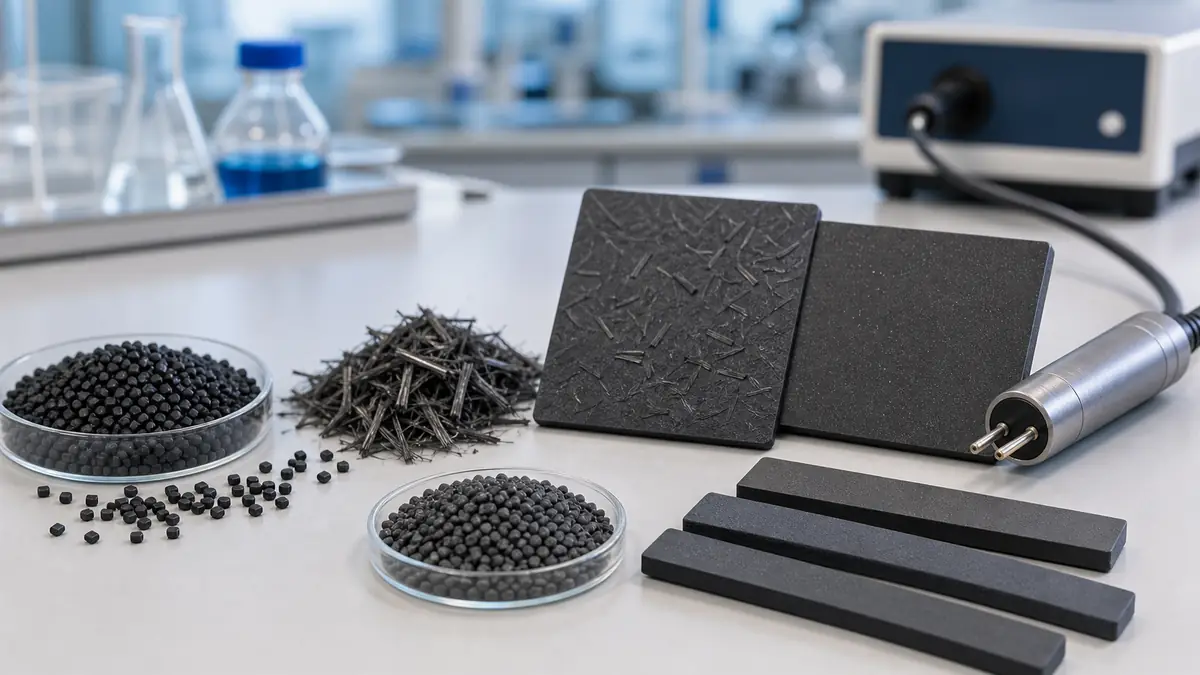 DEYU plastics Solves the Last Mile of Nylon Carbon Fiber Conductivity with 2-3% High-Conductivity MasterbatchDEYU plastics uses a self-developed high-conductivity masterbatch to help existing PA6/PA66 carbon fiber compounds reduce surface resistance by about one order of magnitude while keeping mechanical performance as much as possible.
 Flame-Retardant Plastics: UL94 Ratings, Material Selection and DEYU SolutionsFlame-retardant plastic guide covering UL94 HB, V-2, V-1, V-0, 5VB and 5VA ratings, material thickness, halogen-free routes, resin selection and practical flame-retardant compound development.
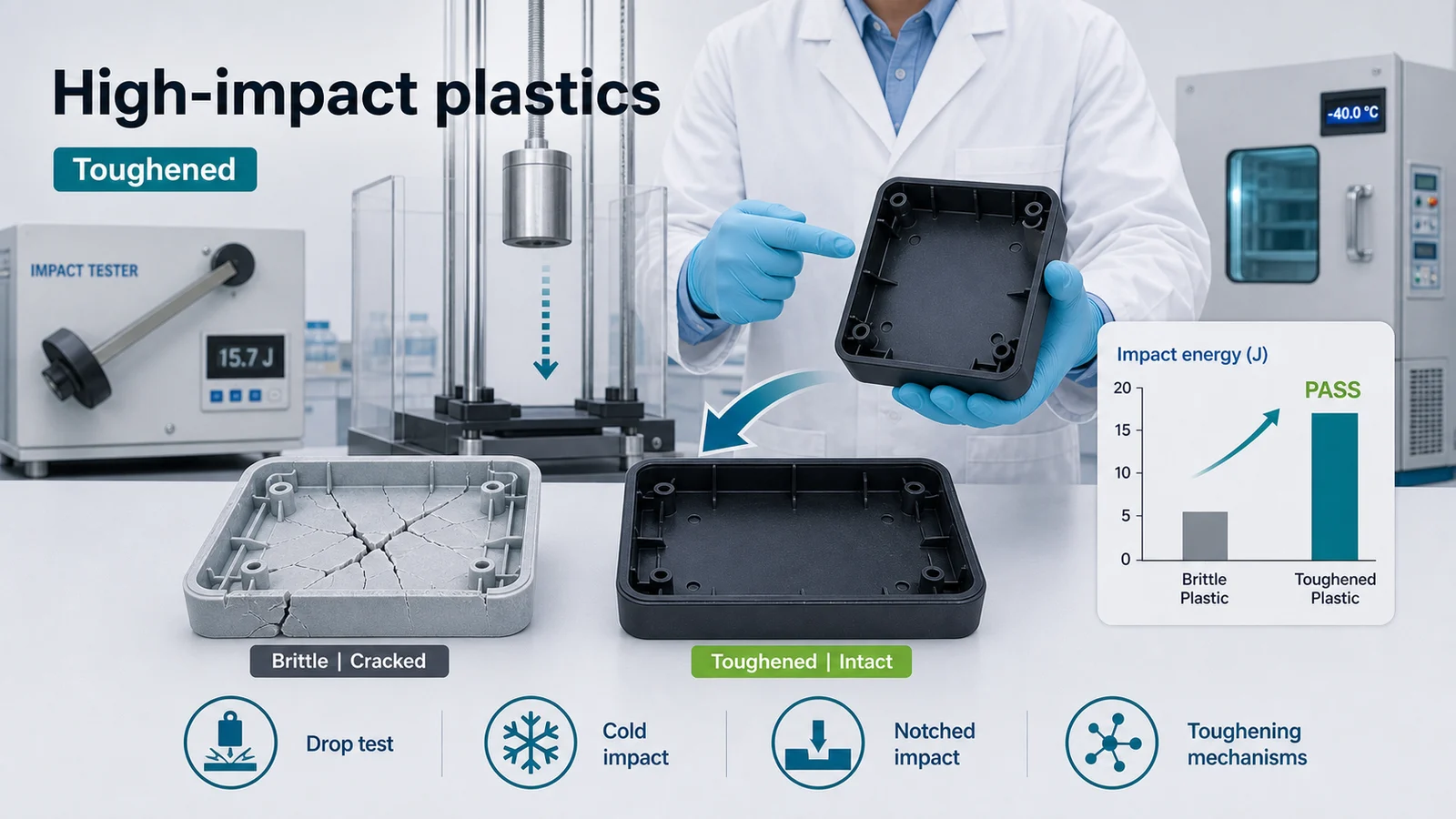 High-Impact Plastics: Toughening Mechanisms, Material Selection and DEYU plastics SolutionsHigh-impact plastics are used in housings, automotive parts, electrical components, tool shells, cold-resistant products and industrial structural components. Impact performance depends on resin selection, rubber phase design, elastomer toughening, low-temperature behavior, wall thickness and real-part validation.
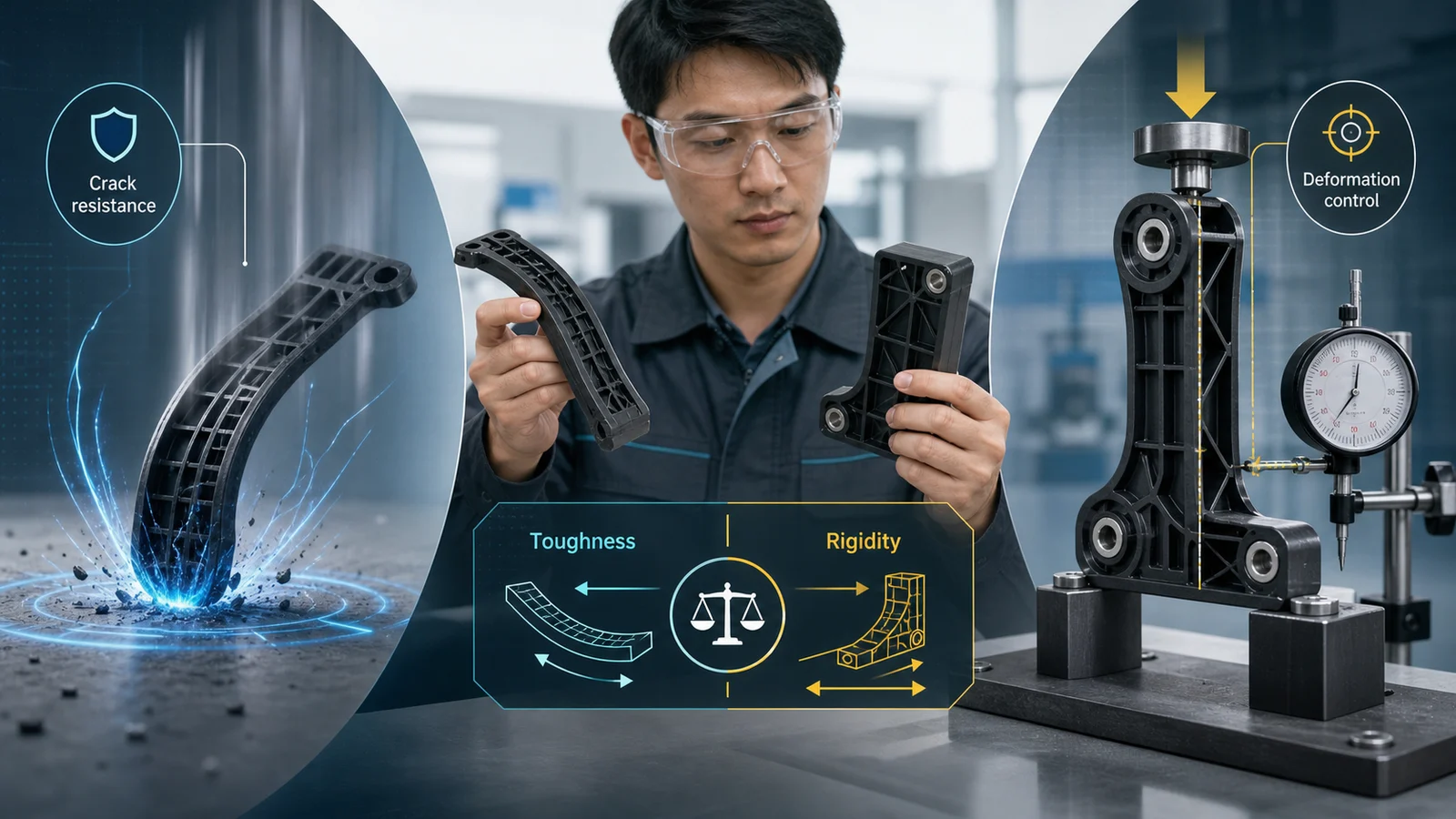 High-Toughness Plastics vs High-Rigidity Plastics: Selection Requirements and DEYU SolutionsHigh-toughness plastics focus on impact resistance, crack resistance, snap-fit reliability, drop performance and low-temperature toughness. High-rigidity plastics focus on stiffness, dimensional stability, load-bearing ability, deformation control and structural support.
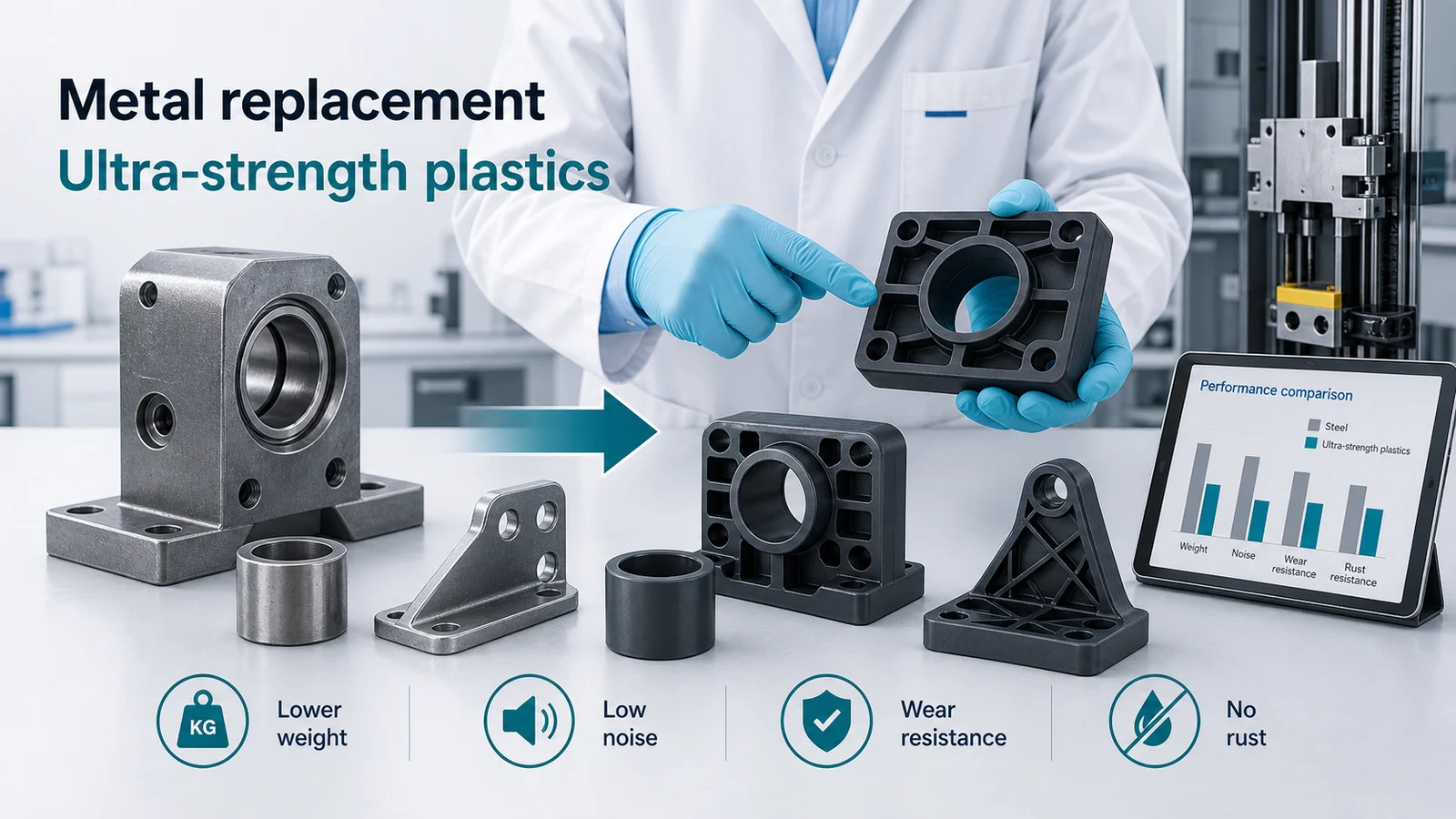 Metal-Replacement Plastics: Ultra-Strength Engineering Materials for Elevator, Bearing and Mechanical PartsMetal-replacement plastics can replace steel, aluminum and zinc alloy in selected mechanical parts by reducing weight, noise, lubrication, corrosion and machining while retaining strength, wear resistance and dimensional stability.
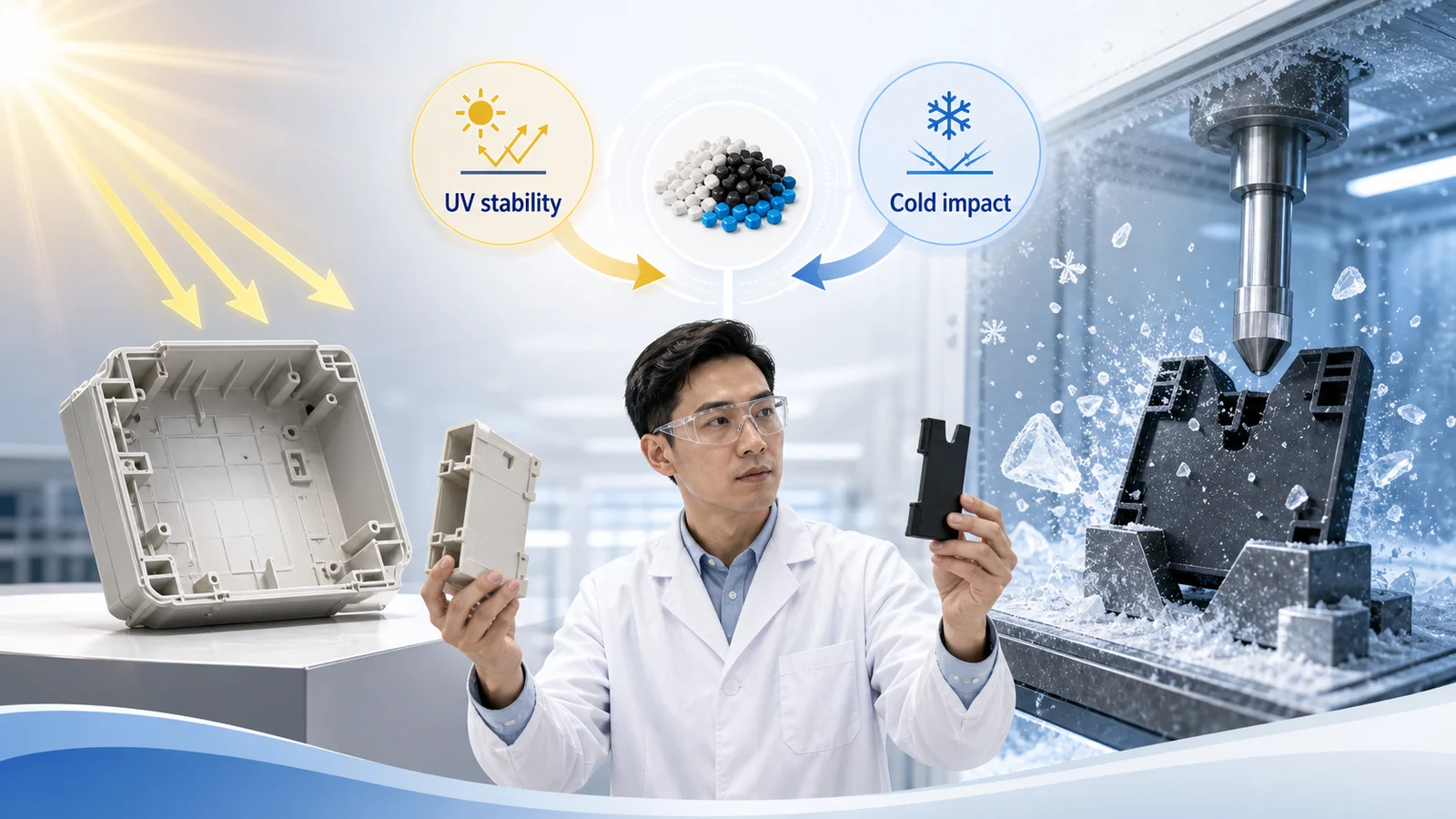 How Can Plastics Achieve Both UV Resistance and Low-Temperature Toughness?Technical routes for plastics that need both UV resistance and low-temperature toughness, covering resin selection, UV stabilization, impact modification, pigment balance, fillers and real-part validation.
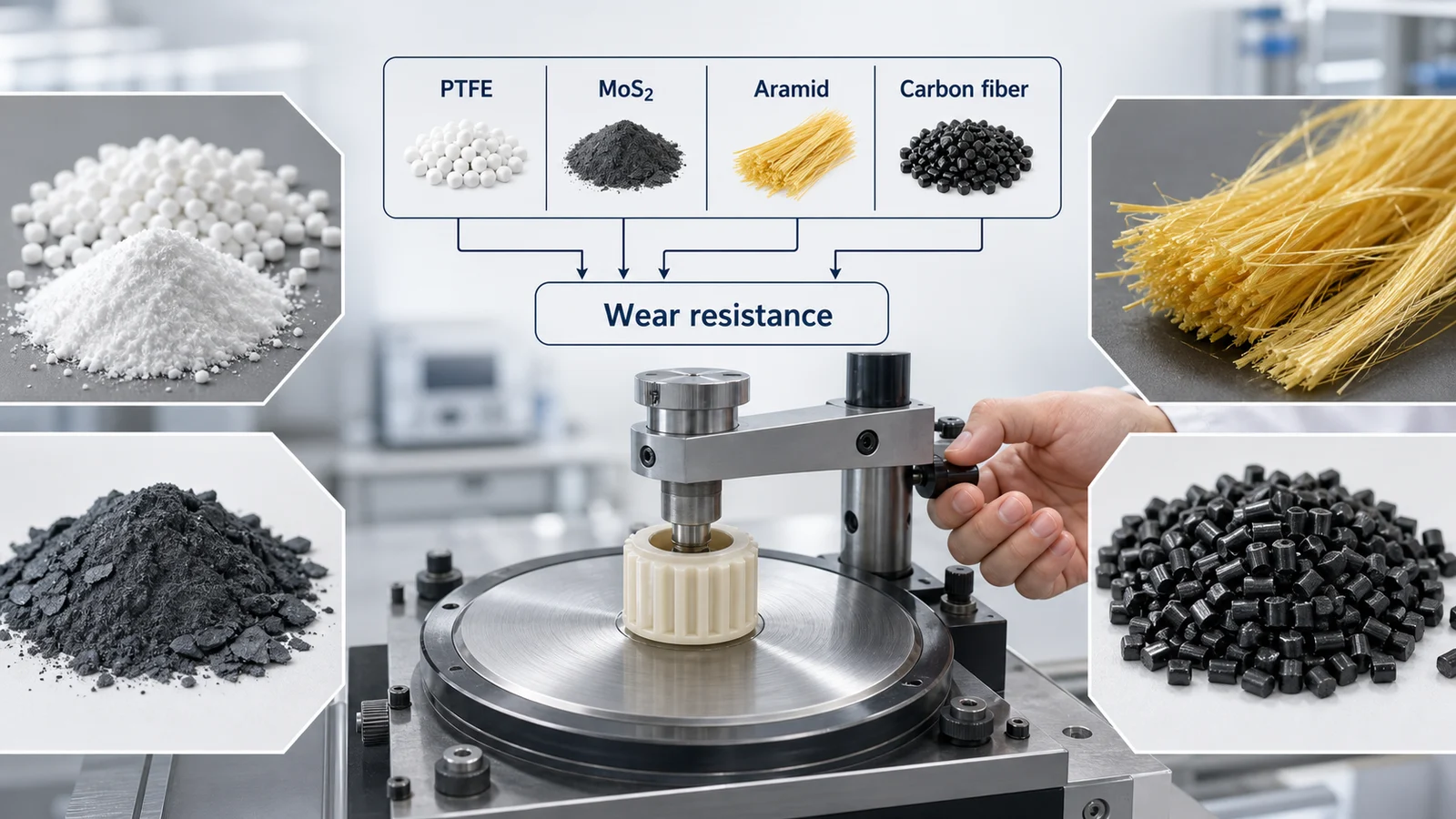 Wear-Resistant Plastic Materials: Additives, Mechanisms and DEYU SolutionsWear-resistant plastic material guide covering PTFE, MoS2, graphite, silicone, aramid fiber, carbon fiber, glass fiber, UHMWPE, lubricants and mineral fillers for gears, sliders, bushings and moving parts.
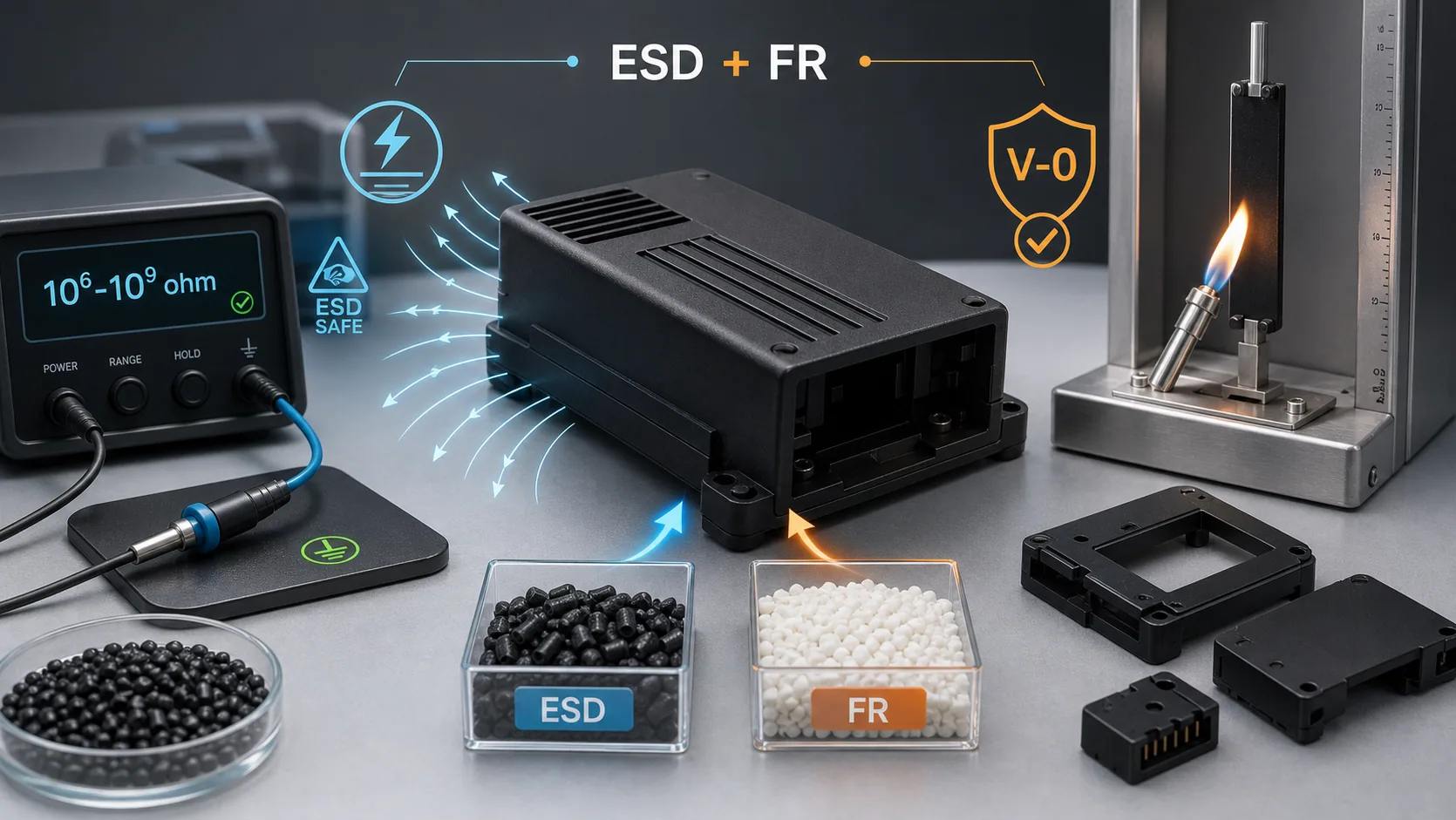 How Can Plastics Achieve Both Antistatic and Flame-Retardant Performance?Anti-static flame-retardant plastics combine electrical control systems with flame-retardant systems, but resistance, V-0 rating, toughness, color and processing must be balanced together.
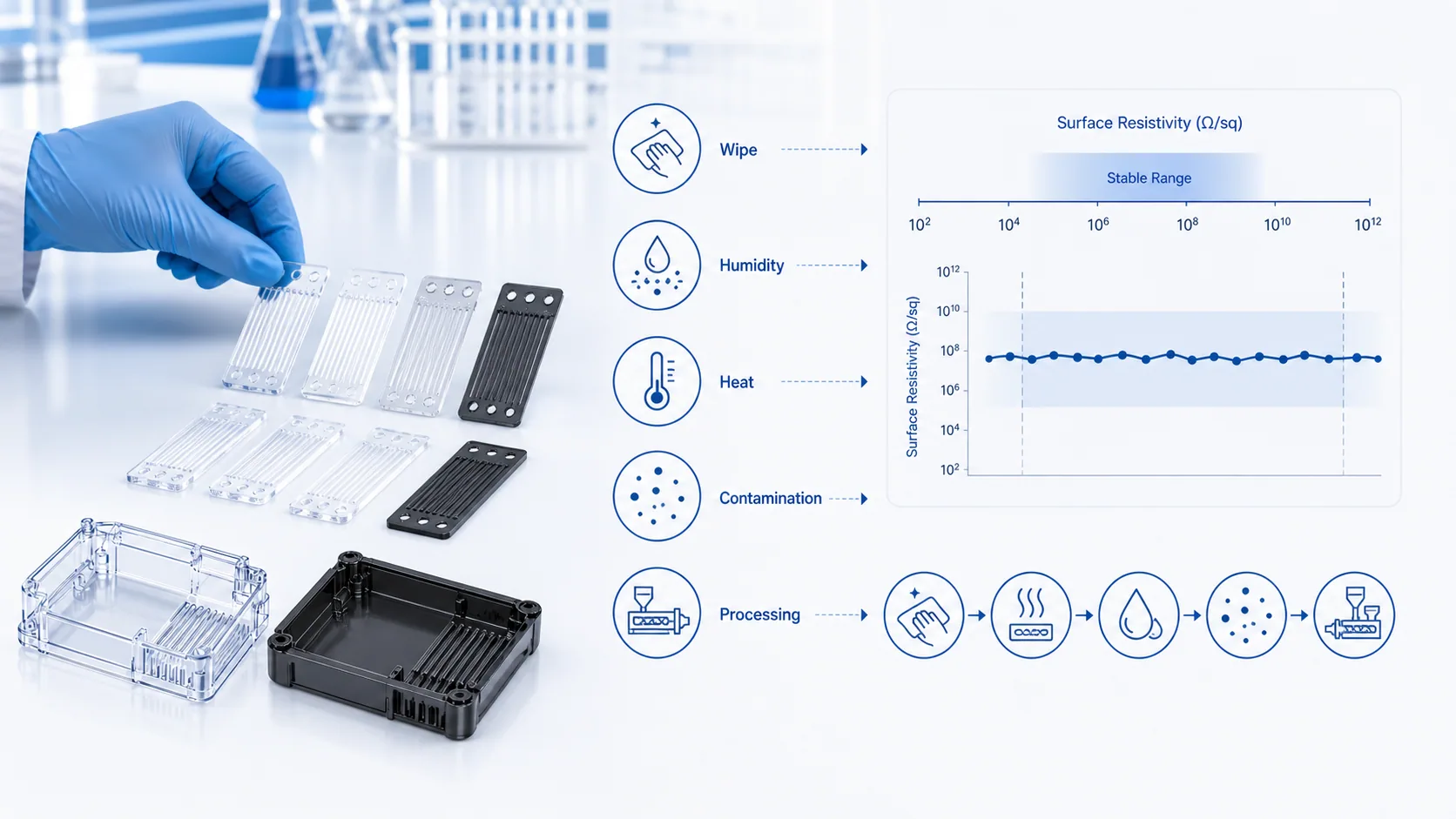 Long-Term Reliability Solution for Antistatic / ESD PlasticsFailure analysis and material-selection guidance for anti-static plastics exposed to wiping, humidity, thermal aging, exudation and processing damage.
 Conductive and Antistatic / ESD Plastics Solution for Automotive ApplicationsAutomotive conductive and anti-static plastic solutions for fuel systems, electronic housings, high-voltage connectors, busbar brackets and battery packs.
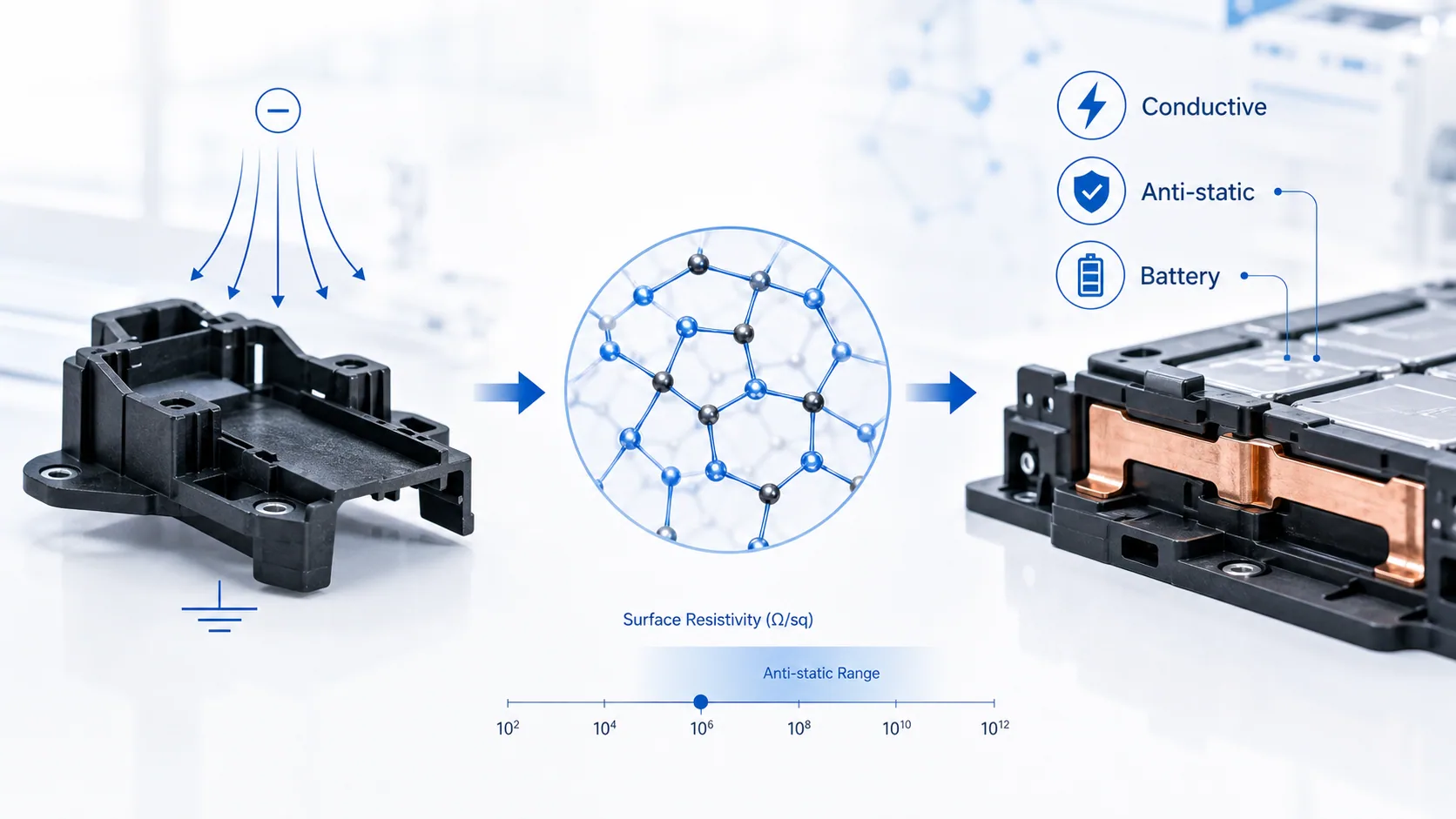 Conductive and Antistatic / ESD Plastics Solution for Battery SystemsConductive and anti-static plastic material routes for flow-battery bipolar plates, EV battery frames, high-voltage connectors and structural conductive components.
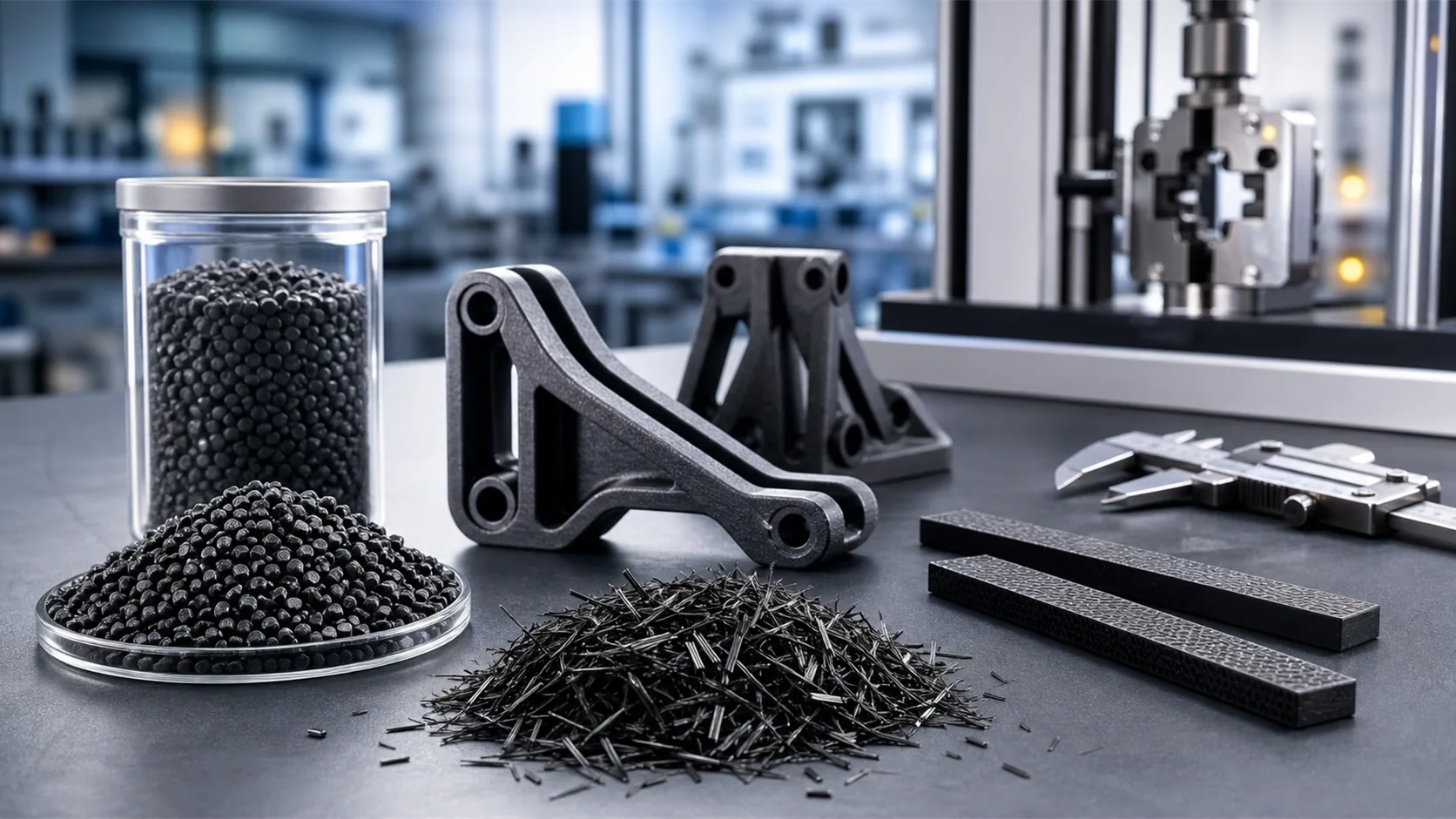 What Happens When Carbon Fiber Is Added to Plastic Products?Adding carbon fiber to plastic can improve conductivity, stiffness, hardness, dimensional stability and heat resistance, but excessive carbon fiber may reduce impact strength, flowability and surface quality.
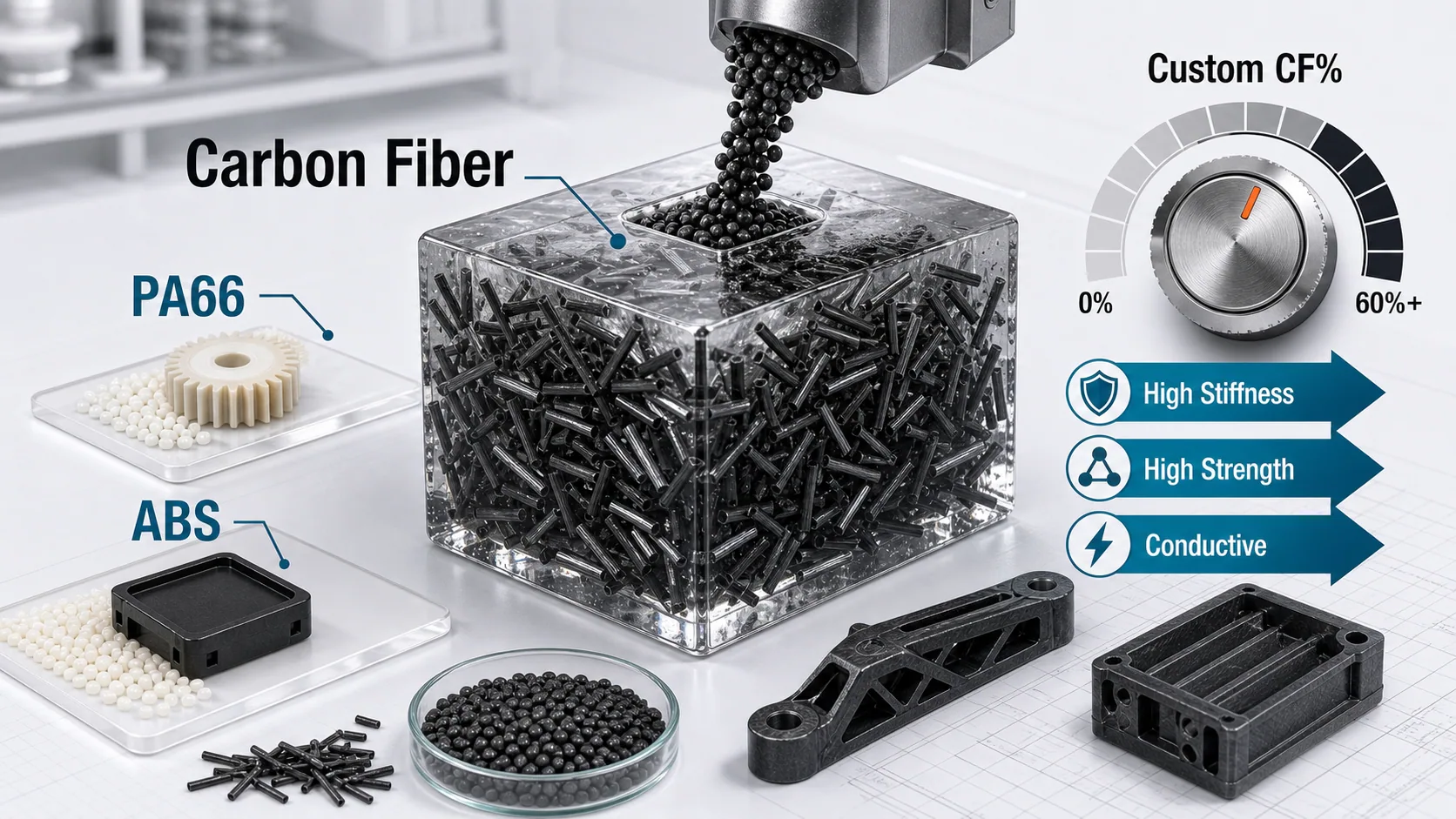 Carbon Fiber Reinforced Plastics: Advantages, Custom Formulation Capability and DEYU SolutionsCarbon fiber reinforced plastics combine high strength, high stiffness, low weight, dimensional stability, electrical conductivity and improved heat resistance. DEYU plastics provides customized carbon fiber reinforced ABS and PA66 compounds.
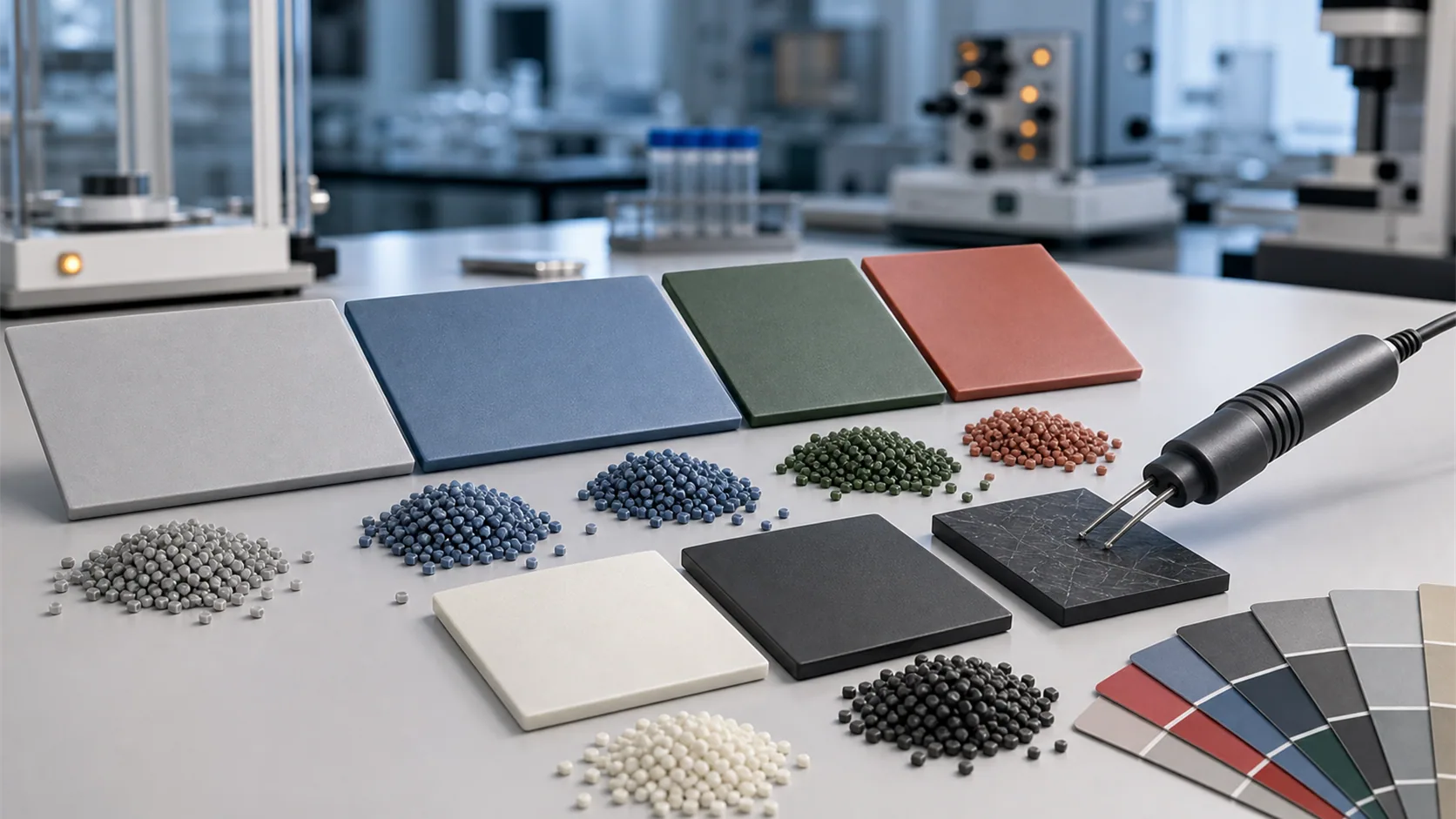 How Can Conductive Plastics Be Made in Color? DEYU plastics Breakthrough in Colored Conductive CompoundsColored conductive plastics require efficient conductive networks, stable dispersion, resin compatibility, pigment matching and resistance control. DEYU plastics develops non-black conductive and anti-static compounds for PP, PA, ABS, PC, PC/ABS, PMMA and other systems.
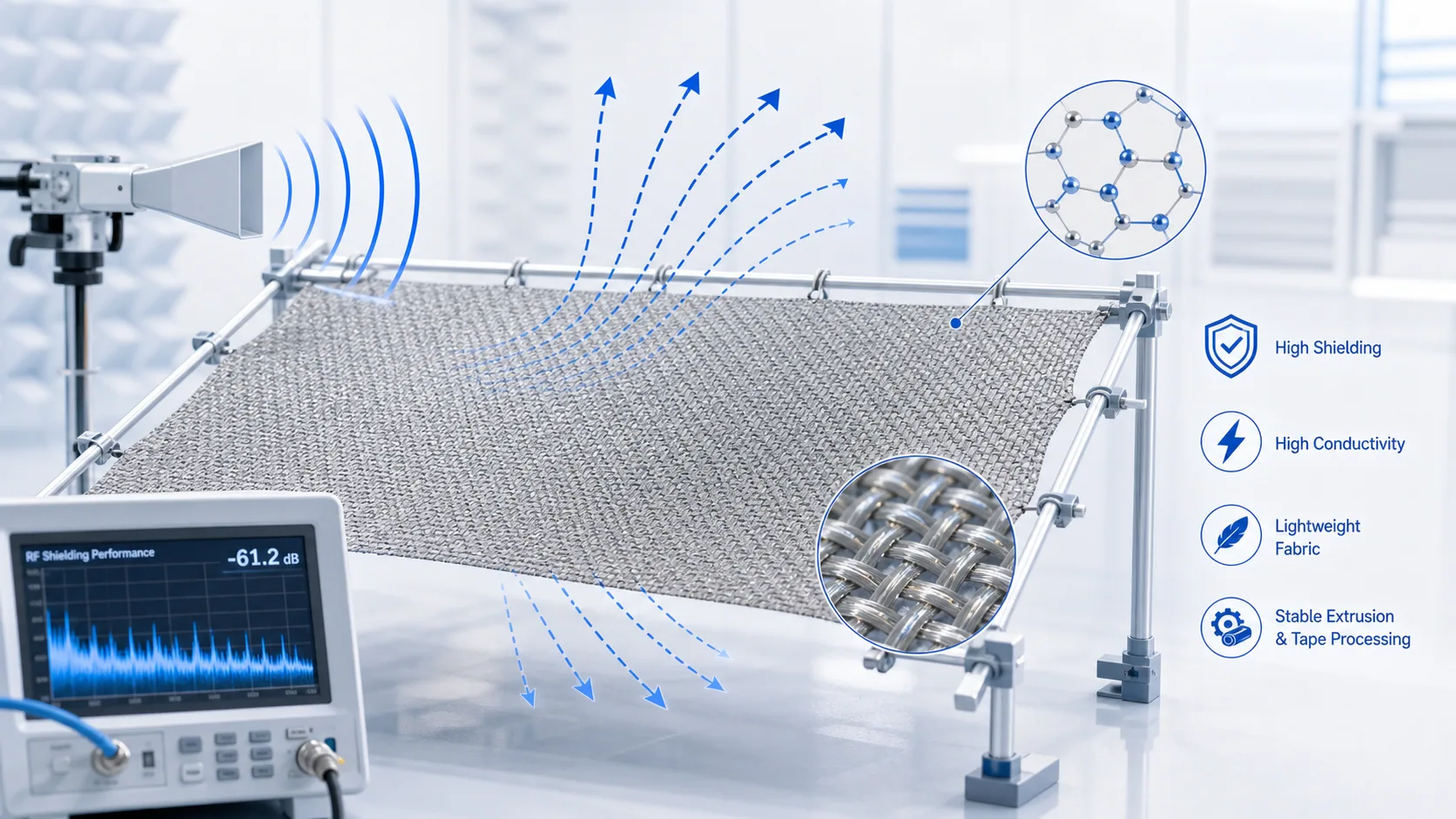 Conductive PP (Polypropylene) Solution for Shielding Fabric ProductionConductive polypropylene selection and process guidance for shielding nonwovens, conductive tapes, cable shielding layers and 5G protection materials.
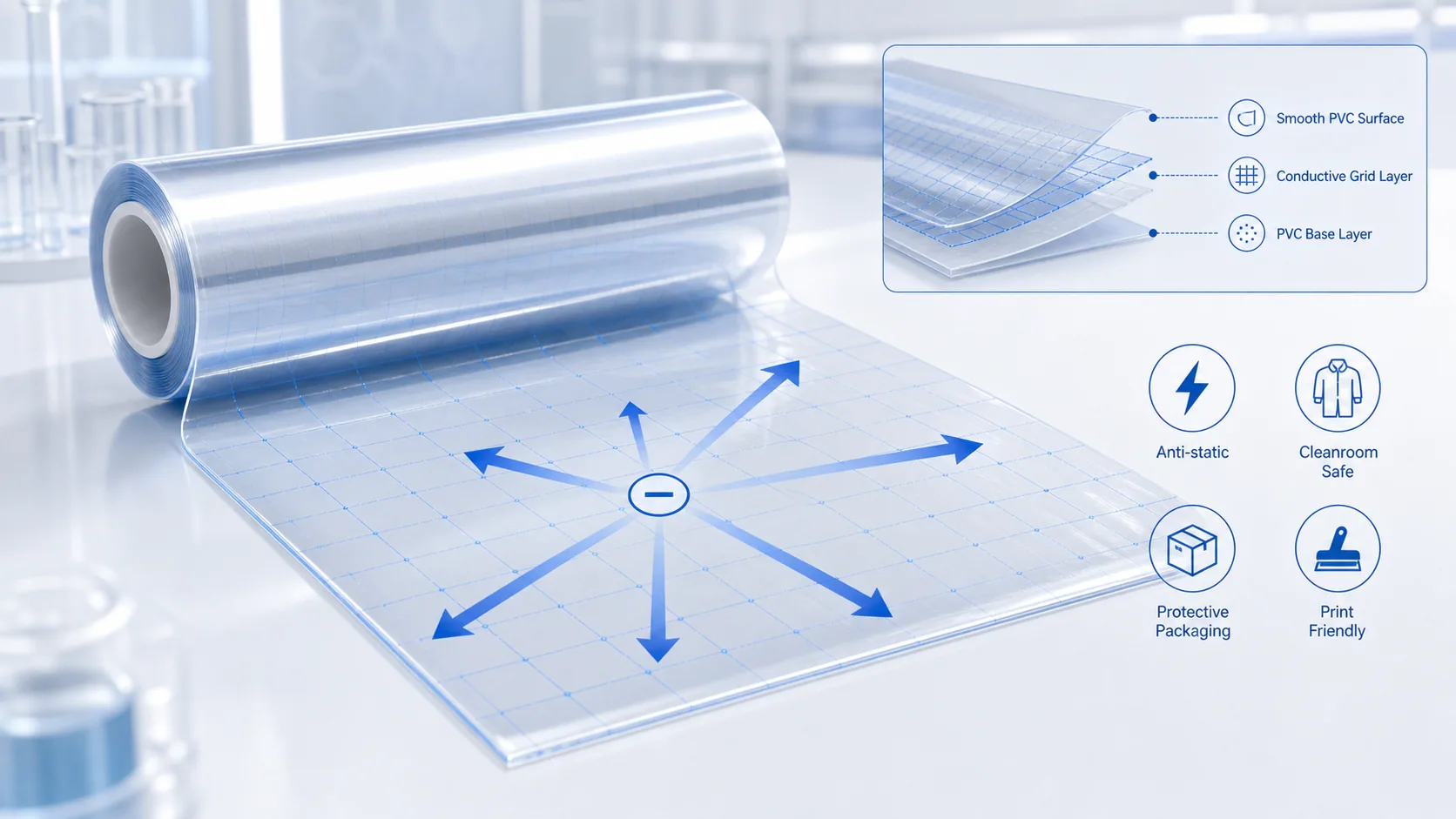 Conductive PVC Grading and Thin-Film Processing SolutionConductive PVC material routes from anti-static compounds to high-conductivity thin films for hoses, sheaths, flooring and flow-battery plates.
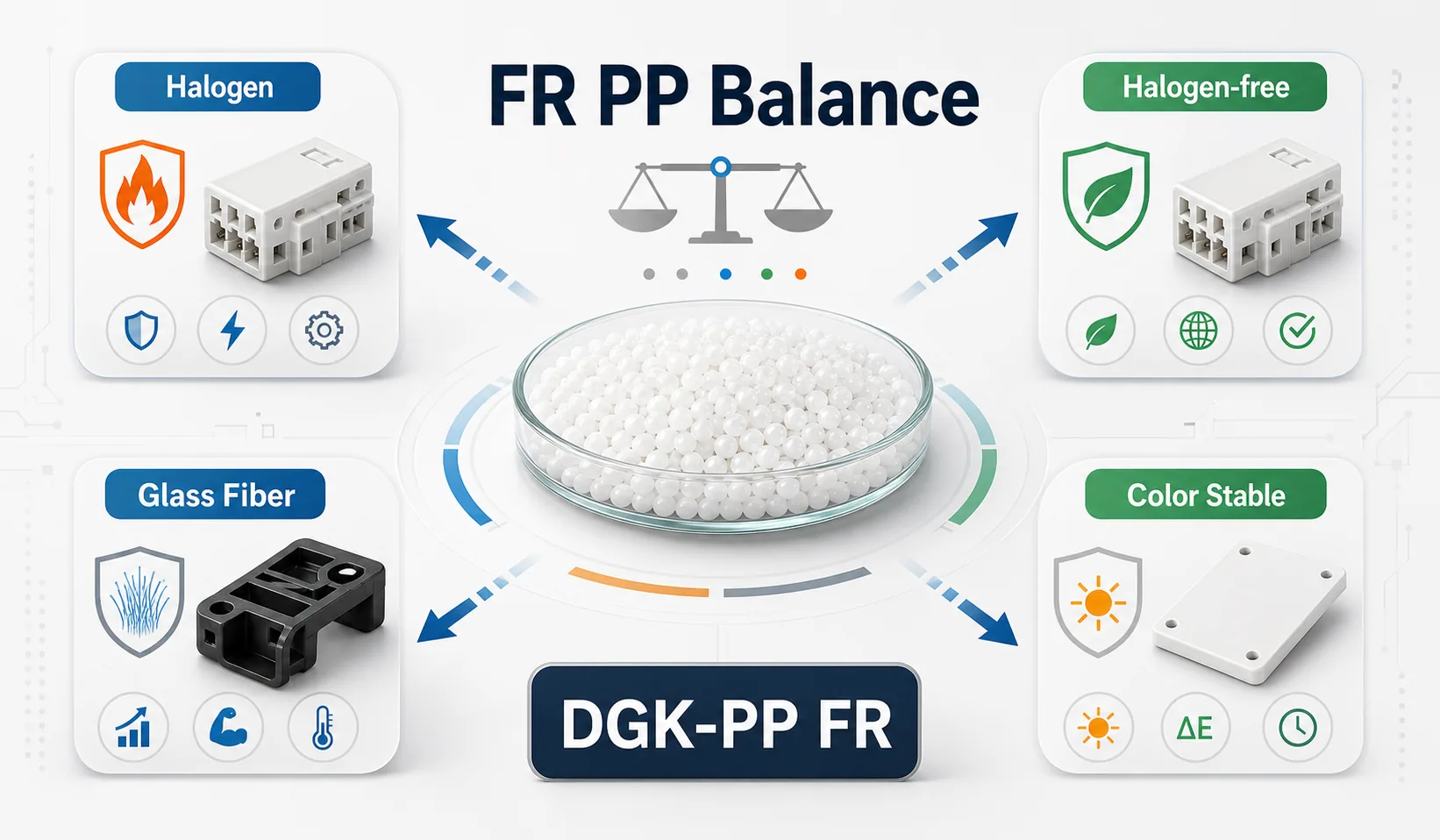 Flame-Retardant PP Selection Logic: Halogen, Halogen-Free, Glass Fiber and Color StabilityFlame-retardant PP selection guide for balancing halogen systems, halogen-free systems, glass fiber reinforcement, white color stability, V-0 thickness, glow wire testing, impact strength and production cost.
 How to Choose Flame-Retardant PP? Selection Logic and DEYU plastics SolutionsFlame-retardant PP selection guide covering V-0 thickness, halogen-free requirements, glow wire testing, color stability, impact strength, blooming risk and production validation.
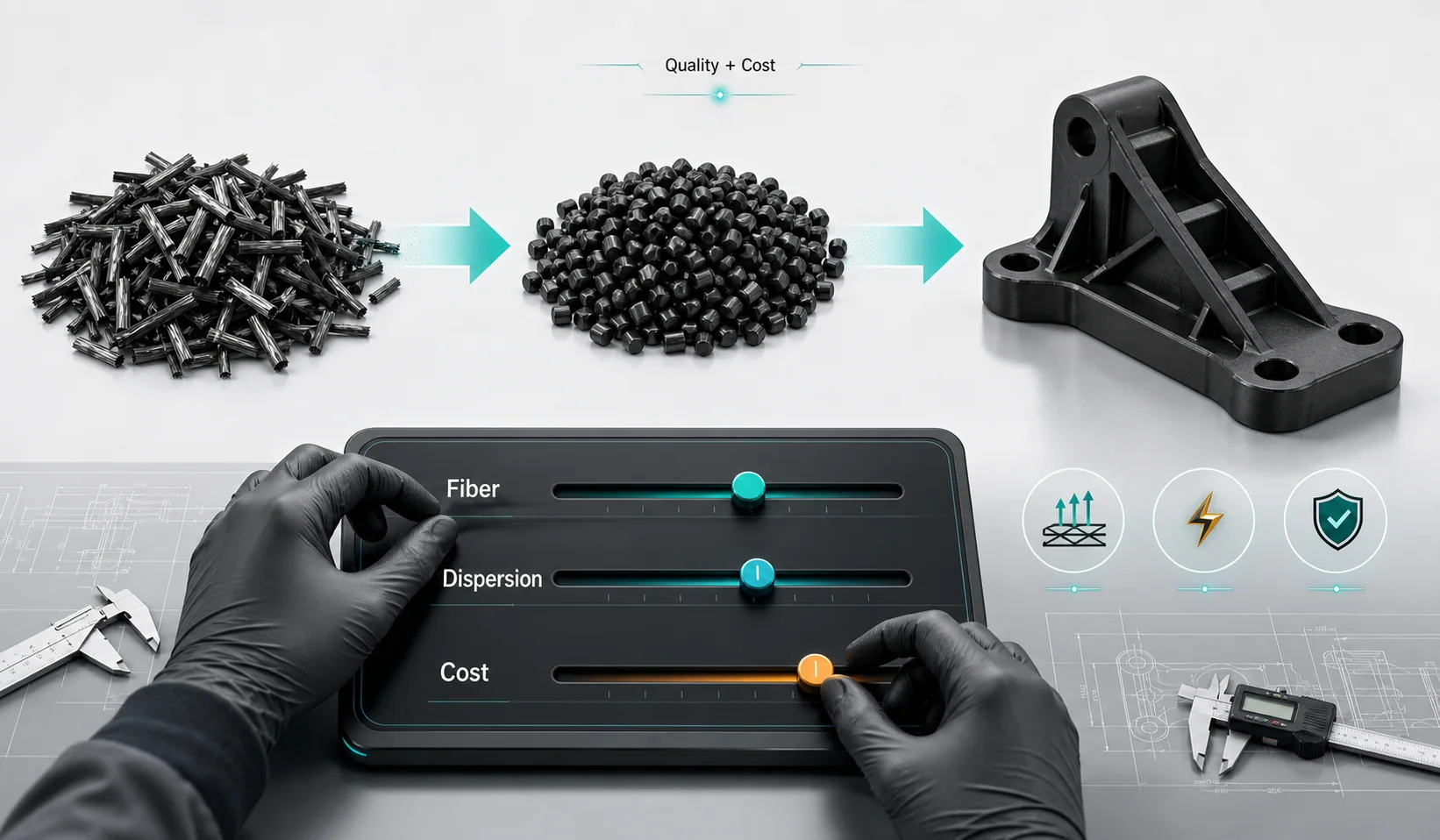 How to Improve Carbon Fiber Quality and Reduce Cost? Technical Routes and DEYU plastics SolutionsImproving carbon fiber reinforced compound quality while reducing cost requires control of fiber grade, surface treatment, sizing compatibility, fiber length, dispersion, base resin, carbon fiber content, processing and final part validation.
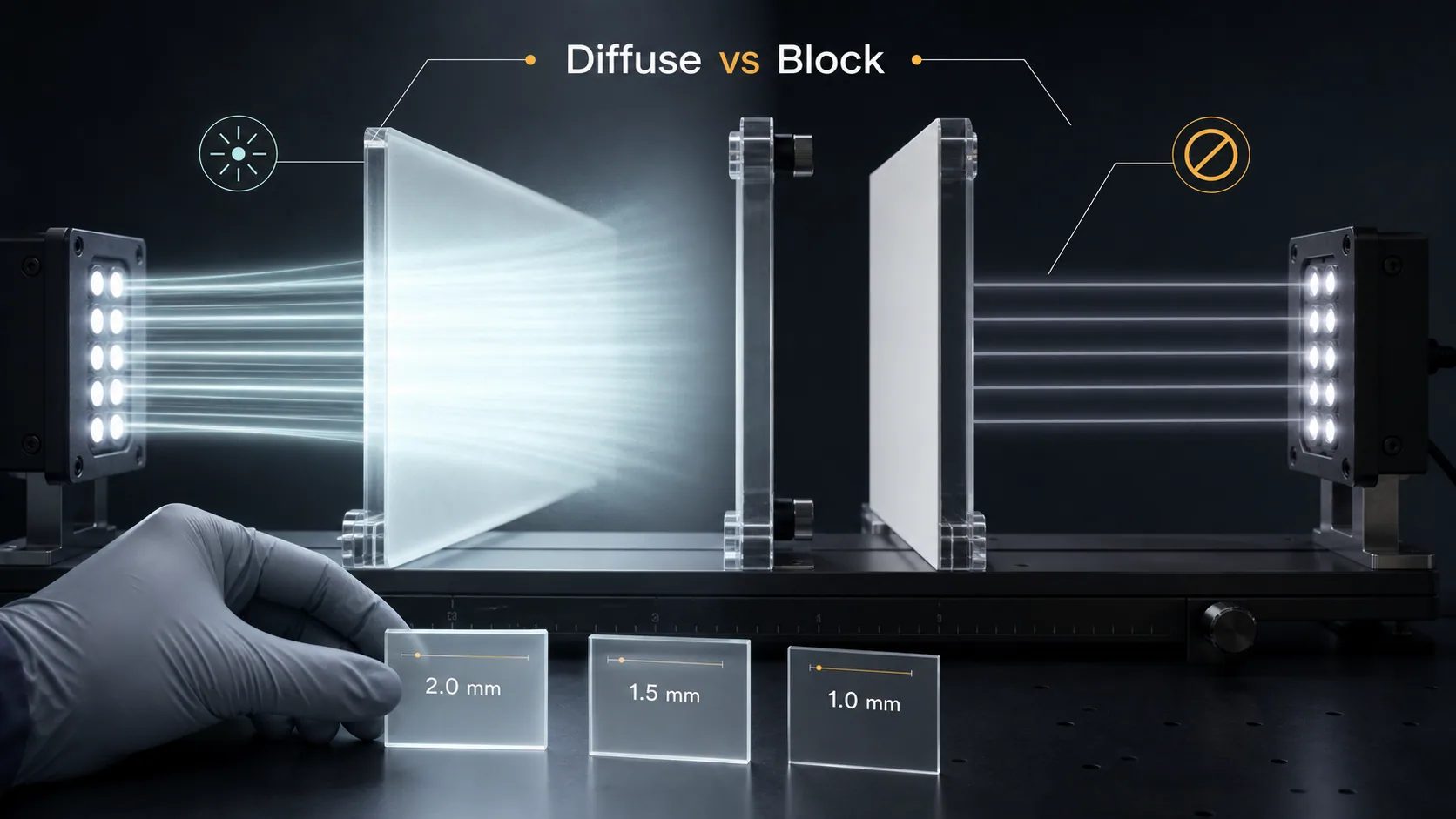 Light-Blocking PC vs Light-Diffusing PC: Definitions, Testing Methods and Material Selection LogicLight-diffusing PC transmits and scatters LED light for uniform illumination, while light-blocking PC prevents leakage at defined wall thicknesses such as 2.0 mm, 1.5 mm and 1.0 mm.
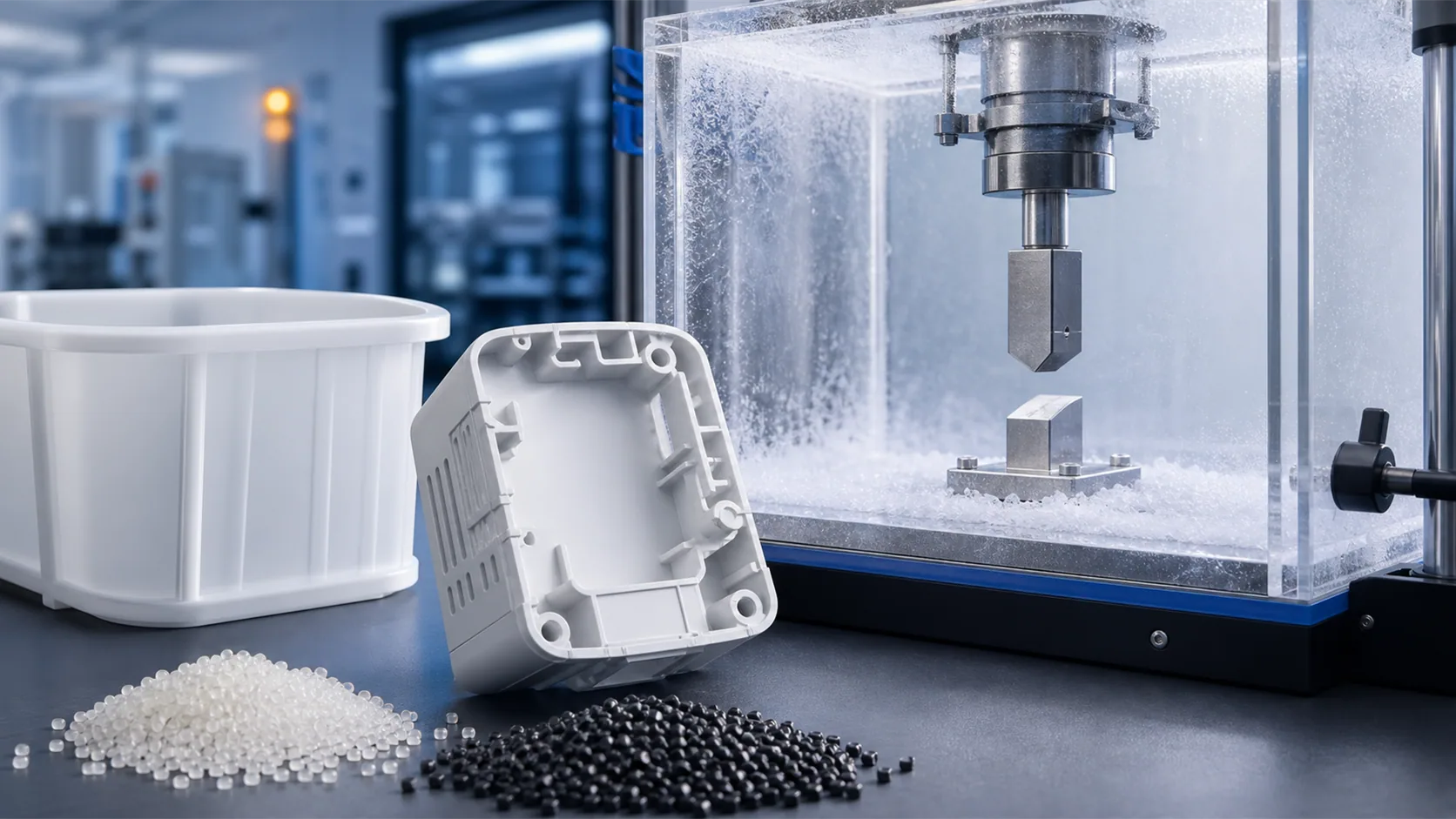 How to Develop Low-Temperature Resistant Plastics? Technical Routes Using ABS and PP as ExamplesLow-temperature resistant plastics require balanced formulation design across resin selection, impact modifiers, rubber phase control, crystallization, filler balance, processing stability and real part validation.
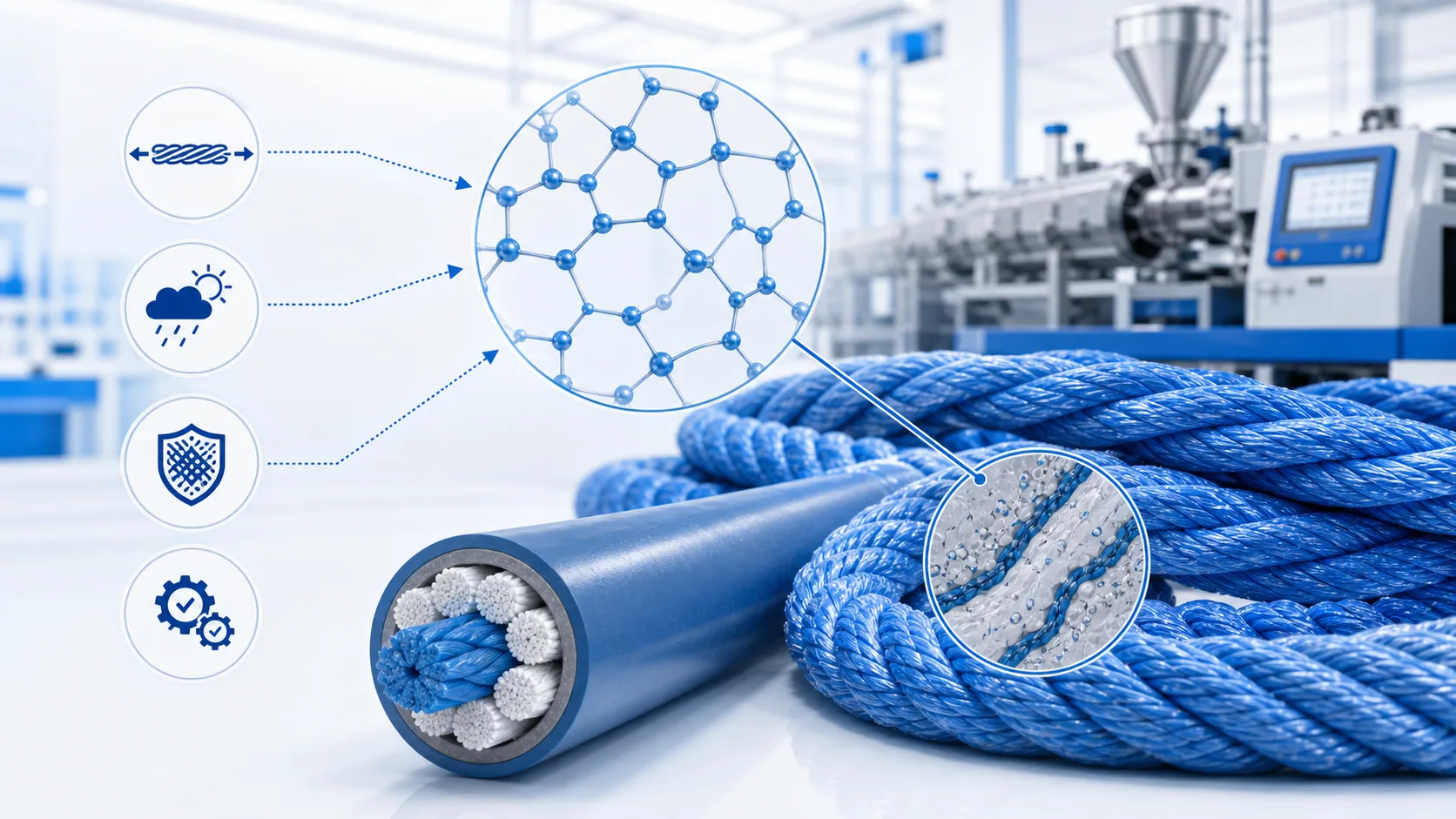 Modified HDPE Solution for Steel Wire Rope and Cable ApplicationsModified HDPE material routes for coated steel wire rope, marine cables, fatigue-resistant cable compounds and conductive sensing applications.
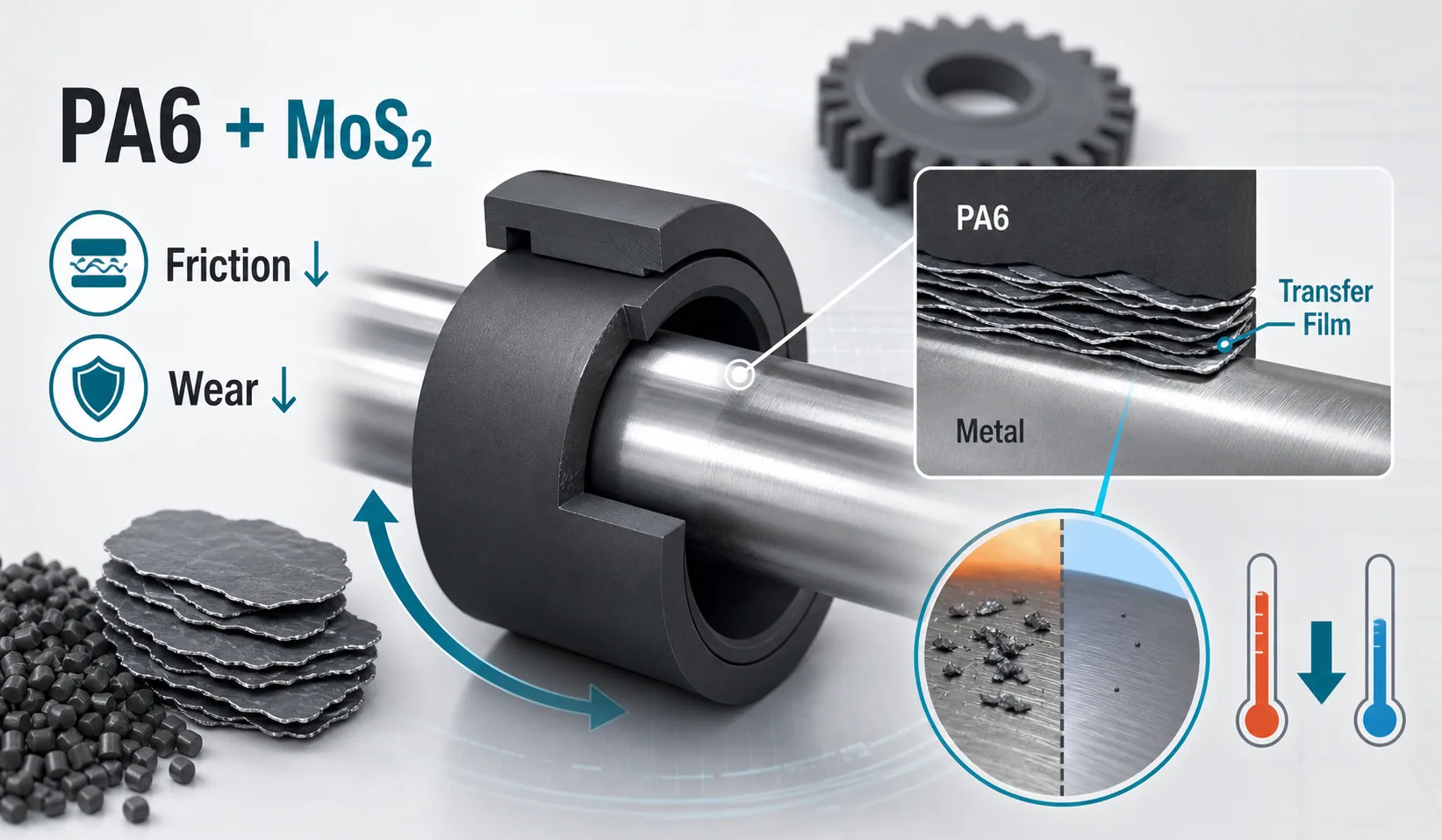 Why Does Molybdenum Disulfide Improve Wear Resistance in PA6 Composites?MoS2 improves PA6 wear resistance through solid lubrication, lower friction coefficient, transfer film formation, reduced friction heat and better dry sliding stability for gears, bushings, sliders, guide rails and moving parts.
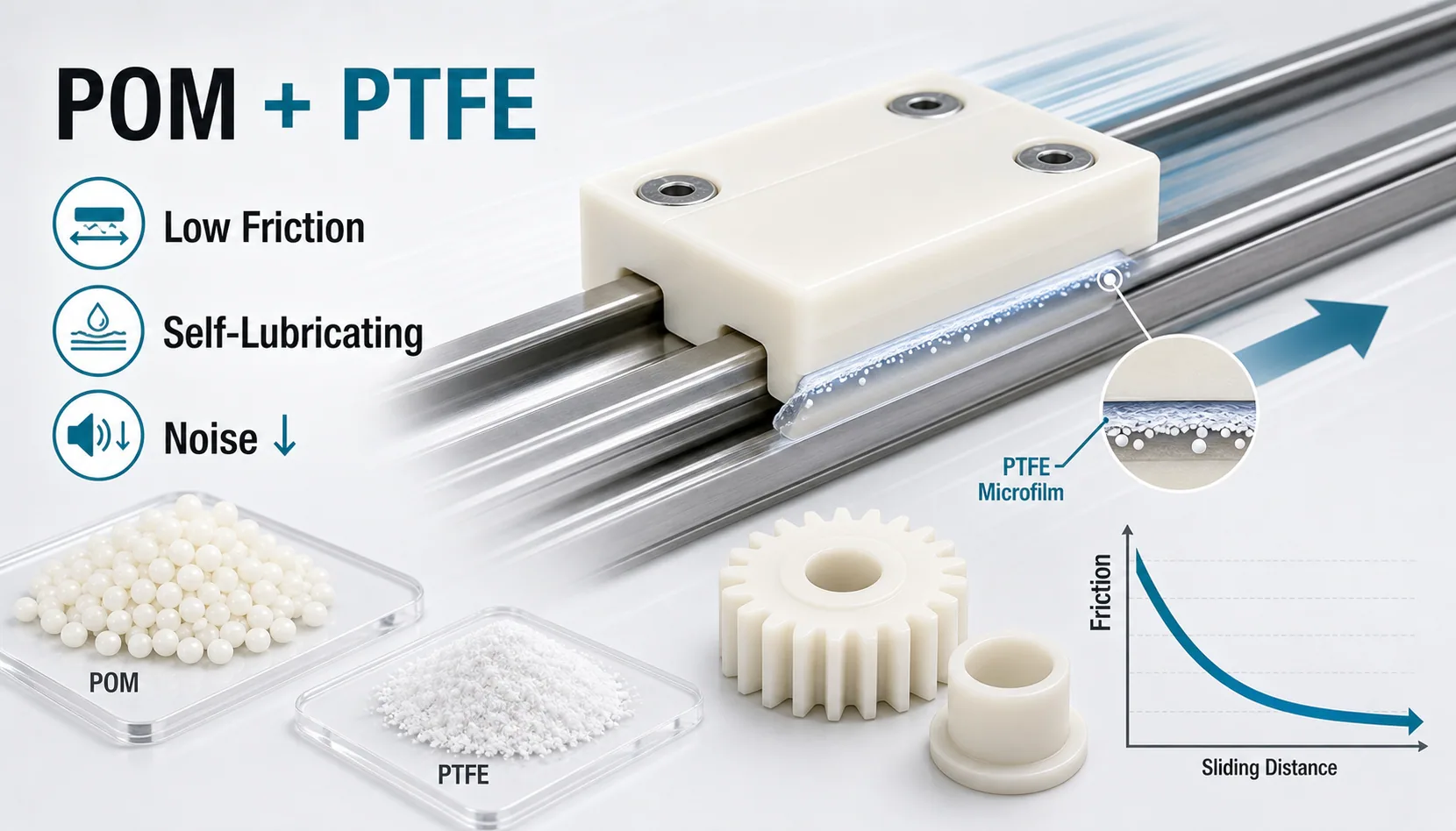 Why Is POM Compounded with PTFE Suitable for Wear-Resistant Products?POM compounded with PTFE combines dimensional stability, rigidity and processability with low friction, self-lubrication and anti-stick-slip behavior for gears, sliders, bushings, rollers and guide rails.
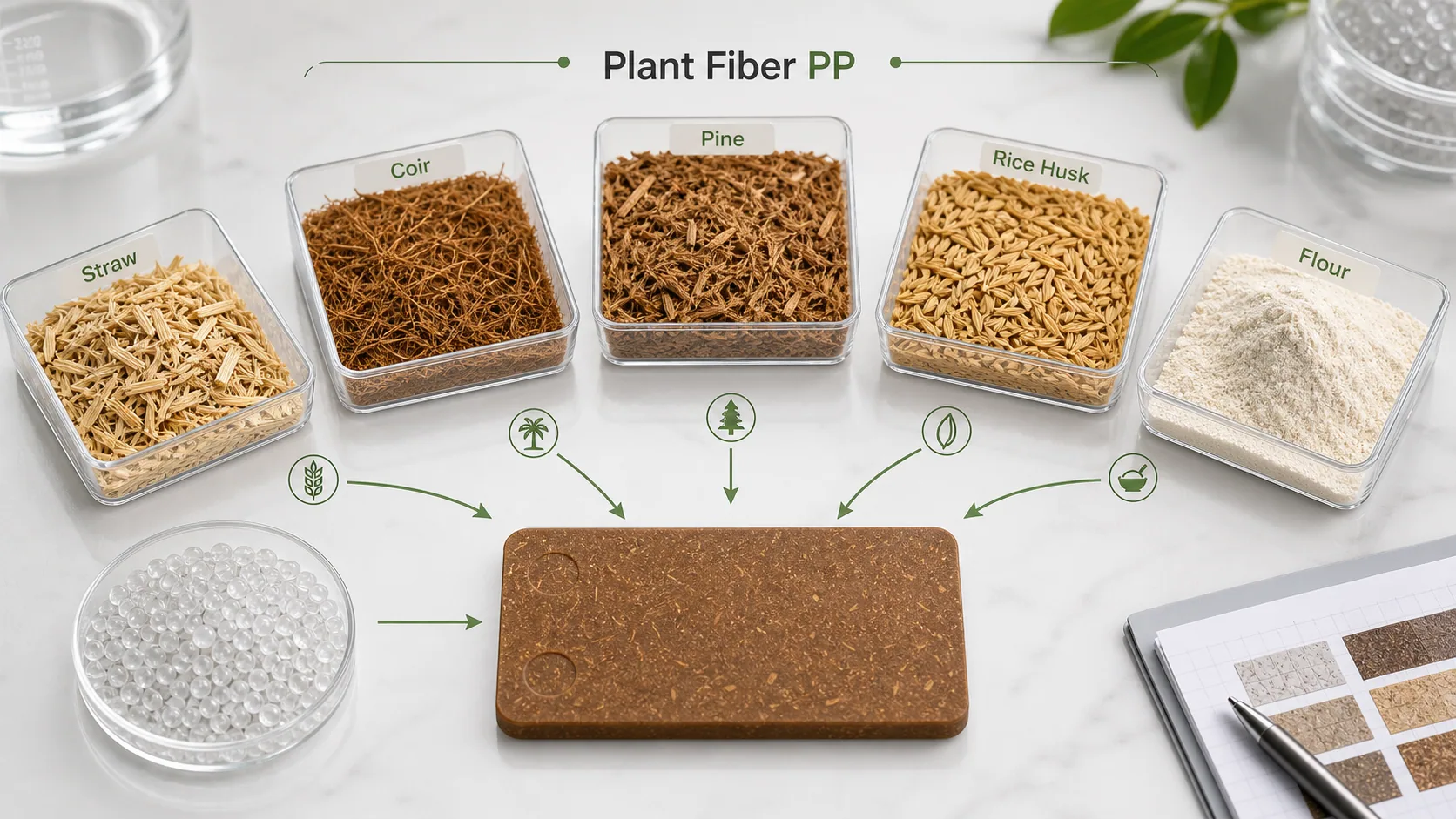 PP Natural Fiber Composites: Red Pine, Coconut Coir, Wheat Straw, Rice Husk, and Wheat FlourPP natural fiber composites combine polypropylene with red pine fiber, coconut coir, wheat straw, rice husk, wheat flour and other plant fillers to create natural texture, higher stiffness and eco-style molded products.
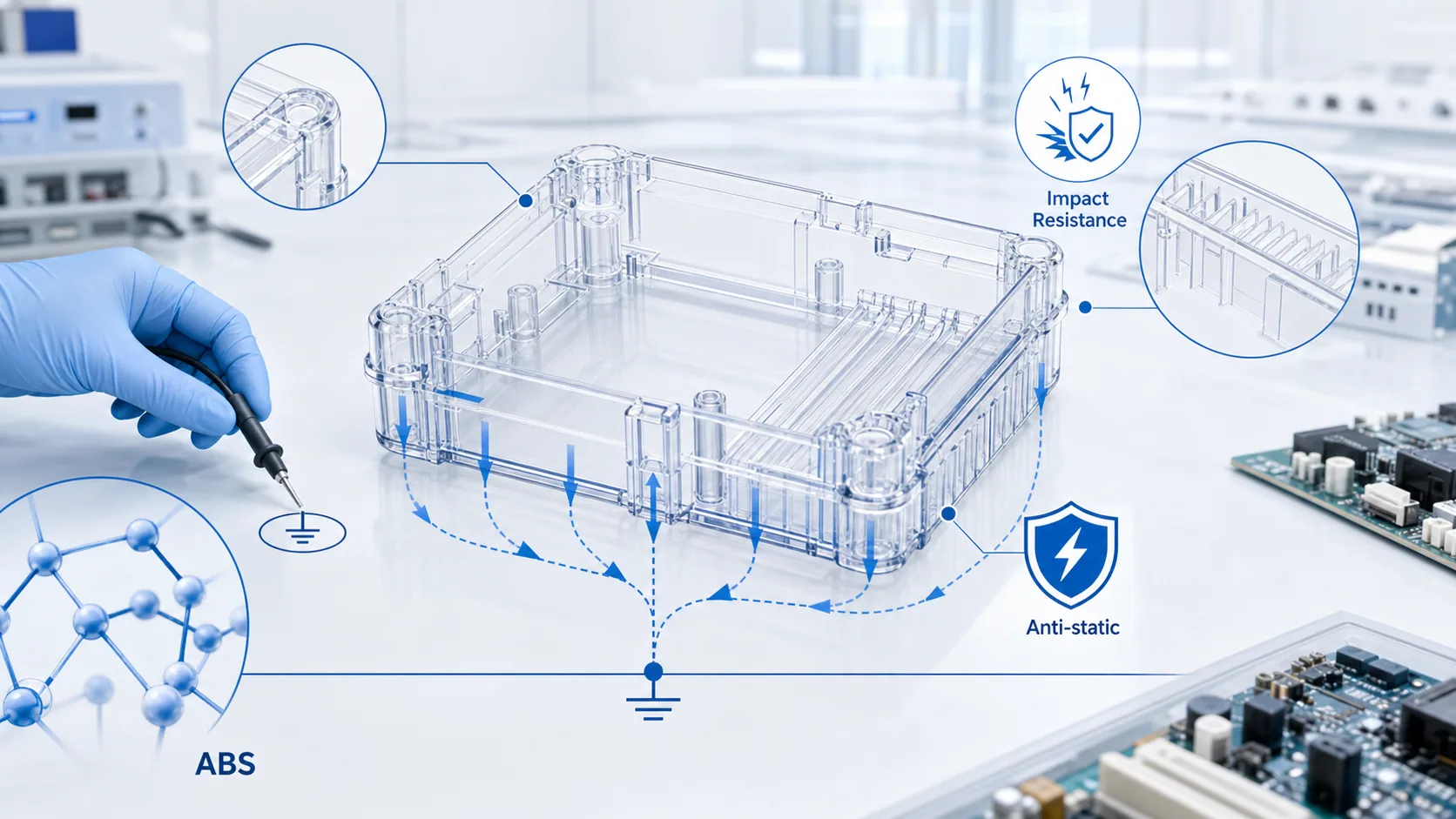 Transparent Antistatic / ESD ABS Solution for Multi-Scenario ComponentsTransparent anti-static ABS material guidance for electronics, semiconductor packaging, automotive electronics, medical equipment and thin-wall molded parts.
 Transparent Antistatic / ESD PMMA Solution for Visual and Clean ApplicationsA transparent anti-static PMMA solution for covers, windows, medical instruments and laboratory parts requiring visibility, cleanliness and stable resistance.
 How to Choose UV-Resistant ABS? 10 Application Scenarios and DEYU Plastic SolutionsUV-resistant ABS selection guide covering color stability, yellowing, outdoor exposure, impact retention, gloss, flame retardancy, painting and structural validation.
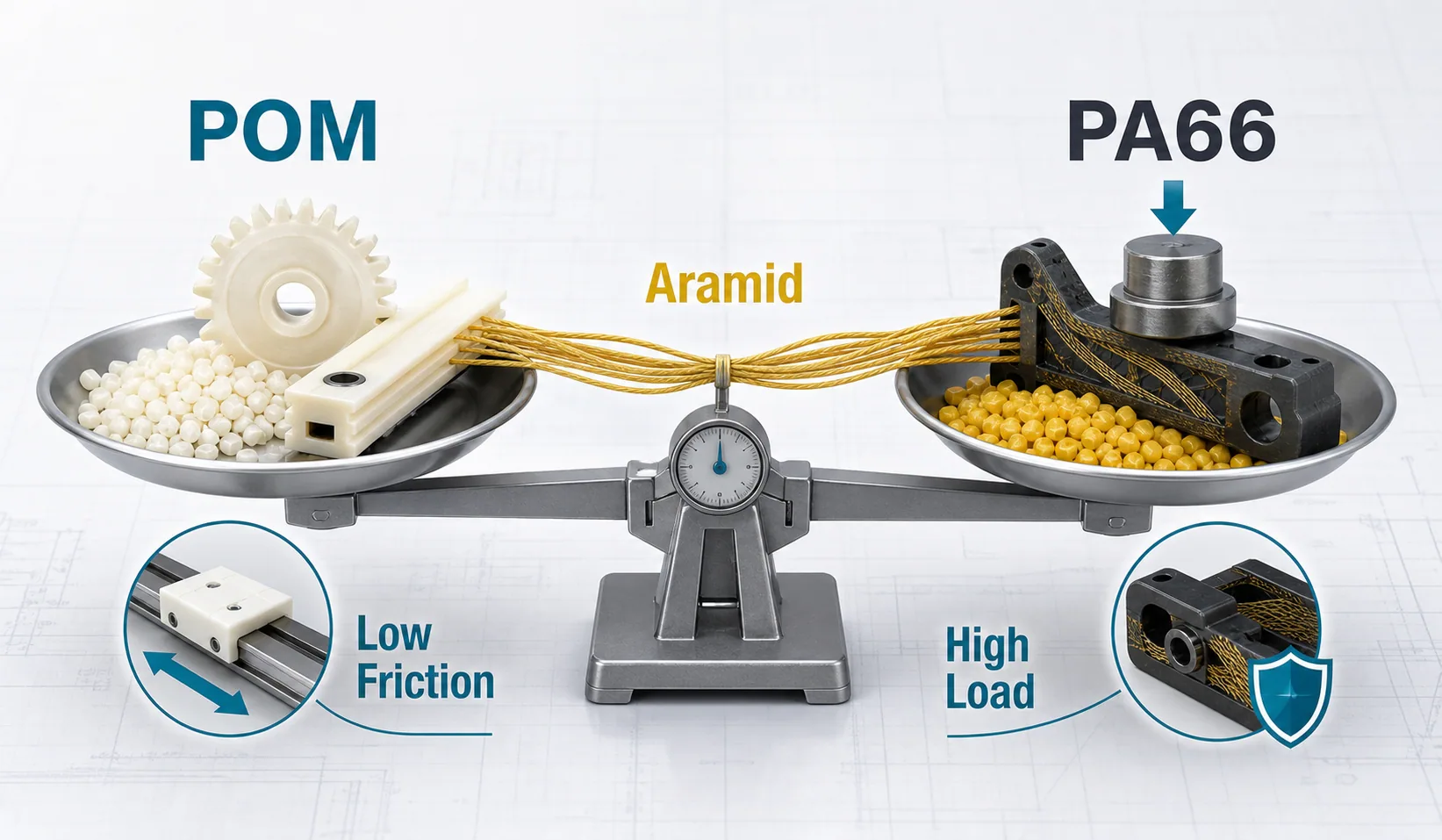 Wear-Resistant POM vs PA66: Differences, Cost Logic and DEYU Aramid SolutionsCompare wear-resistant POM and wear-resistant PA66 for gears, bushings, sliders, rollers and moving mechanical parts. Learn when to choose POM aramid or PA66 aramid solutions from DEYU plastics.
Contact
Browse DEYU material solutions by technical route, application case and selection guide
We provide professional customization services. If you have material questions, selection difficulties or performance requirements, contact us through any method on the right.
- Email: market@deyuplastics.com
- WeChat: mkx13905842100
- WhatsApp: +86 13905842100+86 15325909695
- Telegram: @deyuplast1